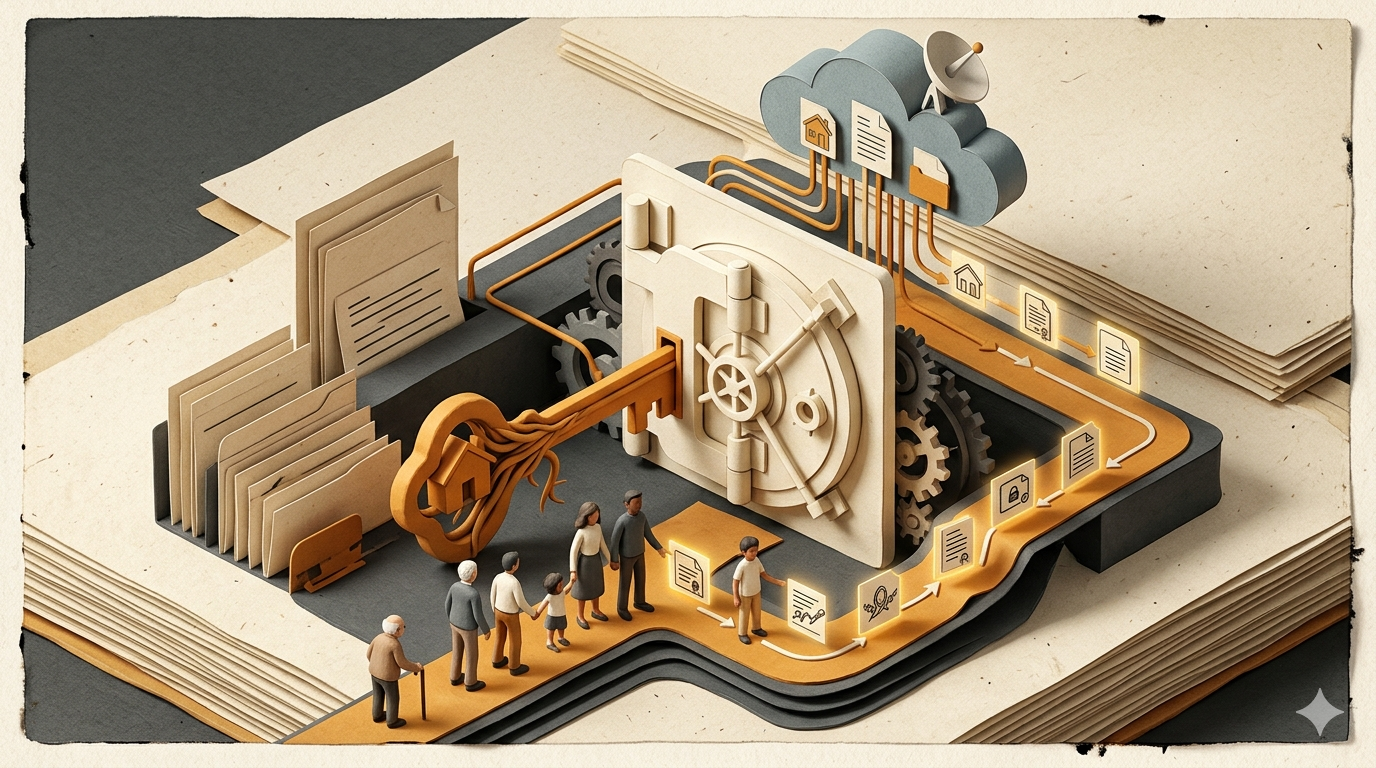
Modern estate planning has shifted from physical filing cabinets to encrypted hardware and cloud-based repositories, yet many individuals remain unprepared for the technical hurdles their heirs will face. Data from digital management studies suggests that a vast majority of internet users lack a formal succession plan for their accounts, which can lead to permanent data loss for families. For software developers, researchers, and tech-focused investors, this gap creates a physical and cryptographic barrier that traditional legal executors cannot bypass without specific technical instructions. This digital inheritance guide for hardware keys and intellectual property provides a comprehensive framework to bridge the gap between high-security encryption and estate succession, ensuring that a lifetime of work remains accessible to the next generation.
By Cipherwill Editorial Team, Digital Legacy Research Desk Reviewed by Cipherwill Review Board, Trust & Security Review Team Last reviewed: April 2026 Editorial contributor: Myra Senapati Review contributor: Reyansh Mehta
Legal and Accuracy Caution: The laws governing digital assets, AI likeness, and posthumous privacy are evolving rapidly and vary significantly by jurisdiction. Platform terms of service and corporate policies are subject to change without notice. This guide provides general information and should not be construed as specific legal or financial advice. Always consult with a qualified professional in your specific region regarding digital estate planning.
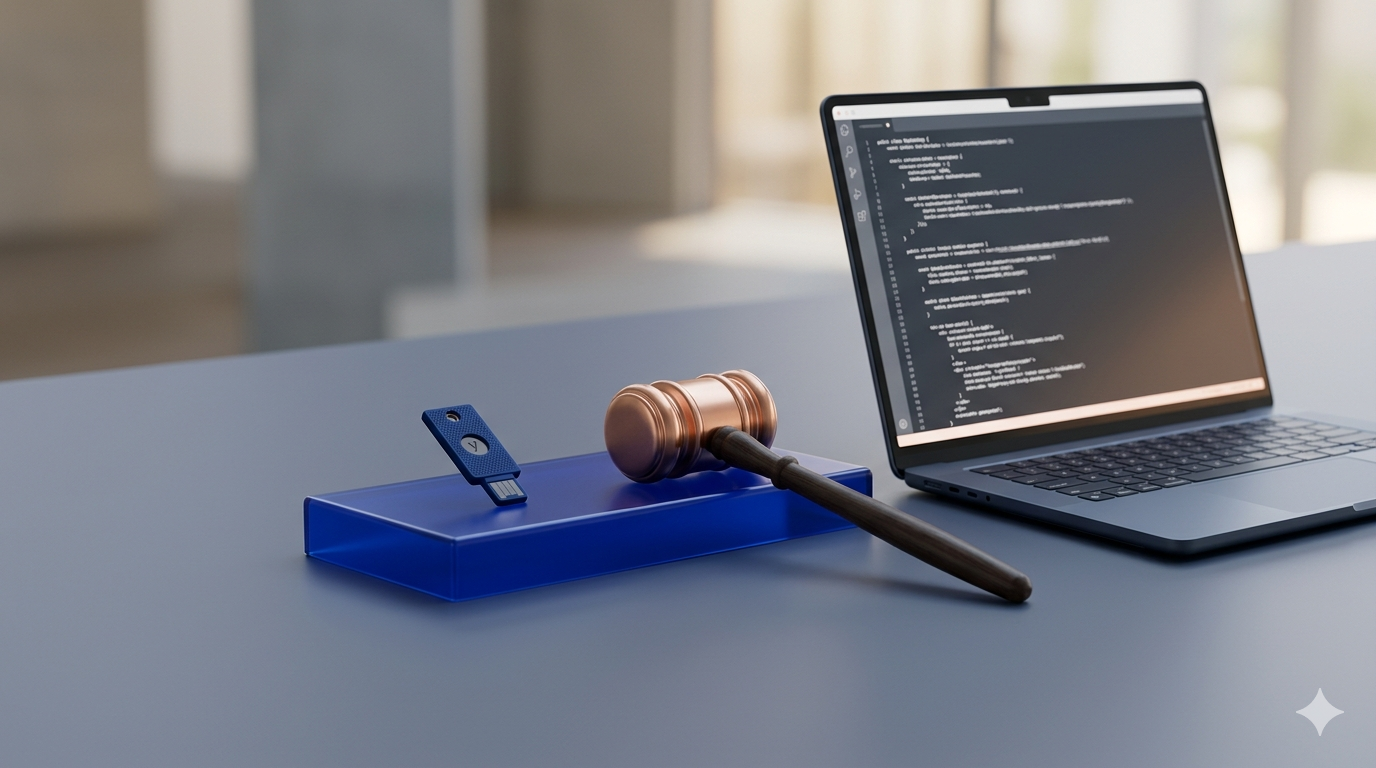
Digital inheritance guide for hardware keys and intellectual property
Hardware security keys, such as YubiKeys or Google Titan keys, represent a high standard for account protection by requiring a physical "touch" or proximity to authorize a login. While this technology effectively thwarts remote hacking attempts, it creates a significant hurdle for estate executors. Unlike a password that can be recorded on paper, a hardware key is a physical object that often requires a specific PIN and knowledge of which accounts it secures.
The Physical Barrier to Digital Wealth: Hardware Security Keys
Most hardware keys are built on a "zero-trust" architecture. If a user loses the physical device and has not configured a backup, the associated account may become permanently inaccessible. For an executor, discovering an unlabeled USB device in a desk drawer without knowing its purpose is a common point of failure. Research indicates that federal and state laws may prevent fiduciaries from accessing digital property even with physical possession of a device due to strict anti-hacking statutes, as detailed by the University of Miami.
If a hardware key is the primary gatekeeper for a master email account or a password manager, it becomes a single point of failure for the entire estate. Without it, an executor may be unable to reset passwords for financial institutions, utility providers, or tax filing services. Multi-factor authentication (MFA) is designed to verify identity, but it cannot distinguish between a malicious intruder and a grieving family member. If an executor attempts to bypass a hardware key prompt and fails repeatedly, security protocols on many platforms may permanently lock or "brick" the account.
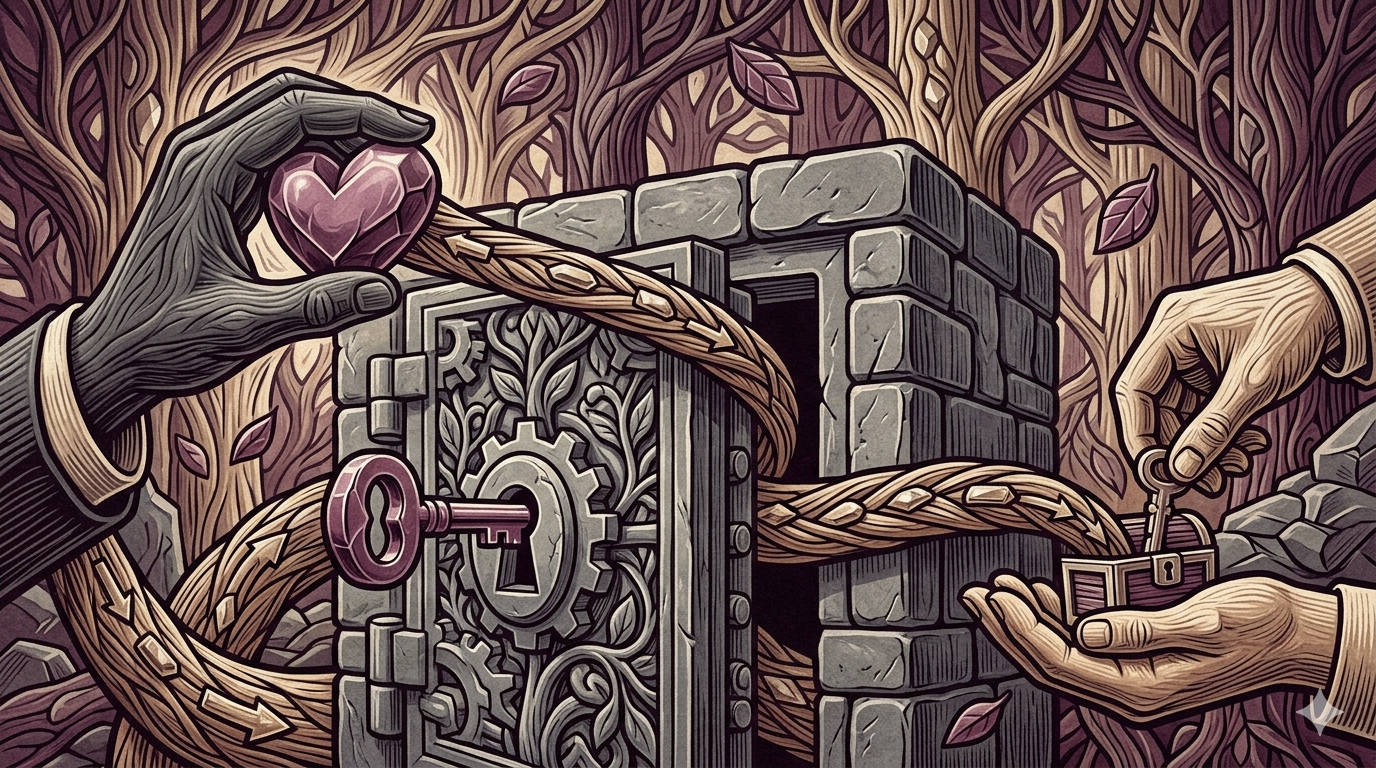
Effective planning for hardware security keys involves more than just passing down a device; it requires transferring the technical permission to act. Without a clear map of which keys unlock specific digital "doors," assets may remain trapped behind encrypted walls. This is why having a will is an act of care, as it allows for the legal designation of who should hold these technical permissions.
Protecting the Code: Succession for Private Repositories and Digital IP
For software engineers and researchers, intellectual property (IP) often resides in private code repositories or digital patent filings. This IP represents years of labor and potential future royalties for heirs. However, digital IP is difficult to transfer because it is frequently tied to a personal identity rather than a corporate entity.
If a developer owns a private GitHub repository, that code is invisible to the public. If they pass away without designating a "Successor" in the platform settings, the family may never realize the asset exists. This is a frequent issue in digital asset succession, where the technical owner is the sole gatekeeper according to George Washington University research.
Transferring posthumous intellectual property rights requires:
- Identifying specific repository IDs or patent numbers.
- Naming a technical executor capable of managing the codebase.
- Utilizing platform-specific features, such as GitHub’s Successor program, to automate the transition.
Many developers maintain open-source projects that serve as critical infrastructure for other software. When a maintainer passes away without a plan, the project can stall, leaving users vulnerable to security flaws. Managing digital credential succession ensures that administrative rights can be transitioned to a trusted co-maintainer, preventing the software from becoming "abandoned-ware."
The Complexity of Multi-Signature Wallets and Smart Credentials
The growth of decentralized finance (DeFi) has popularized multi-signature (multi-sig) wallets, which require multiple approvals to move funds. While secure, this creates a massive headache for heirs who may only have access to one of the required signatures. Inheriting a multi-sig wallet requires a strategy where the heir can step into the deceased's role as a signatory. This may involve a "dead man's switch" or a legal smart contract that transfers authority after a period of inactivity. As noted in the discussion on the risks of keeping crypto in exchanges vs hardware wallets for inheritance, hardware-based security requires more active planning for heirs than centralized exchange accounts.
Digital credentials extend beyond the tech sector. Professionals such as doctors or lawyers hold digital licenses and certifications. Inheriting these is not about the heir using the license, but rather having the ability to close professional accounts or preserve the record of the deceased’s achievements. This is a critical component of digital asset management that looks beyond simple financial assets, as explored in Boston University research.
Scenario: Lead Developer and Founder with Encrypted IP
In this scenario, a Lead Developer and Founder of a software startup has built a proprietary machine-learning algorithm. The source code is stored in a private repository, protected by a hardware security key. The founder’s legal will leaves "all business assets" to a surviving business partner.
However, following the founder's sudden passing in early 2026, the partner discovers that while they have the legal right to the code, the hardware key is locked with a PIN they do not know. The platform's support team cannot verify the partner's identity within the timeframe required for a critical funding round. Because the "tech stack" cannot be demonstrated to investors, the startup loses its valuation. This illustrates why estate disputes happen even when a will exists; a technical lockout creates a functional dispute where no legal dispute was intended.
Comparison: Legal Access vs. Technical Access
It is vital to understand that the law and technology move at different speeds. A court order does not automatically grant the ability to bypass 256-bit encryption.
| Feature | Legal Access (The Will) | Technical Access (The Key) |
|---|---|---|
| Authority Source | Granted by a probate court. | Granted by a password or physical chip. |
| Access Speed | May take weeks or months. | Instant (if the key and PIN are available). |
| Reliability | Subject to platform Terms of Service. | Depends on physical device integrity. |
| Transferability | High (via legal naming). | Low (requires physical handoff). |
Practical How-To: 5 Steps to Securing Your Digital Legacy
If you utilize hardware keys or manage digital IP, follow these steps to prevent a permanent lockout.
- Inventory and Label Hardware Keys: Physically label every security key. Use a tag to identify which key corresponds to specific accounts, such as "Primary Email" or "Cloud Console."
- Securely Store Recovery Codes: Every time a hardware key is configured, platforms provide "Backup Codes." These should be printed and stored in a physical fireproof safe or a secure digital vault.
- Appoint Platform-Specific Successors: Use built-in tools like Google’s Inactive Account Manager or GitHub’s Successor feature. These allow platforms to recognize an heir without requiring your password.
- Draft a Technical Roadmap: Create a document explaining *how* to use the keys. Do not assume an executor understands the mechanics of multi-sig wallets or hardware-bound passkeys.
- Protect Your Identity During Transition: Ensure your credit is protected to prevent exploitation of your accounts while they are in probate. You can how to freeze your credit to prevent identity theft as a proactive measure to keep the estate secure.
Digital Asset Inventory Checklist for Tech Owners
Use this table to track high-stakes digital assets and their current succession status.
| Asset Category | Platform/Location | Access Method | Succession Status |
|---|---|---|---|
| Private Code | GitHub / GitLab | Hardware Key + PIN | Successor Designated |
| Domain Names | Registrar (e.g. Namecheap) | 2FA App / SMS | Recovery Codes Stored |
| Crypto Assets | Hardware Wallet | Seed Phrase + Key | Heir Informed of Location |
| Cloud Infrastructure | AWS / Azure | MFA + Root Password | IAM User for Executor |
| Smart Home Admin | HomeKit / Google Home | Admin Email | Secondary Admin Added |
Original Practical Insight: The "Shadow Admin" Strategy
A highly effective but often overlooked strategy is the "Shadow Admin" approach. For critical systems like smart home hubs or private repositories, do not rely solely on a named successor. Instead, create a second "Admin" account today that belongs to a spouse or a trusted business partner.
Most users default to using a single personal email for all administrative tasks. By establishing a shared or secondary admin, you ensure that technical access is already active. This bypasses the need for a platform to verify a death certificate-a process that can take months as of April 2026. It transforms a "transfer of power" into a "continuation of access." This strategy is particularly useful for maintaining continuity in small businesses or highly automated households.
Caveats and Limits
Digital inheritance remains a complex area of law and technology with several limitations:
- Platform Policy Variability: Every service provider has different rules. Apple’s Digital Legacy program operates differently than Google’s, and these policies are subject to change.
- Jurisdictional Differences: In some regions, digital assets are treated as personal property; in others, they are viewed as non-transferable licenses.
- Encryption Constraints: No court order can mathematically break high-level encryption. If recovery codes are lost, the data is likely unrecoverable.
- Privacy vs. Access: There is a fine line between granting access to business IP and exposing private communications. Be specific about what should be archived versus what should be deleted.
FAQ
- How do I transfer hardware key access to an executor?
You cannot technically "transfer" the internal digital identity. You must provide the physical key and the PIN, or provide the "Backup/Recovery Codes" generated during the initial setup.
- Can an executor legally access private GitHub repositories?
Legally, yes, if the will specifies digital IP. Technically, they may still be blocked without MFA access or being named as a "Successor" in GitHub’s settings.
- What happens to digital patents without a succession plan?
Digital patents may become "orphaned." While legal rights pass to heirs, the ability to manage or defend the IP may be lost if the controlling accounts are inaccessible.
- How do I pass down a multi-sig wallet without sharing my private key now?
You can use a "Smart Contract Wallet" that triggers a transfer after a period of inactivity, or store your portion of the key in a secure vault that releases only upon verified death.
- Will my family be locked out of our smart home?
If you are the sole "Admin," they may lose the ability to manage the system. To prevent this, add a family member as a "Co-Owner" in the home management app today.
- Is a standard will sufficient for hardware security keys?
A will provides the legal right, but a hardware key is a technical barrier. You need a "Digital Asset Memorandum" that includes the physical locations of keys and recovery codes.
Conclusion
The shift toward a digital-first existence has made estate planning a technical challenge as much as a legal one. Hardware keys and private repositories offer robust security, but they also carry the risk of permanent lockout for those left behind. By taking proactive steps-such as naming successors, documenting recovery codes, and implementing the "Shadow Admin" strategy-you ensure that your intellectual property and digital wealth continue to serve your family.
The risk of losing access to a lifetime of digital work is significant, but the opportunity to secure it is available through diligent planning. Start your digital asset inventory today to ensure your heirs have the map they need to navigate your legacy. For more information on the broader context of digital assets, refer to the great digital beyond guide or professional digital asset planning resources.
Freshness Note: This guide was last reviewed and updated in April 2026 to reflect the latest platform policies for GitHub, Yubico, and major IoT providers.
About the Author and Reviewer
By Cipherwill Editorial Team, Digital Legacy Research Desk Reviewed by Cipherwill Review Board, Trust & Security Review Team Last reviewed: April 2026 Editorial contributor: Myra Senapati Review contributor: Reyansh Mehta
Legal and Accuracy Caution
Legal and Accuracy Caution: The laws governing digital assets, AI likeness, and posthumous privacy are evolving rapidly and vary significantly by jurisdiction. Platform terms of service and corporate policies are subject to change without notice. This guide provides general information and should not be construed as specific legal or financial advice. Always consult with a qualified professional in your specific region regarding digital estate planning.