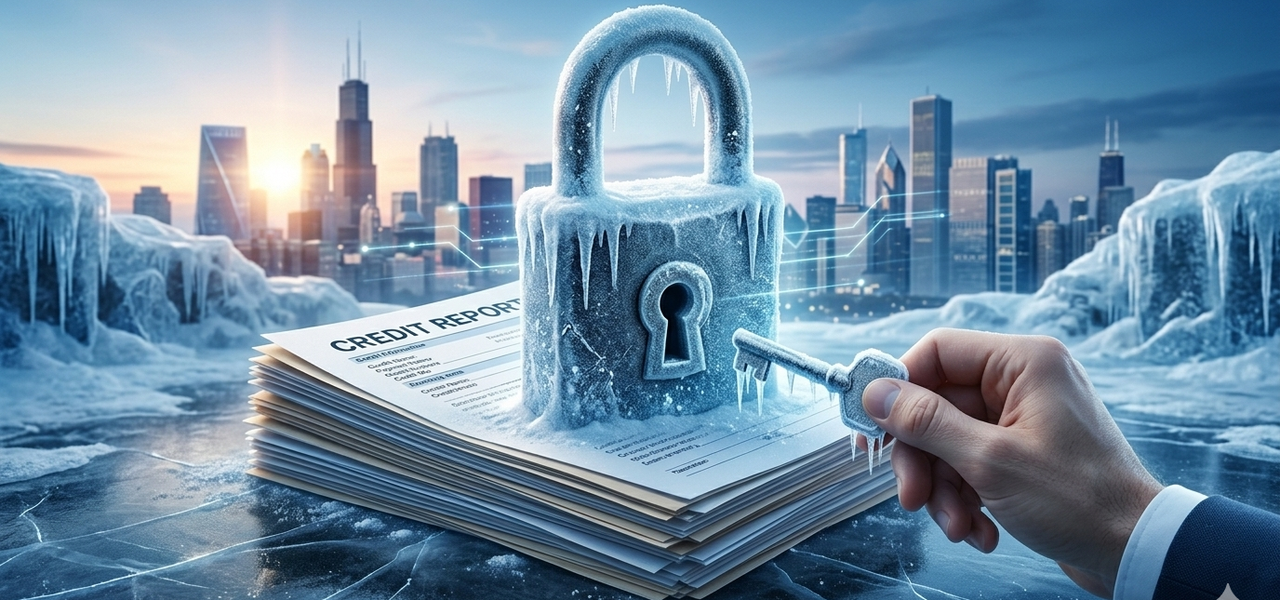
In an increasingly digital world, safeguarding your personal information has become paramount. The threat of identity theft looms large, with criminals constantly seeking new ways to exploit vulnerabilities. Understanding how to protect your financial well-being from unauthorized access is a crucial skill for every individual navigating the modern financial landscape. This proactive approach can save you countless hours of stress and financial recovery. Taking preventative measures now can mitigate significant risks in the future.
Understanding the Threat of Identity Theft
Identity theft occurs when someone uses your personal information without your permission to commit fraud or other crimes. This can include opening new credit accounts, taking out loans, or even filing fraudulent tax returns in your name. The consequences can be devastating, impacting your credit score, financial stability, and overall peace of mind for years. It's a pervasive problem that demands our immediate attention and strategic defense.
The methods employed by identity thieves are constantly evolving, ranging from sophisticated data breaches to simpler tactics like dumpster diving. They might steal your Social Security number, bank account details, or even medical insurance information. Once obtained, this data can be leveraged to create a new financial identity, often leaving the victim unaware until significant damage has occurred. Awareness of these common tactics is the first step in building a robust defense.

What is a Credit Freeze?
A credit freeze, also known as a security freeze, is a powerful tool designed to prevent identity thieves from opening new accounts in your name. It restricts access to your credit report, making it impossible for lenders to view it without your explicit permission. This effectively blocks new credit applications, as lenders require access to your report to approve them. It's a strong deterrent against fraudulent activity.
When your credit is frozen, any legitimate entity attempting to access your credit report for a new credit application will be denied. This immediate refusal serves as a red flag, indicating that your information is protected. It's a proactive measure that puts you in control of who can access your sensitive financial data. Implementing a freeze is a relatively straightforward process.
How a Credit Freeze Protects You
A credit freeze acts as a formidable barrier against unauthorized credit applications. By blocking access to your credit file, it prevents fraudsters from opening new credit cards, taking out loans, or establishing utility services in your name. This significantly reduces the window of opportunity for them to cause financial harm. It's like putting a lock on your financial identity.

This protective measure doesn't impact your existing credit accounts or your ability to access your own credit report. You can still use your current credit cards and monitor your financial standing. The freeze specifically targets *new* credit inquiries, ensuring that any attempt to establish new credit in your name is thwarted. It offers peace of mind without hindering your current financial activities.
The Role of Credit Bureaus
To implement a credit freeze, you must contact each of the three major credit reporting agencies individually. These agencies are Equifax, Experian, and TransUnion. Each bureau maintains its own separate credit file for you, so freezing one does not automatically freeze the others. This step-by-step process ensures comprehensive protection across all major reporting bodies.
Each credit bureau has a specific procedure for requesting a freeze, which typically involves providing personal identification information. Once the freeze is in place, they will provide you with a PIN or password. This unique identifier is crucial for temporarily lifting or permanently unfreezing your credit in the future. Keep this information secure and accessible.
Implementing a Credit Freeze: Step-by-Step
Freezing your credit requires you to contact each of the three major credit bureaus separately. This ensures comprehensive protection across all reporting agencies. Each bureau has its own online portal, phone number, and mailing address for initiating a freeze. Be prepared to provide personal identifying information to verify your identity during this process.
Here’s a general outline of the steps involved:
- Contact Equifax: Visit their website or call their dedicated credit freeze line.
- Contact Experian: Go to their security freeze page or call their designated number.
- Contact TransUnion: Access their online freeze portal or use their provided phone service.
During each interaction, you will be prompted to create an account or verify your identity. Upon successful completion, the bureau will issue you a PIN or password. This PIN is vital for managing your freeze, so store it securely.
Temporarily Lifting or Thawing Your Credit
There will be times when you need to unfreeze your credit, such as when applying for a new loan, credit card, or even a new apartment. This process is known as "thawing" your credit. You can choose to lift the freeze for a specific period, for a particular creditor, or permanently. This flexibility allows you to manage your financial life without constant restrictions.
When thawing, you will need the PIN or password issued by each credit bureau. You can typically do this online, by phone, or via mail. Specify the duration or the creditor for whom you are granting access. Remember to refreeze your credit once your legitimate application process is complete to maintain ongoing protection.
The Cost of a Credit Freeze
Historically, there were fees associated with placing and lifting credit freezes. However, due to legislative changes, placing and lifting a credit freeze is now free for all consumers in the United States. This significant change has made credit freezes more accessible and encouraged wider adoption as a security measure. There are no longer any financial barriers to this crucial protection.
This means you can freeze and unfreeze your credit as often as needed without incurring any charges. This affordability makes it an ideal, cost-effective solution for long-term identity theft prevention. The free nature of this service removes a significant hurdle for many individuals seeking to protect their financial identities.
Credit Freeze vs. Fraud Alert
While both credit freezes and fraud alerts aim to protect against identity theft, they function differently. A credit freeze completely blocks access to your credit report, preventing new accounts from being opened. A fraud alert, on the other hand, simply notifies potential creditors that they should take extra steps to verify the identity of anyone applying for credit in your name. It serves as a warning.
A fraud alert requires creditors to contact you directly to confirm your identity before extending new credit. This adds an extra layer of verification but doesn't outright prevent access to your report. A credit freeze offers a more robust and definitive barrier against fraudulent activity. For maximum protection, some individuals choose to implement both.
Best Practices for Identity Protection
Beyond freezing your credit, several other best practices can significantly enhance your identity protection. Regularly monitoring your financial statements and credit reports for suspicious activity is crucial. This proactive vigilance can help you detect unauthorized transactions early. Staying informed about potential threats is a continuous process.
Consider using strong, unique passwords for all your online accounts and enabling two-factor authentication whenever possible. Be cautious about sharing personal information online or over the phone, and shred sensitive documents before discarding them. These habits form a comprehensive defense strategy against identity theft. Furthermore, educating yourself on digital security is paramount.
For those grappling with the complexities of digital legacy and the protection of their digital assets, a comprehensive service solution is invaluable. Ensuring that your digital footprint is managed securely, particularly after a significant life event, can be a daunting task. Cipherwill offers robust tools and guidance to help users plan and protect their digital estates. This service is designed to address the challenges of managing digital assets and identities, providing peace of mind in an increasingly digital world.
What a Credit Freeze Does NOT Do
It's important to understand the limitations of a credit freeze. While incredibly effective at preventing new credit accounts from being opened, it does not protect against all forms of identity theft. For instance, it won't prevent someone from using your existing credit card numbers or accessing your bank accounts if they already have that information. It focuses specifically on new credit.
A credit freeze also won't stop someone from filing a fraudulent tax return in your name or using your medical insurance information. These types of identity theft require different preventative measures and monitoring. Therefore, a credit freeze should be part of a broader identity protection strategy, not the sole defense. It's a powerful tool, but not an all-encompassing solution.
Beyond the Freeze: Comprehensive Digital Estate Planning
While a credit freeze safeguards your financial present, comprehensive digital estate planning looks to the future. In today's digital age, individuals accumulate a vast array of online accounts, digital assets, and sensitive information. Planning for the management and protection of these assets after your passing is increasingly vital. This foresight ensures your digital legacy is handled according to your wishes.
This planning involves documenting access to online accounts, specifying beneficiaries for digital assets like cryptocurrency or intellectual property, and outlining instructions for social media accounts. Failing to plan can lead to significant complications for loved ones, from inaccessible accounts to lingering digital vulnerabilities. Proactive digital estate planning is a modern necessity. For further insights into the psychological aspects of such planning, consider reading The Psychology Behind Dead Man's Switch on the Cipherwill blog.
Maintaining Vigilance and Regular Review
Even with a credit freeze in place, maintaining vigilance is key to comprehensive identity protection. Regularly review your credit reports from all three bureaus, which you can access for free annually at AnnualCreditReport.com. Look for any unfamiliar accounts or inquiries that might indicate attempted fraud. Consistent monitoring is your best defense.
Additionally, keep an eye on your bank and credit card statements for any unauthorized transactions. Be wary of phishing attempts via email or text, and never click on suspicious links. Identity theft is an ongoing threat, and continuous awareness combined with proactive measures provides the strongest defense. Your financial security is an active responsibility.
FAQs
Q: What is the main benefit of freezing my credit?
A: The primary benefit is preventing identity thieves from opening new credit accounts in your name, as it blocks access to your credit report for new credit applications. This effectively stops unauthorized financial activity before it can begin.
Q: How long does a credit freeze last?
A: A credit freeze remains in effect indefinitely until you choose to temporarily lift it or permanently remove it. There is no expiration date, providing continuous protection for your credit file.
Q: Can I still get credit if my credit is frozen?
A: Yes, but you will need to temporarily lift or "thaw" your credit freeze before applying for new credit. Once the application process is complete, you can refreeze your credit for continued protection.
Q: Does a credit freeze affect my credit score?
A: No, placing or lifting a credit freeze has no impact on your credit score. It is a security measure and not a factor in credit scoring models. Your credit score remains unaffected.
Q: Is there a cost to freeze or unfreeze my credit?
A: No, under federal law, placing and lifting a credit freeze is free for all consumers in the United States. This makes it an accessible and cost-effective security measure.
Q: What is the difference between a credit freeze and a fraud alert?
A: A credit freeze blocks access to your credit report entirely, preventing new credit. A fraud alert flags your report, requiring lenders to verify your identity before extending new credit, but doesn't block access.
Q: Do I need to contact all three credit bureaus?
A: Yes, you must contact Equifax, Experian, and TransUnion individually to freeze your credit. Freezing with one bureau does not automatically freeze your credit with the others.
Q: What information do I need to freeze my credit?
A: You will typically need to provide personal identifying information such as your name, address, date of birth, and Social Security number to verify your identity with each credit bureau.
Q: Can a credit freeze prevent all types of identity theft?
A: No, a credit freeze primarily prevents new credit accounts from being opened fraudulently. It does not protect against existing card misuse, tax fraud, or medical identity theft.
Q: What should I do if I forget my PIN for unfreezing my credit?
A: If you forget your PIN, you will need to contact each credit bureau directly to go through a verification process to regain access to your freeze management tools. They have procedures in place for this.