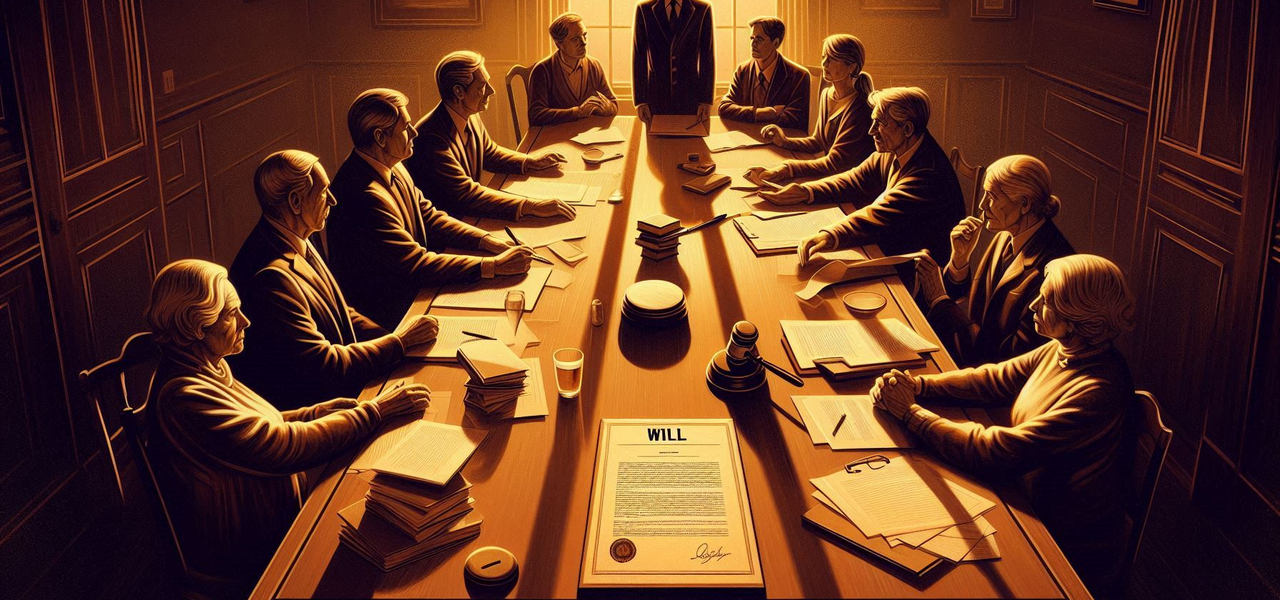
The creation of a last will and testament is often seen as the ultimate safeguard against family disputes after a loved one passes. It's a formal declaration outlining how assets should be distributed, who should care for minor children, and other crucial decisions. The common assumption is that once a will is in place, the path to estate settlement will be smooth, clear, and free from conflict. This belief, while understandable, frequently overlooks the myriad complexities that can arise even with the most meticulously drafted document. The reality is far more nuanced, and sadly, disputes often emerge even when a seemingly ironclad will exists.
Ambiguity and Lack of Clarity
One of the most common catalysts for estate disputes, even with a will, stems from ambiguous language or a lack of clarity within the document itself. Vague phrasing regarding asset distribution, beneficiary identification, or specific conditions can lead to vastly different interpretations among heirs. This ambiguity often forces beneficiaries to seek legal clarification, which can quickly escalate into contentious battles over the testator's true intentions. The absence of precise definitions for terms or unclear instructions for executors can further exacerbate these issues.
A will might state "my jewelry collection to my daughters," but if the collection is extensive and varied, and there are multiple daughters, who gets what? Such open-ended statements, while seemingly straightforward to the testator, become battlegrounds for beneficiaries. This lack of specificity often necessitates court intervention, adding significant time and cost to the estate settlement process. Clear, concise language is paramount to prevent such misunderstandings.

Undue Influence and Lack of Testamentary Capacity
Challenges to a will's validity often arise from allegations of undue influence or a lack of testamentary capacity. Undue influence refers to a situation where someone manipulates the testator into making specific provisions in their will that they wouldn't have otherwise made. This often involves a person in a position of trust or authority over the testator, exploiting their vulnerability.
Similarly, a lack of testamentary capacity means the testator was not of sound mind when the will was created or revised. This could be due to advanced age, illness, medication, or cognitive impairment, rendering them incapable of understanding the nature and extent of their assets, identifying their natural heirs, and comprehending the effect of their will. Proving these claims requires substantial evidence and often leads to prolonged legal battles, effectively halting the estate distribution process.
Improper Execution of the Will
The legal requirements for a will's execution are stringent and vary by jurisdiction. These typically include specific rules regarding the number of witnesses, their eligibility, and the proper signing of the document by both the testator and the witnesses. Failure to adhere to these formalities, even minor deviations, can render a will invalid. For example, if a witness is also a beneficiary, or if the will isn't signed in the presence of all required parties, its legitimacy can be challenged.
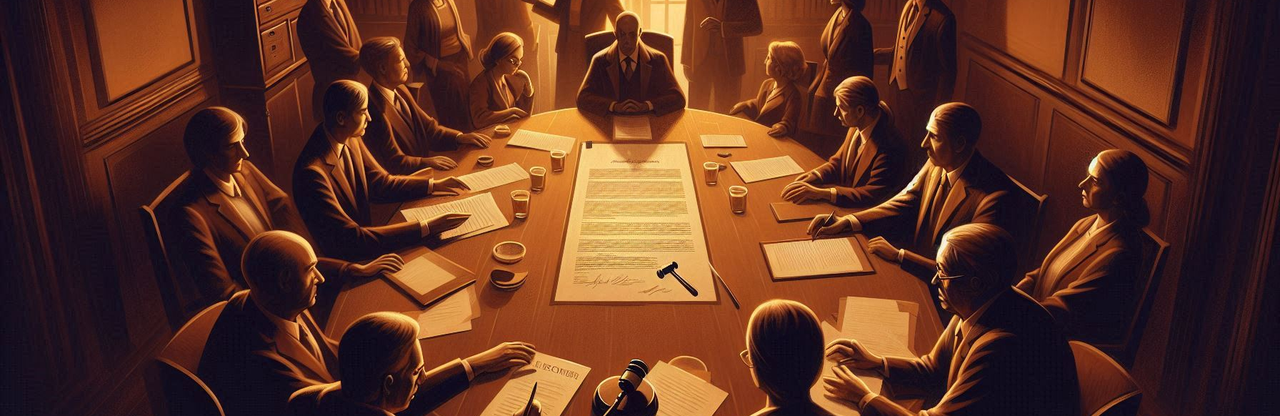
These technical flaws, often overlooked during the initial drafting, can become critical vulnerabilities when the will is presented for probate. A seemingly perfect will could be thrown out by the courts due to a procedural error, leading to the estate being distributed under intestacy laws, which rarely align with the deceased's actual wishes. This can be particularly frustrating for beneficiaries who believed a valid will was in place.
Unforeseen Changes and Omissions
Life is unpredictable, and wills, once drafted, don't always keep pace with significant life changes. Events such as marriages, divorces, births of new children or grandchildren, deaths of named beneficiaries, or substantial changes in asset portfolios can render parts of a will outdated or irrelevant. If the will isn't updated to reflect these changes, it can create unintended consequences and disputes.
For instance, a will drafted before a second marriage might still primarily benefit the children from a first marriage, leaving the new spouse feeling disinherited. Similarly, if a specific asset mentioned in the will is sold or no longer exists, the beneficiaries designated to receive it might feel slighted, leading to arguments over compensatory distributions. Regular reviews and updates are crucial to avoid these pitfalls.
Challenges to Digital Assets and Online Accounts
In our increasingly digital world, traditional wills often fall short in addressing the complexities of digital assets. These can include cryptocurrency, online accounts, social media profiles, domain names, and even digital photos or documents stored in the cloud. Many individuals fail to include specific instructions for these assets in their wills, or they might not even realize their digital footprint constitutes valuable property.
The lack of clear directives, access credentials, or designated digital executors can lead to significant challenges for heirs. Without passwords or specific instructions, digital assets can become inaccessible or lost forever. This growing problem underscores the need for specialized planning. For those navigating the complexities of digital estate planning, including how to assign cryptocurrency to family and ensure seed phrase safety, solutions like Cipherwill offer comprehensive support. Cipherwill provides a robust platform for managing and securing your digital legacy, ensuring your digital assets are handled according to your wishes. This proactive approach can prevent future disputes over valuable online property.
Disputes Over the Executor's Actions
The executor of an estate holds a significant position of trust and responsibility. Their duties include gathering assets, paying debts, filing taxes, and distributing the remaining estate according to the will. However, disputes frequently arise if beneficiaries believe the executor is not acting in their best interests, is mismanaging funds, delaying the process, or showing partiality towards certain heirs.
Allegations of executor misconduct can range from minor oversights to outright fraud, leading to legal challenges that can tie up an estate for years. Beneficiaries might demand an accounting of all transactions, question investment decisions, or even seek to have the executor removed. Clear communication, transparency, and adherence to fiduciary duties are essential for an executor to avoid such conflicts.
Will Forgery or Fraud
While less common, outright forgery or fraudulent wills can occur, leading to intense legal battles. This involves someone creating or altering a will with the intention of deceiving others and benefiting unfairly from the estate. Such situations often come to light when a beneficiary receives a copy of a will that seems entirely inconsistent with the deceased's known wishes or previous statements.
Proving forgery or fraud typically requires forensic analysis of documents, witness testimonies, and a thorough investigation into the circumstances surrounding the will's creation. These cases are extremely complex and emotionally charged, often pitting family members against each other in protracted and expensive litigation. The emotional toll on all parties involved can be devastating.
Family Dynamics and Entitlement Issues
Even with a perfectly drafted and executed will, underlying family dynamics and a sense of entitlement can fuel disputes. Siblings who have always had a strained relationship might find the will's provisions, however fair, as a new point of contention. Some beneficiaries might feel they are "more deserving" than others, regardless of what the will states.
This is particularly true when there are significant differences in the financial needs or perceived contributions of family members to the deceased's life. While the will legally dictates distribution, it cannot always pacify deep-seated emotional grievances or rivalries. These emotional factors often transform legal disagreements into personal attacks, making resolution incredibly difficult.
Lack of Communication and Transparency
A significant contributor to estate disputes, even when a will exists, is the lack of open communication during the testator's lifetime and transparency during the probate process. If beneficiaries are unaware of the will's contents or the reasons behind certain decisions, they are more likely to question and challenge them after the testator's death. Surprises often breed suspicion and resentment.
Furthermore, if the executor fails to communicate effectively with beneficiaries about the progress of the estate administration, delays, or challenges, it can lead to frustration and distrust. Regular updates and clear explanations can preempt many potential disputes. Proactive communication can foster understanding and reduce the likelihood of legal action.
Poorly Chosen Beneficiaries or Guardians
Sometimes, disputes arise not from the will's legal inadequacies but from the testator's choices themselves. If a testator chooses a beneficiary or guardian that is widely perceived as unsuitable or untrustworthy by other family members, it can ignite significant conflict. For example, naming a distant relative as a guardian over a closer, more involved family member can cause an uproar.
Similarly, disinheriting a child or leaving a disproportionately small share to a close family member without clear explanation can be deeply upsetting and lead to challenges based on perceived unfairness or undue influence. While a testator has the right to distribute their estate as they wish, such decisions can have profound and contentious repercussions if not handled with sensitivity and clear communication.
Strategies to Mitigate Disputes
To minimize the risk of estate disputes, several proactive strategies can be employed. Firstly, engage an experienced estate planning attorney to draft your will, ensuring it is legally sound, clear, and unambiguous. Regularly review and update your will to reflect life changes. Consider adding a "no-contest clause" (in jurisdictions where permitted) to deter frivolous challenges.
- Clarity in Drafting: Use precise language, explicitly define terms, and leave no room for multiple interpretations.
- Regular Reviews: Update your will after major life events like marriage, divorce, birth of children, or significant changes in assets.
- Letter of Intent: While not legally binding, a letter of intent can explain the reasoning behind specific decisions, providing context for beneficiaries.
- Digital Asset Planning: Include clear instructions for all digital assets, including access credentials and designated digital executors. For more insights on securing digital assets, you might find this article helpful: How to Assign Crypto to Family: Seed Phrase Safety Tips Today.
- Choose a Capable Executor: Select an executor who is trustworthy, organized, and capable of managing the estate impartially.
- Communicate Intentions: While not always comfortable, discussing your wishes with key beneficiaries can prevent misunderstandings.
- Consider a Trust: For complex estates or sensitive family dynamics, a trust can sometimes offer more control and privacy than a traditional will.
Best Practices for Estate Planning
Effective estate planning goes beyond merely drafting a will; it's a holistic process designed to ensure your wishes are honored and your loved ones are protected.
- Professional Guidance: Always work with an experienced estate planning attorney. They can navigate complex legal requirements and ensure your will is valid and comprehensive.
- Detailed Asset Inventory: Create a complete list of all assets, including financial accounts, real estate, personal property, and digital assets. Specify how each should be distributed.
- Contingency Planning: Plan for various scenarios, such as the death of a primary beneficiary or executor, by naming alternates.
- Open Communication (where appropriate): While not mandatory, discussing your estate plan with close family members can help manage expectations and prevent surprises.
- Secure Document Storage: Keep your original will and other important estate planning documents in a safe, accessible location, and inform your executor of its whereabouts.
- Periodic Review: Life changes, laws change. Review your estate plan every 3-5 years, or after any significant life event.
It is clear that simply having a will is not a guarantee against disputes. The complexities of human relationships, coupled with the ever-evolving nature of assets and legal frameworks, mean that even the most well-intentioned plans can be challenged. By understanding the common pitfalls and adopting proactive strategies, individuals can significantly reduce the likelihood of their legacy becoming a source of conflict rather than comfort for their loved ones.
---
Frequently Asked Questions
Q: Can a will be challenged even if it was prepared by a lawyer?
A: Yes, even wills meticulously prepared by lawyers can be challenged. Challenges typically focus on issues like the testator's mental capacity, undue influence, or improper execution, rather than the lawyer's drafting skill.
Q: What is "undue influence" in the context of a will?
A: Undue influence occurs when someone uses their power or authority over the testator to coerce them into making decisions in their will that they would not have made voluntarily, often to the influencer's benefit.
Q: What does "testamentary capacity" mean?
A: Testamentary capacity refers to the legal and mental ability of a person to make a valid will. This generally means understanding the nature of their assets, identifying their heirs, and comprehending the effects of their will.
Q: How can I prevent my digital assets from causing disputes?
A: Clearly list all digital assets in your estate plan, provide access instructions (or where to find them), and designate a digital executor. Services specializing in digital estate planning can be invaluable for this.
Q: What is a "no-contest clause" and how does it work?
A: A no-contest clause (also known as an "in terrorem" clause) states that if a beneficiary challenges the will and loses, they will forfeit their inheritance. Its effectiveness varies by jurisdiction.
Q: What happens if an executor mismanages the estate?
A: Beneficiaries can petition the court to have the executor removed, demand an accounting of all transactions, and potentially sue for damages if the mismanagement caused financial loss to the estate.
Q: Is it advisable to discuss my will with my family before I pass away?
A: While not legally required, discussing your will's contents with close family members can help manage expectations, explain your reasoning, and potentially prevent disputes arising from surprises or misunderstandings.
Q: What if my will doesn't account for a new child or grandchild?
A: If a will is not updated, laws in some jurisdictions may provide for an "omitted heir," potentially granting them a share of the estate. However, this can lead to disputes among other beneficiaries.
Q: How often should I review and update my will?
A: It's a best practice to review your will every 3-5 years, or immediately after any significant life event such as marriage, divorce, birth or death of a beneficiary, or substantial changes in your assets.
Q: Can a handwritten will be valid, and is it more prone to disputes?
A: A handwritten will (holographic will) can be valid in some jurisdictions if it meets specific requirements (e.g., entirely in the testator's handwriting and signed). However, they are often more prone to challenges due to potential ambiguities and lack of witness verification.