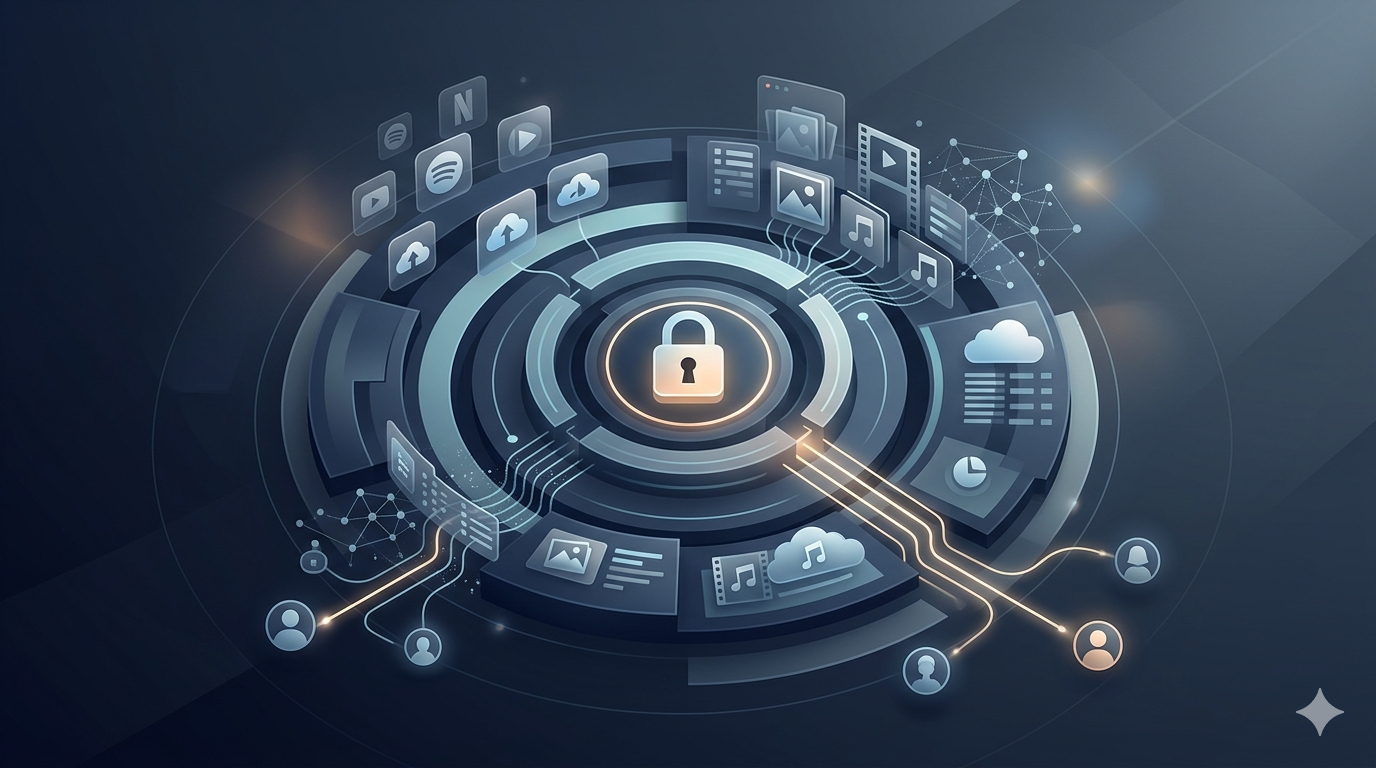
As of March 2026, nearly 75% of knowledge workers utilize generative AI in their daily workflows, creating an extensive trail of personal data, custom prompts, and fine-tuned models that often lack formal legal protection. For many individuals, the pain of digital estate planning lies in the "locked door" problem: without a clear succession plan, these sophisticated digital assets can become "ghost data," vulnerable to unauthorized scraping or permanent loss by platform providers. This guide solves the complexity of securing your generative legacy by providing a structured framework for managing AI models, training datasets, and identity synthesis permissions to ensure your digital twin remains a secure asset for your heirs.
By Cipherwill Editorial Team, Digital Legacy Research Desk Reviewed by Cipherwill Review Board, Trust & Security Review Team Last reviewed: March 2026 Editorial contributor: Myra Senapati Review contributor: Reyansh Mehta
Legal and Accuracy Caution: The laws governing digital assets, AI likeness, and posthumous privacy are evolving rapidly and vary significantly by jurisdiction. Platform terms of service and corporate policies are subject to change without notice. This guide provides general information and should not be construed as specific legal or financial advice. Always consult with a qualified professional in your specific region regarding digital estate planning.
The New Digital Frontier: Why AI Models Require Specific Planning
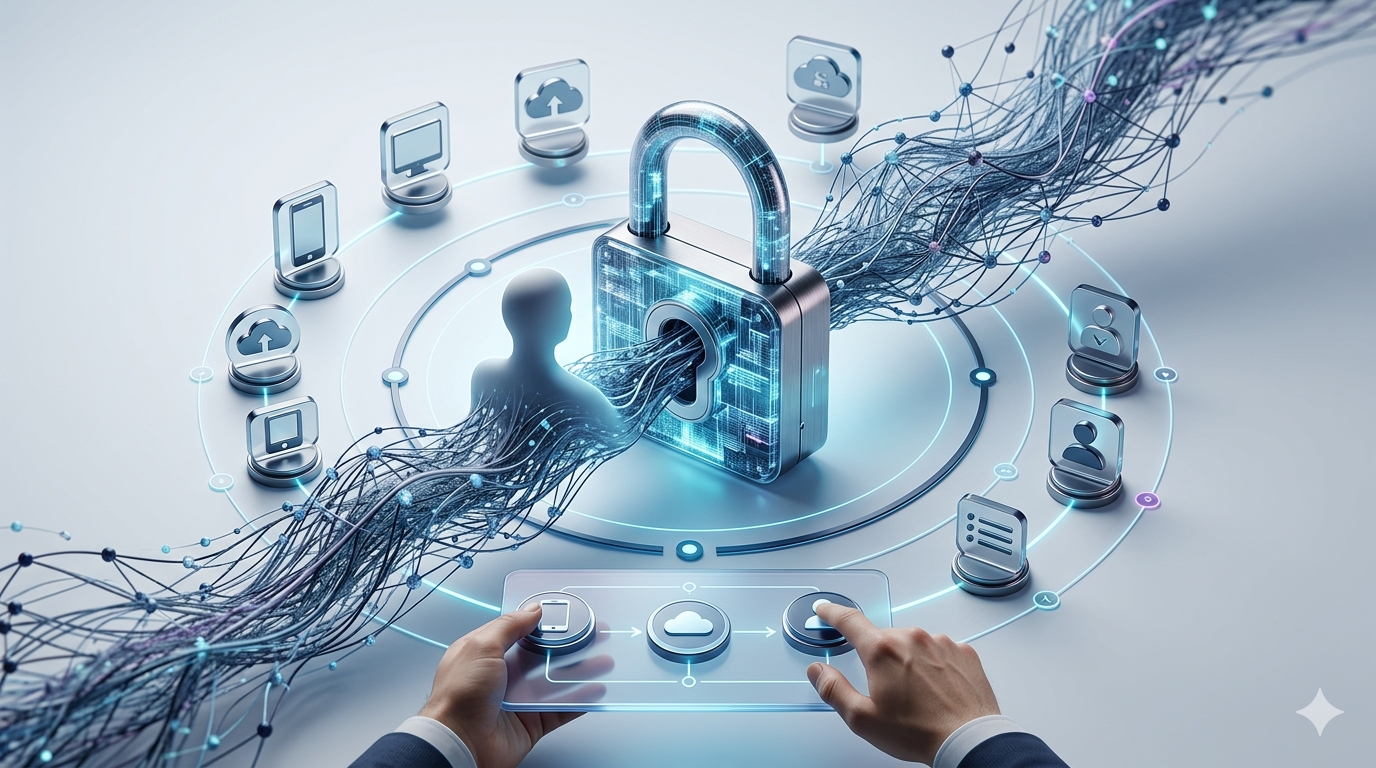
Traditional estate planning focuses on physical property and bank accounts, but as we move further into the age of generative AI, our "digital twins"-models trained on our specific writing styles, voices, and preferences-are becoming valuable assets. These models are more than just software; they are reflections of our personhood and professional output.
Understanding the Value of Fine-Tuned LLMs and Personal Datasets
If you have spent hundreds of hours fine-tuning a Large Language Model (LLM) to assist with your business, or if you have a personal AI assistant that knows your schedule and preferences, you have created a unique asset. According to NIST research on Digital Twin technology, these systems require high levels of trust and security because they contain sensitive personal data.
For a creator, an AI model trained on their portfolio may be a source of future income for their family. For a relative, it might be a way to preserve memories. However, if the login credentials or the underlying training data are lost, the model becomes a "black box" that no one can access. After graduation, the responsibilities no one mentions often include managing these burgeoning digital footprints before they become unmanageable in later life.
The Legal Gray Area of Identity Synthesis After Death
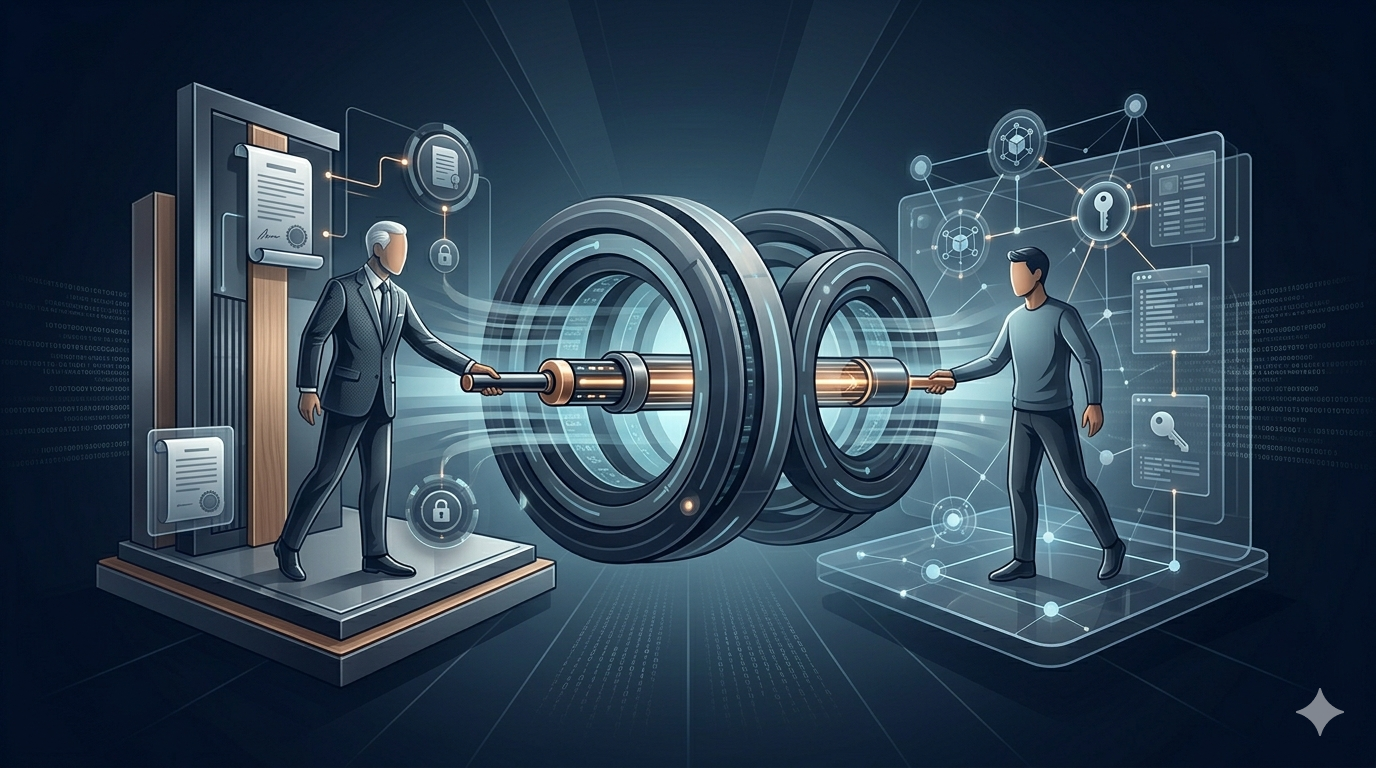
Identity synthesis occurs when AI is used to create a "deepfake" or a digital recreation of a person. As of March 2026, there is a significant legal gray area regarding who owns your likeness after you pass away. Without explicit instructions in a digital will, tech companies or bad actors could potentially scrape your public data to create a "ghostbot" version of you without your family's consent. Emerging ethical guidelines suggest that individuals should have the right to "digital remains" privacy, meaning you must state clearly whether you want your AI models to be kept active, archived, or deleted entirely.
Securing the Training Data: The Foundation of Your AI Legacy
An AI model is only as good as the data it was trained on. This foundation often includes years of personal cloud backups, encrypted messaging history, and private documents.
Protecting Personal Cloud Backups and Encrypted Messaging History
Most generative AI tools for personal use rely on "RAG" (Retrieval-Augmented Generation), which pulls information from your private files. If your heirs cannot access your cloud storage or your encrypted messages, the AI model loses its "memory." When you are learning how to get your financial life organized in your 40s, you should include a "tech audit" that lists where your training data is stored, including platforms like Google Drive, Dropbox, and specialized AI hosting sites.
Preventing Unauthorized Post-Mortem Data Scraping
Once a person passes away, their social media profiles and public blogs may become targets for AI scrapers looking for data to feed into large-scale models. To prevent this, your digital estate plan should include instructions for your executor to set profiles to "memorialized" status or private. According to Purdue Global Law School, the lack of clear digital instructions can lead to months of legal battles with tech providers over data access.
Succession Planning for AI-Driven SaaS and Business Assets
Many modern businesses are built on Software-as-a-Service (SaaS) platforms. If you run a business that uses AI to automate customer service or content creation, that business depends on active subscriptions.
Managing Subscription-Based Software Licenses and SaaS Seats
SaaS contracts are usually non-transferable by default. If the account holder dies, the service may be cut off due to a failed payment, causing the business to collapse. You must ensure your executor duties explained for first time family executors include a list of all business-critical SaaS subscriptions and the authority to transition them to a new owner. Digital asset succession planning is no longer optional for entrepreneurs, as noted by Wel Partners, who emphasize that wills now require a "tech upgrade" to handle these intangible assets.
Biometrics and the Digital Will: The Keys to the Kingdom
The biggest hurdle in digital estate planning is the "locked door" created by biometrics. If your AI model or data vault is locked behind a fingerprint or face ID, your heirs may be permanently locked out.
Managing DNA Profiles and Biometric Data Access for Heirs
Biometric data, including DNA profiles from services like 23andMe, are increasingly used to personalize AI health models. Just as why clear organ donation wishes matter for families involves making difficult choices about the physical body, a biometric digital will helps heirs manage your biological data. You should never share your actual biometric data, but you can use a "Legacy Contact" feature or a digital vault that releases emergency access codes to your heirs upon proof of death.
Scenario: The Freelance Designer’s AI Assistant
Consider a freelance designer who built a custom GPT trained on ten years of their specific design aesthetic. This AI allowed the designer to take on three times the usual workload by automating initial drafts.
When the designer passed away, their spouse wanted to keep the business running by using the AI to complete outstanding projects. However, because the designer used two-factor authentication (2FA) tied to a physical phone that was wiped for security, the spouse could not log into the AI platform. The business lost its most valuable asset-the "design brain"-overnight. If the designer had used a digital asset succession plan, the spouse would have had a recovery key to transfer the "SaaS seat" to a new account, preserving the business's continuity.
Comparison: Options for AI Model Preservation
| Method | Level of Control | Complexity | Best For |
|---|---|---|---|
| Platform Legacy Contacts | Low | Easy | Social media and basic cloud accounts. |
| Digital Vaults | High | Medium | Encrypted keys, AI model locations, and LOIs. |
| Trusts for Digital Assets | Very High | High | High-value AI businesses and virtual real estate. |
| Open-Source Self-Hosting | Absolute | Very High | Technical users who want total privacy from SaaS providers. |
Step-by-Step: How to Secure Your AI Legacy Now
- Audit Your AI Assets: List every platform where you have a custom-trained model or a significant amount of "prompt engineering" history as of March 2026.
- Designate a Digital Executor: Choose someone tech-savvy who understands how to manage SaaS accounts and cloud storage.
- Create a "Dead Man's Switch" or Vault: Use a service to store master passwords and recovery keys that are released only when certain conditions are met.
- Write a Digital Letter of Intent: Specify if you want your AI likeness to be used, archived, or deleted. Be specific about "Identity Synthesis" and your "silicon soul."
- Update Your Legal Will: Ensure your legal documents grant your executor the power to handle "digital assets," specifically mentioning AI models and training data. According to Hands Law, incorporating these into your will is essential for modern estate management.
Practical Checklist for AI Model Estate Planning
| Asset Category | Item to Secure | Action Required |
|---|---|---|
| Training Data | Personal Cloud (Google/Dropbox) | Set up Legacy Contact / Share Folder Access |
| Model Access | SaaS Logins (OpenAI/Anthropic) | Document recovery codes and billing info |
| Identity | Voice & Likeness Data | Include "No-Scraping" clause in Digital Will |
| Business | Custom API Keys | Store in a secure digital vault for heirs |
| Hardware | Local GPUs/Hard Drives | Provide physical encryption keys or passwords |
Original Practical Insight: The Risk of "Model Collapse"
A non-obvious risk for heirs is "Model Collapse." If an heir continues to use a deceased person's AI model but feeds it new, lower-quality data or "hallucinated" info from other AIs, the model will eventually degrade. It will stop sounding like the original person and become a generic, distorted version. If you want your digital twin to last, your instructions must include a "Data Quality Standard." Tell your heirs exactly what kind of information should-and should not-be used to update the model to keep your legacy authentic. This ensures the "digital twin" remains a true reflection of the original creator rather than a corrupted copy.
Caveats and Limits
It is important to remember that most SaaS companies (like OpenAI or Microsoft) currently have "Terms of Service" that state accounts are for a single user and are not transferable. Even with a will, your heirs may face resistance from tech giants. Additionally, the cost of hosting large AI models can be hundreds of dollars a month. If your estate does not have the funds to pay these hosting fees, the model may be deleted by the provider regardless of your wishes. Furthermore, the question of who will own your digital twin remains a subject of intense legal debate as of March 2026.
FAQ
- Can an AI model be legally inherited as property?
In many jurisdictions, digital assets may be considered personal property. However, the license to use the software (SaaS) is often not inheritable. You usually inherit the data and the right to the output, but not necessarily the account itself.
- How do I prevent my voice and likeness from being used by AI after I die?
You should include a specific "Right of Publicity" clause in your will. This instructs your executor to take legal action against any company that uses your likeness for "Identity Synthesis" without permission.
- Who owns the copyright to content generated by a deceased person's AI model?
Currently, the U.S. Copyright Office generally maintains that AI-generated content without significant human input cannot be copyrighted. However, if an heir uses the model as a tool to create new work, they may own the copyright to that specific creation.
- What happens to my SaaS business subscriptions when I pass away?
Unless you have a succession plan, the account will likely be suspended when the credit card on file expires. You should use a business entity (like an LLC) to hold these subscriptions so they can be transferred more easily.
- How can I transfer encrypted messaging history to my heirs safely?
Use a secure digital vault to store the "Cloud Backup" passwords for apps like WhatsApp or Signal. Without these, the end-to-end encryption makes the data impossible to recover.
- Is it possible to include biometric data access in a digital will?
You cannot "give" your fingerprint to an heir, but you can provide the alphanumeric "Master Reset Code" that most devices provide as a backup to biometric login.
Conclusion
Your digital twin is a significant part of your modern legacy. As AI becomes more integrated into our lives, the risk of "identity scraping" and the loss of valuable generative assets grows. By creating a comprehensive digital estate plan that includes your AI models, training data, and SaaS subscriptions, you protect your identity from being misused and ensure your hard work isn't lost to a forgotten password. According to Forbes, digital assets are the biggest "blind spot" in modern estate planning. Failure to act creates a risk of permanent data loss, while proactive planning offers the opportunity to preserve a professional and personal legacy for generations. Start by auditing your AI assets today and securing your recovery keys in a trusted digital vault.
Freshness Note: This guide was last reviewed and updated in March 2026 to reflect the latest standards in digital asset succession and AI privacy laws.
About the Author and Reviewer
By Cipherwill Editorial Team, Digital Legacy Research Desk Reviewed by Cipherwill Review Board, Trust & Security Review Team Last reviewed: March 2026 Editorial contributor: Myra Senapati Review contributor: Reyansh Mehta
Legal and Accuracy Caution
Legal and Accuracy Caution: The laws governing digital assets, AI likeness, and posthumous privacy are evolving rapidly and vary significantly by jurisdiction. Platform terms of service and corporate policies are subject to change without notice. This guide provides general information and should not be construed as specific legal or financial advice. Always consult with a qualified professional in your specific region regarding digital estate planning.