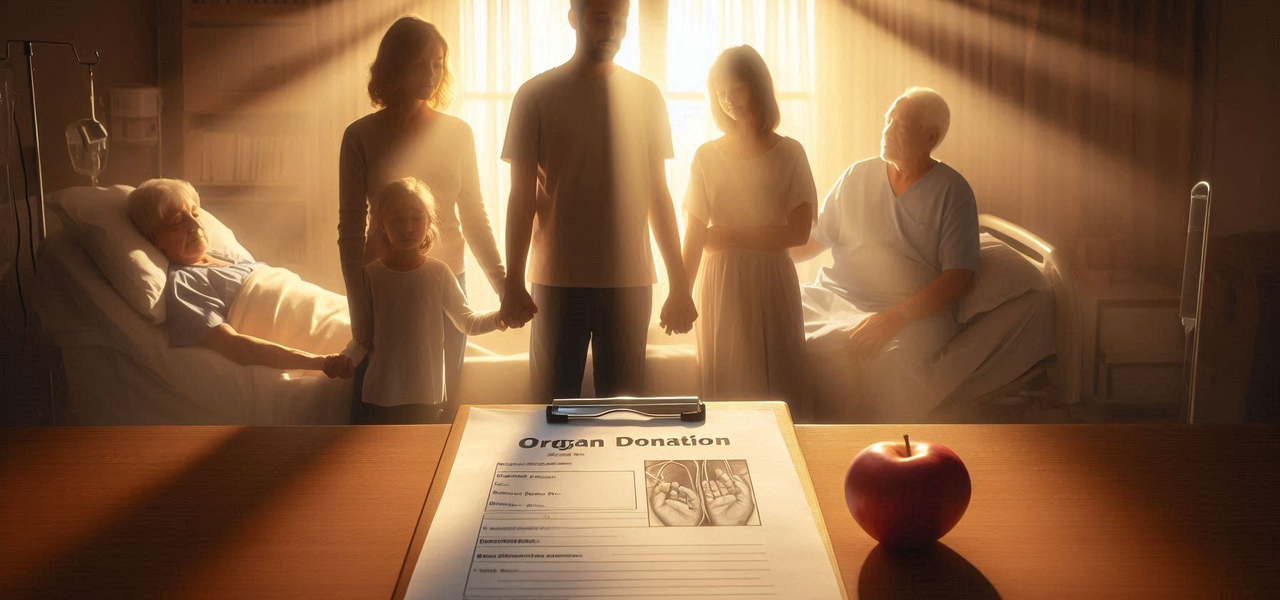
The decision to become an organ donor is a profoundly personal one, carrying immense potential to save and transform lives. However, the true impact of this decision extends far beyond the individual, deeply influencing their loved ones during one of life's most challenging periods. When an individual's wishes regarding organ donation are unclear or undocumented, families are often left grappling with agonizing choices amidst grief, adding an unbearable burden to an already emotionally fraught situation. This lack of clarity can lead to prolonged distress, internal family conflict, and, in some cases, the inability to honor what might have been a cherished desire to help others.
The Emotional Toll of Ambiguity on Grieving Families
Grief is a complex and overwhelming emotion, often characterized by disorientation, sadness, and a profound sense of loss. When organ donation becomes a consideration, and the deceased's wishes are unknown, families are thrust into an ethical and emotional dilemma. They are forced to make a life-or-death decision on behalf of their loved one, often without the benefit of prior discussion or clear guidance. This uncertainty can exacerbate feelings of guilt, regret, and doubt, as family members second-guess their choices long after the fact, wondering if they truly honored their loved one's values.
The pressure to decide quickly, often under intense emotional duress, can lead to significant family discord. Different family members may hold varying beliefs about organ donation, or they may interpret the deceased's unspoken intentions differently. This can result in heated arguments, lasting resentments, and even permanent rifts within the family unit, further complicating the grieving process. The absence of a definitive statement from the deceased transforms a potentially altruistic act into a source of profound internal and interpersonal conflict.

Understanding the Organ Donation Process and Family Consent
Even when an individual has registered as an organ donor, family consent often plays a crucial role, particularly in certain jurisdictions or circumstances. While donor registries are legally binding in many places, medical professionals and organ procurement organizations (OPOs) prioritize compassionate communication with families. They seek to ensure that families are fully informed and comfortable with the process, understanding that their support is vital for a smooth and respectful donation. This is where clear, pre-communicated wishes become indispensable.
The process typically involves OPO representatives approaching the family after a loved one has been declared brain dead or, in some cases, after a circulatory death. They explain the medical criteria, the donation process, and the potential impact of their loved one's gift. Without prior knowledge of the deceased's wishes, this conversation can be incredibly difficult, often catching families off guard and leaving them unprepared to make such a significant decision. Clear communication beforehand can transform this conversation from a difficult interrogation into a reaffirmation of their loved one's generosity.
The Legal and Ethical Frameworks Surrounding Donation
Organ donation is governed by a complex web of legal and ethical considerations, varying significantly by country and even within regions. Most jurisdictions operate under either an "opt-in" or "opt-out" system. In opt-in systems, individuals must explicitly register their desire to donate, typically through a driver's license designation or a national registry. Opt-out systems, conversely, presume consent unless an individual has explicitly stated otherwise. Regardless of the system, family involvement remains a critical component, often acting as a final safeguard or confirmation.

Ethical guidelines emphasize respect for autonomy, beneficence, and non-maleficence. Respect for autonomy dictates that an individual's wishes should be honored, making pre-expressed consent paramount. Beneficence underscores the good that comes from donation, while non-maleficence ensures no harm is done to the donor or their family. When wishes are unclear, the ethical burden shifts heavily onto the family, forcing them to navigate these complex principles without direct guidance from the person whose autonomy is at stake.
Strategies for Communicating Your Organ Donation Wishes
Proactive communication is the most effective strategy for ensuring your organ donation wishes are honored and to ease the burden on your family. This involves more than just signing up on a registry; it requires open and honest conversations with your loved ones. Start by clearly articulating your decision, explaining your reasons, and discussing the positive impact your donation could have. These conversations should not be a one-time event but rather an ongoing dialogue, ensuring your family fully understands and remembers your intentions.
Consider discussing the specifics of organ and tissue donation, addressing any questions or concerns your family might have. Sometimes, misconceptions or fears can prevent families from honoring a loved one's wishes. By providing information and reassurance, you can help dispel these concerns. Make sure your family knows where to find your donor registration information and any other relevant documents, ensuring they can easily access proof of your decision when the time comes.
Best Practices for Documenting Your Wishes
While verbal communication is essential, documenting your organ donation wishes provides an undeniable record that can support your family during a difficult time. The primary method is to register with your state's or country's organ donor registry, typically through your driver's license or a dedicated online portal. This legal registration serves as a clear directive. However, going beyond this official step offers additional layers of protection and clarity for your family.
- Inform your next of kin: Ensure your closest family members are aware of your registration and your desire to donate. This personal conversation is often more impactful than a legal document alone.
- Include in your advance directive: Incorporate your organ donation wishes into your advance directive or living will. This legal document outlines your healthcare preferences and can explicitly state your intent regarding donation.
- Discuss with your healthcare proxy: If you have designated a healthcare proxy or power of attorney for healthcare, discuss your organ donation wishes with them. They will be responsible for making medical decisions on your behalf and should be fully informed of your intentions.
- Keep records accessible: Make sure your family knows where to find your donor card, driver's license with the donor designation, and any other relevant legal documents.
The Role of Digital Legacy Planning in Organ Donation Wishes
In our increasingly digital world, aspects of our lives, including our personal wishes, are often stored or linked through digital means. While organ donation registration is typically a physical or government-managed digital process, the broader context of end-of-life planning, which supports these wishes, can benefit from digital legacy tools. These tools help ensure that important documents, contacts, and personal messages are accessible to your loved ones when needed, including information related to your healthcare and organ donation decisions.
For instance, a comprehensive digital estate plan can include a section detailing your organ donation preferences, alongside instructions on how to access your official donor registration. It can also list the contact information for your healthcare proxy or the specific relative you've entrusted with these decisions. This integration ensures that your organ donation intent is part of a larger, organized plan, making it easier for your family to navigate all aspects of your end-of-life wishes. The digital landscape also offers platforms for storing personal messages to loved ones, explaining the "why" behind your donation - a powerful comfort for grieving families.
Many individuals today face the challenge of managing their vast digital footprint and ensuring their digital assets, accounts, and wishes are handled according to their desires after they pass. This often extends to sensitive personal information, including end-of-life decisions like organ donation. Without a clear plan, families can struggle to piece together these crucial details amidst their grief. This is precisely where a comprehensive service solution like Cipherwill becomes invaluable. Cipherwill offers a streamlined platform for users to organize, secure, and share their digital legacy, including explicit instructions for organ donation, alongside other critical end-of-life arrangements. It acts as a central hub, ensuring that your wishes, including your altruistic decision to donate, are clearly communicated and easily accessible to those you designate, thereby alleviating immense stress for your loved ones during a difficult time.
Real-World Examples: The Impact of Clear vs. Unclear Wishes
Consider the story of Sarah, whose family vividly recalls her lifelong commitment to helping others. She had not only registered as an organ donor but had regularly discussed her desire to donate with her parents and siblings. When tragedy struck, her family, though heartbroken, found solace in honoring her final wish. They knew unequivocally that donating her organs was what Sarah would have wanted, transforming their profound grief into a sense of purpose and peace, knowing her legacy continued through others. This clarity provided immense comfort during an unimaginably difficult time.
Conversely, the case of Michael highlights the agony of ambiguity. Michael had mentioned casually to a friend that he thought organ donation was a good idea, but he never formally registered or discussed it with his immediate family. When faced with the decision, his parents and siblings were torn. Some believed he would have wanted to donate, while others, influenced by cultural beliefs or fear, hesitated. The lack of a clear, documented wish led to painful disagreements and ultimately, a missed opportunity to fulfill what might have been Michael's true desire, leaving his family with lingering doubts and unresolved questions.
Addressing Common Misconceptions and Risks
Numerous misconceptions surround organ donation, often fueled by misinformation or cultural taboos. Some believe that doctors won't try as hard to save a registered donor, which is unequivocally false; medical professionals are legally and ethically bound to provide the highest level of care regardless of donor status. Others fear disfigurement, but donation procedures are performed with the utmost respect for the deceased, ensuring they can still have an open-casket funeral. Addressing these myths proactively with your family can prevent misunderstandings from becoming barriers to honoring your wishes.
A primary risk associated with unclear wishes is the potential for familial disagreement and the emotional burden placed upon grieving relatives. Another risk is the actual inability to donate, even if it was the individual's desire, simply because the family, in their distress, cannot provide consent or cannot locate the necessary documentation. This not only denies the individual's last wish but also potentially deprives recipients of life-saving organs. By being explicit and documenting your intentions, you mitigate these risks significantly.
Supporting Your Family Through the Decision-Making Process
Even with clear wishes, your family will still experience profound grief. Your pre-communication and documentation serve as a guiding light, not an elimination of their pain. The best way to support them is to empower them with knowledge and certainty. This includes explaining *why* you chose to be a donor – perhaps sharing stories of lives saved, or expressing your desire to leave a legacy of hope. These personal insights can transform a difficult decision into a meaningful act of love.
Encourage an open dialogue where your family feels comfortable asking questions and expressing their feelings about your decision. Reassure them that your choice is a personal one, and that their role is to honor it, not to make the decision themselves. Providing them with resources, such as information from organ donation organizations, can also help them understand the process and its profound impact. This proactive approach ensures they feel supported and confident in upholding your wishes.
The Broader Societal Impact of Increased Donor Clarity
The collective impact of individuals making their organ donation wishes clear extends far beyond individual families; it significantly benefits society as a whole. A higher rate of documented donors reduces the burden on families, streamlines the organ procurement process, and ultimately increases the availability of life-saving organs. This can dramatically shorten waiting lists for transplants, giving hope to countless individuals suffering from end-stage organ failure and improving public health outcomes.
When more people clearly express their wishes, it also fosters a culture of generosity and altruism within communities. It normalizes the conversation around end-of-life decisions and organ donation, making it less taboo and more accessible for future generations. This societal shift not only saves lives but also strengthens community bonds, demonstrating a collective commitment to compassion and mutual support in times of great need.
Ensuring Your Digital Legacy Supports Your Ethical Wishes
In today’s digital age, our lives are intertwined with countless online accounts, documents, and digital assets. Ensuring that your ethical wishes, including organ donation, are clearly communicated and accessible requires a thoughtful approach to your digital legacy. This involves more than just passwords; it's about creating a comprehensive plan for your digital footprint that aligns with your values. For further reading on this, you might find valuable insights in this Cipherwill blog post: AI Creator's Digital Legacy: 7 Smart Steps for Your Estate.
Consider using digital legacy platforms to store not just account information, but also specific instructions related to your organ donation. This could include a scanned copy of your donor card, a link to your online registration, or a personal message to your family reiterating your wishes. By integrating these details into your overall digital estate plan, you create a robust and easily retrievable record that supports your family in honoring your altruistic decision. This proactive step ensures continuity and peace of mind for everyone involved.
Conclusion: A Legacy of Clarity and Compassion
Ultimately, the decision to declare your organ donation wishes unequivocally is an profound act of compassion, both for those awaiting life-saving transplants and, critically, for your own family. It removes the agonizing burden of uncertainty from their shoulders during their deepest grief, allowing them to honor your memory with peace and purpose. By engaging in open conversations, formally documenting your intentions, and leveraging modern tools for digital legacy planning, you ensure your final wishes are not only known but also easily actionable.
This deliberate approach transforms a potentially wrenching decision into a meaningful legacy of kindness and generosity. It empowers your loved ones to navigate an incredibly difficult time with clarity, confident that they are upholding your values and contributing to a greater good. Your foresight in communicating these wishes is a lasting gift, providing comfort and a profound sense of closure for those you leave behind, while offering a second chance at life for others.
---
Frequently Asked Questions
Q: What is the primary benefit of making my organ donation wishes clear to my family?
A: The primary benefit is alleviating the emotional burden on your family during a time of grief. When your wishes are clear, they don't have to guess or argue about what you would have wanted, allowing them to focus on mourning and honoring your memory with certainty.
Q: Is registering as an organ donor enough, or do I need to do more?
A: While registering is a crucial legal step, it's highly recommended to also discuss your wishes with your family. Family conversations ensure they are aware, understand your reasons, and can confidently support your decision, which can be vital during the actual donation process.
Q: What happens if my family disagrees with my registered organ donation wishes?
A: In many jurisdictions, a legally registered organ donor status is binding. However, organ procurement organizations often prioritize compassionate care and may engage in discussions with families. Clear prior communication can help prevent disagreements or provide your family with the conviction to honor your legal wishes.
Q: Can I change my mind about organ donation after I've registered?
A: Yes, you can change your mind at any time. Most organ donor registries provide clear instructions on how to update or revoke your donor status. If you do change your mind, it's essential to also inform your family and update any other relevant documents.
Q: How do cultural or religious beliefs impact organ donation decisions?
A: Cultural and religious beliefs can significantly influence perspectives on organ donation. It's important to research how your specific beliefs align with donation and discuss any concerns with religious leaders or family members. Being open about these considerations with your family is key to ensuring your wishes are respected.
Q: What specific information should I share with my family about my organ donation wishes?
A: You should share that you are a registered donor, explain *why* you chose to donate, and tell them where to find your donor card, driver's license with the donor designation, or any other relevant documents. Discussing common misconceptions can also be helpful.
Q: How does a digital legacy platform like Cipherwill help with organ donation wishes?
A: Digital legacy platforms can centralize and secure important information, including your organ donation wishes. They can store details of your registration, personal messages to your family explaining your decision, and contact information for your healthcare proxy, making this critical information easily accessible to those you designate.
Q: Are there any risks associated with unclear organ donation wishes?
A: Yes, significant risks include prolonged emotional distress and guilt for your family, potential family disagreements and conflicts, and the possibility that your organs may not be donated even if it was your desire, simply due to a lack of clear consent or documentation.
Q: Will organ donation interfere with funeral arrangements or an open-casket viewing?
A: No, organ and tissue donation procedures are performed by skilled medical professionals with the utmost respect for the donor. They do not interfere with funeral arrangements, and an open-casket viewing is typically still possible, as the body is carefully prepared afterward.
Q: Beyond my family, who else should I inform about my organ donation wishes?
A: Besides your immediate family, it's advisable to inform your healthcare proxy or power of attorney for healthcare, if you have one. You might also consider including your wishes in your advance directive or living will, which are legal documents outlining your end-of-life medical care preferences.