
A credit score is a three-digit number that represents your creditworthiness, essentially a snapshot of your financial reliability. It's calculated based on information from your credit report, which details your borrowing and repayment history. This score acts as a quick reference for lenders, landlords, and even employers to assess the risk associated with extending credit or services to you. A higher score indicates a lower risk, while a lower score suggests a higher risk.
Understanding this numerical representation is crucial in today's financial landscape. It’s not just about borrowing money; it influences many aspects of your life, from securing a place to live to obtaining better rates on insurance. Your credit score is a powerful tool that can open doors or create significant hurdles, making its comprehension and management a fundamental part of personal finance.
What Constitutes a Credit Score?
A credit score is typically calculated using several key factors, each weighted differently. Payment history is paramount, accounting for the largest portion of your score. This includes whether you've paid your bills on time, how many late payments you've had, and how recently they occurred. Consistent on-time payments are the bedrock of a strong credit score.
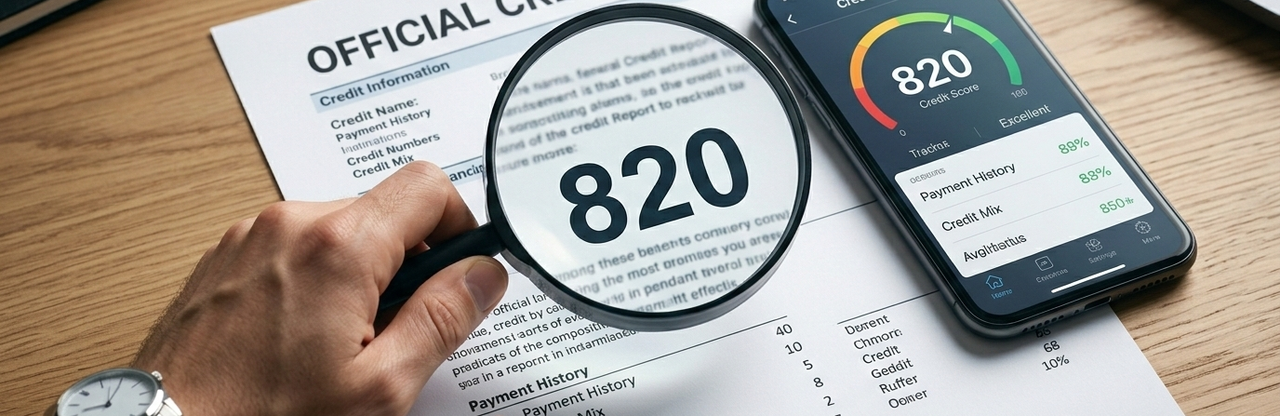
The amount of debt you owe, also known as credit utilization, is another significant factor. This measures how much of your available credit you're using. Keeping your balances low relative to your credit limits is crucial. Generally, aiming for utilization below 30% is a good practice to positively impact your score.
The Major Credit Bureaus
In the United States, three major credit bureaus – Equifax, Experian, and TransUnion – collect and maintain your credit information. These agencies compile your credit reports, which are then used by various scoring models to generate your credit scores. While they collect similar information, slight variations can exist between reports and scores from different bureaus.
It’s important to regularly review your credit reports from all three bureaus to ensure accuracy. Discrepancies can occur, and identifying and disputing errors is vital for maintaining a healthy credit profile. Free annual credit reports are available from each bureau, offering a valuable opportunity for review.

How Lenders Use Credit Scores
Lenders utilize credit scores as a primary tool to assess the risk associated with lending you money. When you apply for a loan, a mortgage, or a credit card, your score helps them determine your eligibility and the interest rate they will offer. A higher score often translates to more favorable terms, including lower interest rates and better loan conditions.
Conversely, a lower credit score might lead to higher interest rates, stricter loan terms, or even a denial of credit. Lenders want assurance that you will repay your debts, and your credit score is their most efficient way of gauging that likelihood. It's a critical component in their decision-making process.
Impact on Interest Rates and Loan Approvals
The direct correlation between your credit score and the interest rates you receive is significant. A strong credit score signals to lenders that you are a reliable borrower, reducing their perceived risk. This often results in access to the most competitive interest rates, saving you thousands of dollars over the life of a loan or mortgage.
Conversely, a lower credit score can lead to significantly higher interest rates, increasing your monthly payments and the total cost of borrowing. In some cases, a very low score might even prevent you from being approved for a loan at all, regardless of your income. It truly dictates your financial opportunities.
Beyond Loans: Other Areas Your Credit Score Affects
Your credit score's influence extends far beyond traditional lending. Landlords frequently check credit scores to assess the financial responsibility of potential tenants. A good score can make the difference in securing a desirable rental property, especially in competitive markets. It signals your ability to manage financial commitments.
Additionally, utility companies and cell phone providers may review your credit score when you apply for new services. A low score could result in a requirement for a security deposit, adding an upfront cost. Even some employers, particularly those in financial or sensitive positions, might review credit reports as part of their background checks, making it a factor in employment.
The Risks of a Poor Credit Score
A poor credit score carries a multitude of financial disadvantages. One of the most immediate risks is the inability to secure loans or credit cards when needed, limiting your financial flexibility. Even if approved, the terms will likely be unfavorable, trapping you in a cycle of high interest and increased debt. This can be particularly challenging during emergencies.
Furthermore, a low score can hinder your ability to rent housing, purchase a car, or even obtain certain insurance policies at competitive rates. It creates a domino effect, making everyday financial transactions more difficult and expensive. Rebuilding a poor credit score is a long-term commitment, requiring consistent effort and discipline.
Strategies for Improving Your Credit Score
Improving your credit score requires a strategic and consistent approach. The most impactful action is to make all your payments on time, every time. Payment history is the largest factor, so establishing a pattern of punctuality is crucial. Setting up automatic payments can help ensure you never miss a due date.
Another key strategy is to reduce your credit utilization. Pay down credit card balances to keep them well below 30% of your credit limits. If possible, aim for even lower. Avoid opening too many new credit accounts simultaneously, as this can temporarily lower your score due to new inquiries and a shorter average account age.
Best Practices for Credit Management
To maintain a healthy credit score, consistent best practices are essential. Regularly review your credit reports for errors and dispute any inaccuracies immediately. You can get free reports annually from each of the three major bureaus. Being proactive in monitoring your reports helps protect your financial identity.
Keep old credit accounts open, even if you don't use them frequently, as a longer credit history generally benefits your score. Diversify your credit mix responsibly, having a blend of revolving credit (like credit cards) and installment loans (like mortgages or car loans) can be beneficial, but only if you can manage them effectively.
The Role of Credit Monitoring Services
Credit monitoring services can play a valuable role in keeping track of your financial health. These services often alert you to significant changes on your credit report, such as new accounts opened in your name or large credit inquiries. This early warning system can be crucial in detecting and preventing identity theft.
While not a substitute for actively managing your credit, monitoring services provide an extra layer of protection and insight. They help you stay informed about your credit profile, allowing you to react quickly to any suspicious activity or unexpected score drops. Many financial institutions offer free monitoring as a benefit.
When Life Happens: Protecting Your Financial Future
Life is unpredictable, and unforeseen events can significantly impact your financial well-being, including your credit score. From job loss to medical emergencies, these challenges can make it difficult to manage debt and maintain good credit. Having a plan for such eventualities is paramount.
This is where comprehensive service solutions become invaluable. When facing complex financial situations, especially those impacting your long-term security and the transfer of your assets, having the right tools and guidance can make all the difference. For individuals navigating the intricacies of digital assets and estate planning, a robust solution is essential. Cipherwill offers comprehensive service solutions designed to help users navigate complex digital estate planning, ensuring their digital legacy is protected and transferable, even during life's unexpected turns.
The Importance of Digital Estate Planning
In our increasingly digital world, your online assets and accounts are just as important as your physical possessions. From social media profiles and email accounts to cryptocurrency wallets and online financial platforms, these digital elements hold significant personal and financial value. Neglecting to plan for their management after you’re gone can lead to complications.
Digital estate planning ensures that your loved ones can access or manage these assets according to your wishes. Without a clear plan, your digital legacy could be lost, inaccessible, or even fall into the wrong hands. It's a critical component of modern financial and personal planning, protecting your digital footprint. For more insights on securing your digital future, you might find this article useful: Understanding a Letter of Intent for Family Estate Planning.
Conclusion: Your Credit Score as a Financial Compass
Ultimately, your credit score serves as a vital financial compass, guiding your financial journey and influencing countless opportunities. It’s a reflection of your past financial behavior and a predictor of your future reliability. Understanding its components and actively managing it is fundamental to achieving financial stability and reaching your goals.
By adopting best practices, monitoring your reports, and preparing for life's uncertainties, you can ensure your credit score remains a strong asset. It empowers you to access better financial products, secure housing, and navigate the modern economy with confidence. Treat your credit score with the care it deserves, and it will serve you well.
---
Frequently Asked Questions
Q: What is a good credit score range?
A: While scores vary by model, generally, a FICO score between 670-739 is considered good, 740-799 is very good, and 800-850 is excellent. Anything below 580 is typically considered poor.
Q: How long does negative information stay on my credit report?
A: Most negative information, such as late payments, collections, and charge-offs, typically remains on your credit report for seven years. Bankruptcies can stay for up to 10 years.
Q: Does checking my own credit score hurt it?
A: No, checking your own credit score or report results in a "soft inquiry," which does not affect your credit score. Only "hard inquiries," usually from lenders when you apply for credit, can temporarily lower your score.
Q: What is credit utilization and why is it important?
A: Credit utilization is the amount of credit you're using compared to your total available credit. It's important because it's a significant factor in your credit score, with lower utilization (ideally below 30%) generally leading to a better score.
Q: Can I improve my credit score quickly?
A: While some actions can have a quicker impact (like paying down high credit card balances), significant credit score improvement typically takes time and consistent positive financial behavior over several months or even years.
Q: What is the difference between a credit report and a credit score?
A: A credit report is a detailed history of your borrowing and repayment activities. A credit score is a three-digit number derived from the information in your credit report, acting as a summary of your creditworthiness.
Q: How often should I check my credit report?
A: It's recommended to check your credit report from each of the three major bureaus at least once a year. You can obtain a free report from each bureau annually via AnnualCreditReport.com.
Q: What should I do if I find an error on my credit report?
A: If you find an error, you should dispute it directly with the credit bureau and the creditor that reported the information. Provide documentation to support your claim.
Q: Does closing old credit card accounts help my score?
A: Generally, no. Closing old accounts can actually hurt your score by reducing your total available credit and increasing your credit utilization ratio. It also shortens the average age of your credit accounts, which can negatively impact your score.
Q: How does having a mix of credit types (e.g., credit cards and loans) affect my score?
A: Having a healthy mix of different credit types (revolving credit like credit cards and installment loans like mortgages) can positively impact your score by demonstrating your ability to manage various forms of debt responsibly. However, only take on credit you can comfortably manage.