Choosing a low-maintenance indoor plant is less about finding one you can ignore forever and more about matching a plant to the way you actually live. If you work long hours or travel often, look for plants that tolerate dry soil, handle ordinary indoor light, and do not need a complicated feeding routine. You can enjoy the calm and character of greenery without the stress of constant upkeep.
A realistic approach also means resisting impulse purchases. Delicate tropical plants may look beautiful at the nursery, but they can struggle when blinds stay closed or a business trip runs long. Start with a plant that fits your home, schedule, and available light.
“The best plant for a busy person is one that can handle your least attentive weeks, not just your best intentions.”
What Frequent Travelers Should Look For
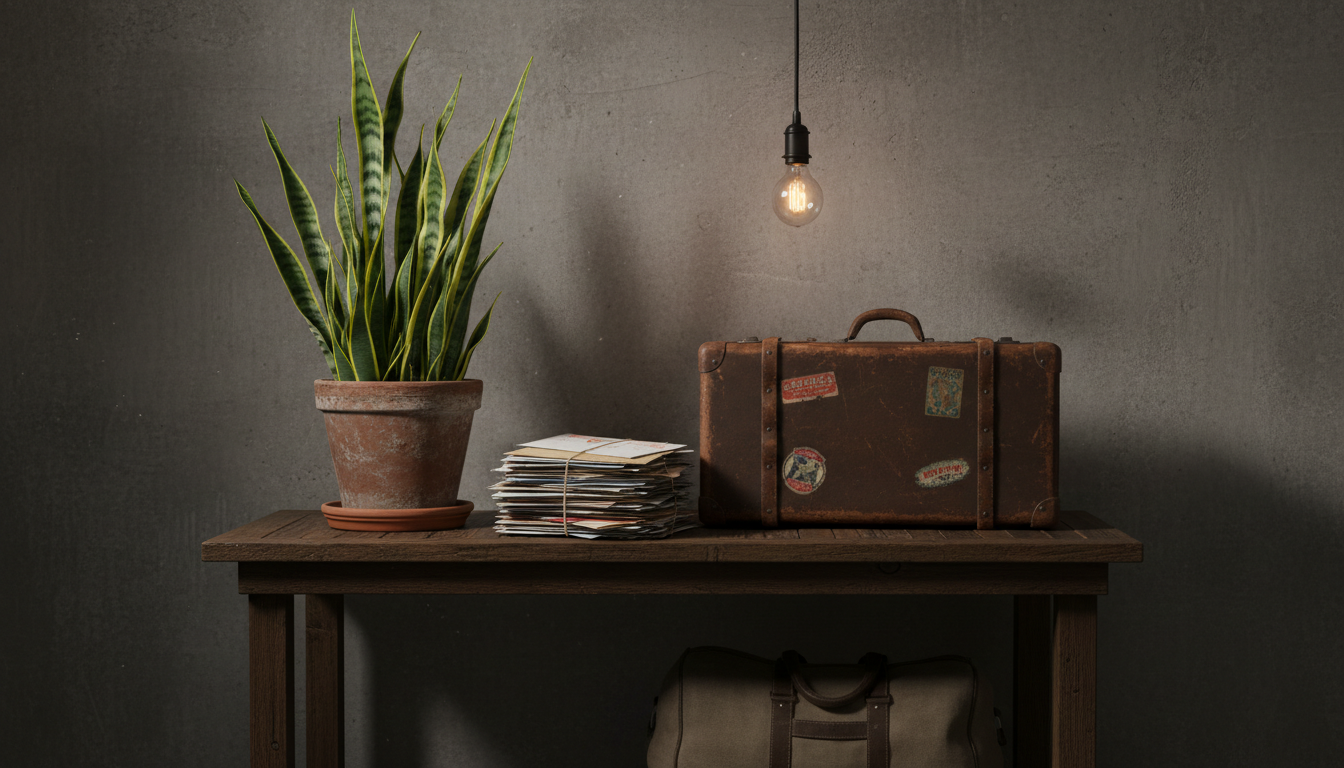
Marcus, a regional logistics director, came home after nearly three weeks away to find that his expensive Fiddle Leaf Fig had lost most of its leaves. On the same console, his Snake Plant looked just as healthy as when he left. The contrast taught him a useful lesson: a plant should suit your routine, not require you to change it completely.
Plants with thick leaves, water-storing roots, or naturally slow growth tend to be more forgiving. They still need appropriate light and occasional watering, but they are less likely to suffer during a busy week or an unexpected trip.
A Simple Plant-Selection Checklist
Before buying, take a quick look at the room where the plant will live. A few honest answers will narrow the choices quickly:
- Light: Is there bright indirect light, a dim corner, or only office-style LED lighting?
- Watering: Can you check the soil weekly, or do you need a plant that can go several weeks between drinks?
- Pets: If cats or dogs may chew the leaves, choose a plant listed as non-toxic by a trusted source such as the ASPCA.
- Space: Will a trailing plant suit a shelf, or do you need a compact desk plant or a tall floor plant?
For more ideas, browse these low-light indoor plants and compare their needs with your space.
10 Resilient Indoor Plants for Busy People
These ten plants are forgiving choices for people who occasionally forget to water or spend time away from home. No plant thrives on complete neglect, so use the watering guidance as a starting point and check the soil before adding more water.
1. Snake Plant (Dracaena trifasciata, formerly Sansevieria trifasciata)
Snake Plants are among the best choices for travelers. Their thick leaves store water, and they can handle low light, although brighter indirect light supports stronger growth. Let the soil dry fully before watering; in many homes, that may take several weeks. Their upright shape also works well in small modern spaces.
2. ZZ Plant (Zamioculcas zamiifolia)
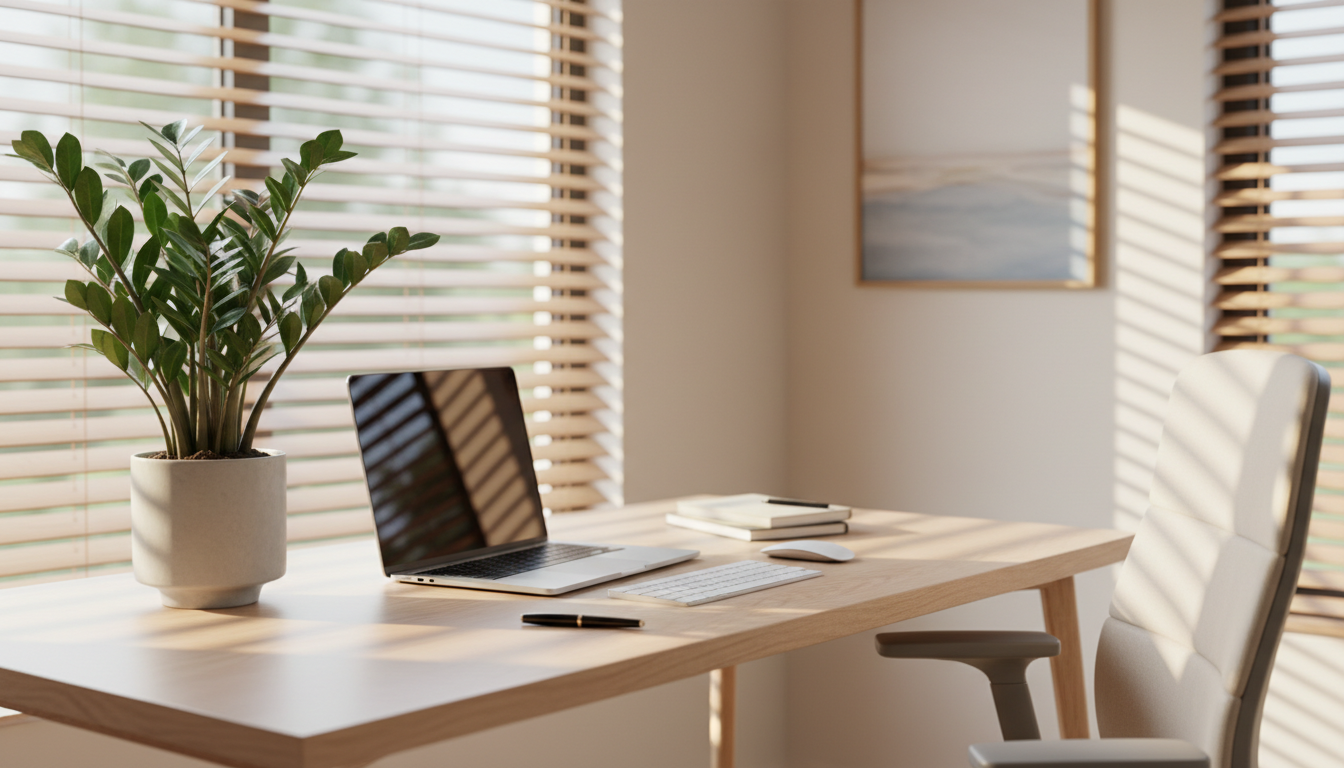
ZZ Plants store water in swollen underground rhizomes, which helps them cope with missed waterings. They are comfortable in low to medium indirect light and have glossy leaves that brighten a desk or office corner. Water only when the potting mix has dried well.
3. Golden Pothos (Epipremnum aureum)
Golden Pothos is a flexible trailing vine that grows in low to bright indirect light. Its leaves may droop when the soil is dry, providing a helpful reminder to water. Trim the vines when they become long, or let them spill from a shelf or hanging basket.
4. Cast Iron Plant (Aspidistra elatior)
The Cast Iron Plant is a slow-growing favorite for dim rooms and inconsistent care. It tolerates lower light, ordinary indoor temperatures, and periods of dry soil. Because it grows slowly, it also needs less frequent pruning and repotting than faster-growing plants.
5. Spider Plant (Chlorophytum comosum)
Spider Plants prefer moderate indirect light but adapt to many indoor settings. As they mature, they produce small plantlets that cascade from the parent plant. Water when the top inch or two of soil feels dry, and protect the plant from harsh afternoon sun.
6. Aloe Vera
Aloe Vera is a sun-loving succulent with thick leaves that hold moisture. Place it near a bright window and use a fast-draining mix. Allow the soil to dry completely between waterings; too much attention, especially too much water, is its biggest risk.
7. Chinese Evergreen (Aglaonema)
Chinese Evergreens bring silver, pink, or red markings to rooms with low or medium indirect light. They prefer lightly moist soil but can recover from an occasional missed watering. Keep them away from cold drafts and direct, intense sun.
8. Rubber Tree (Ficus elastica)
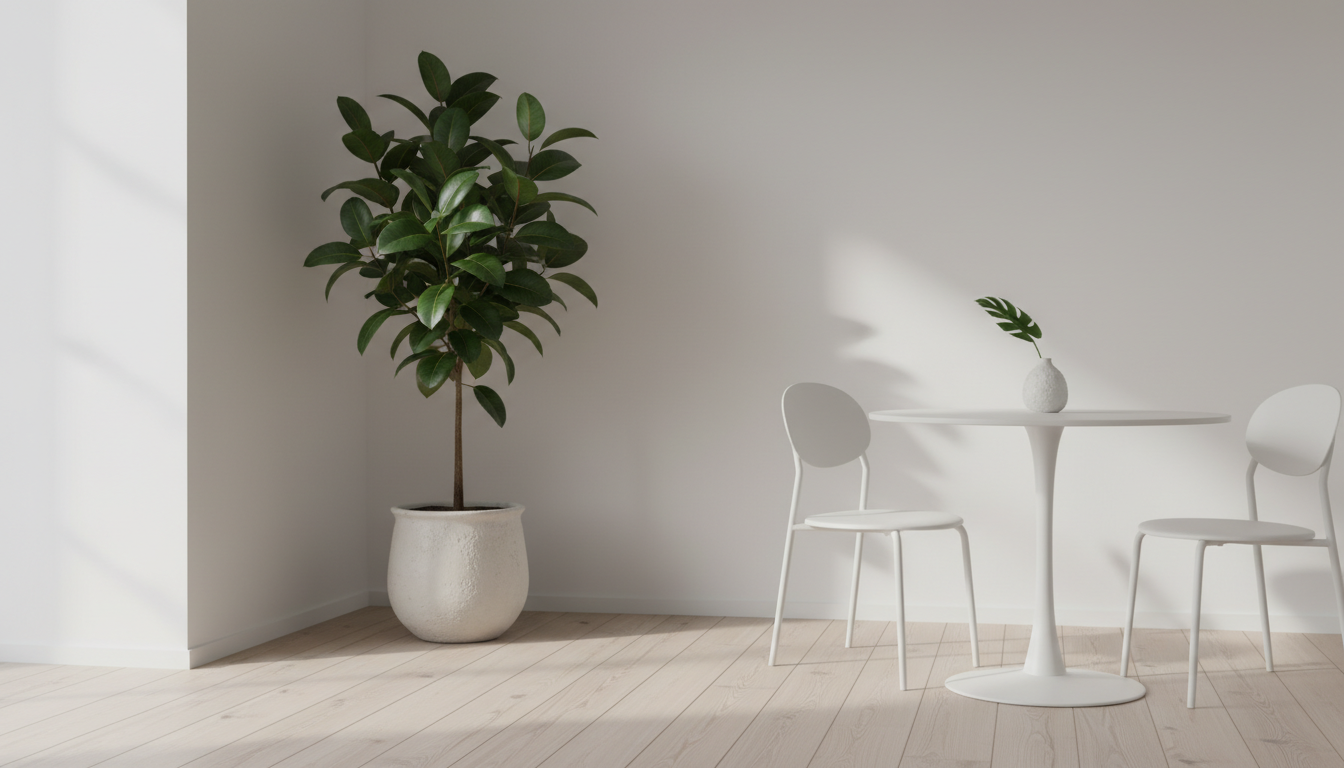
Rubber Trees make attractive floor plants and are easier to manage than many large-leaved tropicals. Give them bright, indirect light and let the top layer of soil dry before watering. Wipe dust from the broad leaves occasionally so the plant can continue to photosynthesize properly.
9. Jade Plant (Crassula ovata)
Jade Plants can live for many years on a sunny windowsill. Their fleshy leaves store water, so they prefer a thorough drink followed by a long dry period. Use a pot with drainage and avoid watering while the soil is still damp.
10. Peace Lily (Spathiphyllum)
Peace Lilies do well in low to medium indirect light and often droop noticeably when thirsty. That makes them useful for anyone who prefers a visible reminder. They recover from a missed watering, but they prefer soil that is lightly and consistently moist rather than completely dry for long periods.
Pet Safety Comes First
Several popular low-maintenance plants are not safe for pets. Snake Plant, ZZ Plant, Golden Pothos, Peace Lily, Aloe Vera, Chinese Evergreen, Rubber Tree, and Jade Plant can cause problems if chewed or swallowed. Symptoms vary, but may include mouth irritation, drooling, vomiting, or stomach upset.
Spider Plant and Cast Iron Plant are generally listed as non-toxic to cats and dogs by the ASPCA. Even non-toxic plants can cause mild stomach upset if eaten, so keep any plant out of reach when possible and check the ASPCA plant database before bringing a new variety home.
What Plants Can—and Cannot—Do for Indoor Air
The NASA Clean Air Study found that plants could remove some pollutants in sealed laboratory chambers. A typical home or office has much more air movement, so a few houseplants should not be treated as a replacement for ventilation, source control, or an air purifier.
Plants can still make a room feel calmer and more inviting. For measurable air-quality improvements, ventilate when appropriate, control dust, and use a properly sized filter when needed.
Making Plant Care Easier During Travel
When Marcus knew he would be away for several weeks, he left his house sitter, Elena, a short care sheet instead of relying on memory. The note listed each plant, its location, and what to check before watering.
The same habit can help with other parts of life: write down the information a trusted person may need while you are away and keep it somewhere secure. Cipherwill helps people organize important digital legacy and estate-planning information, while a simple printed plant sheet is enough for everyday home care.
Before a longer trip:
- Group carefully: Move plants together only if they have similar light and watering needs, and keep them away from hot direct sun.
- Water thoughtfully: Water plants that are genuinely dry before leaving, then let excess water drain fully.
- Leave clear notes: List the plant name, where it sits, how to check the soil, and what not to do.
Protect Floors and Rental Deposits
Use waterproof saucers under all pots to protect hardwood floors and rental deposits. Empty standing water after watering, and check the area beneath pots occasionally for leaks or moisture.
Common Maintenance Mistakes
- No drainage: Keep plants in nursery pots with drainage holes, even when using a decorative outer pot.
- Frequent small splashes: Water thoroughly when the soil is dry, then allow excess water to drain instead of adding a little every day.
- Same routine all year: Plants often use less water in winter or in low light. Check the soil rather than following a rigid calendar.
- Too much direct sun: Low-light plants can scorch near hot windows. Move them back or use filtered light when necessary.
At-a-Glance Plant Comparison
Use this table as a starting point. Watering needs vary with pot size, season, humidity, and light, so check the soil before watering. Toxicity information should also be confirmed with a current veterinary or plant-safety source.
| Plant | Light | Typical watering starting point | Pet safety |
|---|---|---|---|
| Snake Plant | Low to bright indirect | Every 3–6 weeks | Not pet-safe |
| ZZ Plant | Low to medium indirect | Every 3–6 weeks | Not pet-safe |
| Golden Pothos | Low to bright indirect | Every 1–3 weeks | Not pet-safe |
| Cast Iron Plant | Low to medium indirect | Every 2–3 weeks | Generally non-toxic |
| Spider Plant | Medium indirect | Every 1–2 weeks | Generally non-toxic |
| Aloe Vera | Bright light | Every 2–4 weeks | Not pet-safe |
| Chinese Evergreen | Low to medium indirect | Every 1–3 weeks | Not pet-safe |
| Rubber Tree | Bright indirect | Every 1–3 weeks | Not pet-safe |
| Jade Plant | Bright light | Every 2–4 weeks | Not pet-safe |
| Peace Lily | Low to medium indirect | About weekly, when surface dries | Not pet-safe |
Frequently Asked Questions
Question: What should I do before leaving my plants for a two-week trip?
Answer: Check each plant separately, water only those whose soil is dry, move them away from harsh direct sun, and leave simple instructions for whoever will check on them. Do not water every plant automatically.
Question: Can an office with no windows support houseplants?
Answer: Some plants can tolerate office LEDs, especially ZZ Plants, Snake Plants, and Pothos. They may grow slowly. If the lights switch off every evening or are too weak, add a small grow light on a timer.
Question: When is it time to repot a low-maintenance plant?
Answer: Repot when roots circle the container, emerge from drainage holes, or the plant dries out unusually quickly. Move up only one pot size and use fresh mix with good drainage. If the plant is healthy, there is no need to repot immediately after purchase.
Question: Do low-maintenance plants need fertilizer?
Answer: Most benefit from a balanced, diluted fertilizer once or twice during spring and summer. Skip feeding when the plant is stressed, newly repotted, or growing slowly in winter.
Question: What is an early sign of overwatering?
Answer: Persistently wet soil, yellowing leaves, fungus gnats, or a sour smell can signal a watering problem. Let the mix dry as appropriate for the plant and make sure the container drains freely.
By Cipherwill Editorial Team, Reviewed by Cipherwill Review Board, Trust & Security Review Team
Editorial contributor: Vedant Kulshreshtha
Review contributor: Nivaan Khattar