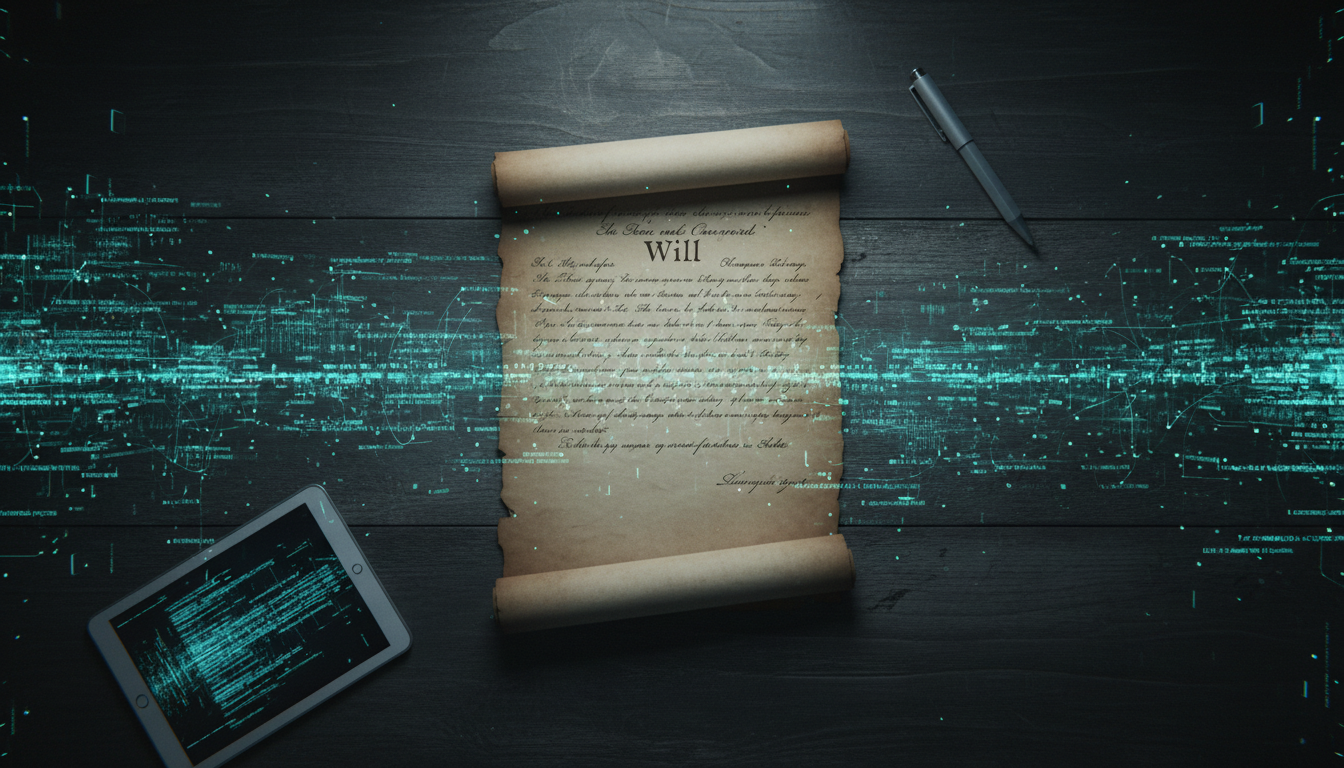
Billions of dollars in cryptocurrency, neobank accounts, and digital investments become difficult or impossible to claim each year because owners die without passing on the keys and credentials their families need. This is the problem of invisible inheritance. If your wealth spans several fintech platforms, a traditional paper will may establish ownership but still leave heirs unable to access the accounts. Two-factor authentication, biometric locks, recovery phrases, and private keys do not respond to a probate order. Digital estates need a separate continuity plan.
Modern portfolios rarely sit in one place. They may include decentralized finance protocols, centralized exchanges, mobile trading apps, and non-custodial wallets. Without a plan connecting these systems to the estate, families can know that wealth exists yet lack a practical way to recover it. Digital estate planning tools can help owners document the process without placing live credentials in a public will.

The Silent Apartment: A Modern Inheritance Failure
Marcus, a 34-year-old software architect, died unexpectedly while traveling for work. A week after the funeral, his sister Elena stood in his apartment, surrounded by a fingerprint-locked MacBook, two mobile devices, and a titanium plate etched with numbers in a locked drawer.
Marcus had spent five years investing through decentralized protocols and alternative-asset platforms. He valued self-custody and lower banking fees, but he had not documented how Elena could access the accounts. The devices stayed locked. Guessing a password could trigger a wipe, and the seed plate did not explain which wallet or platform it belonged to. Marcus had protected the assets from attackers, but he had not created a safe path for his family.
The Architecture of Erasure: Terms of Service and Dormancy
When an owner leaves no release plan, digital platforms follow their own procedures. Most systems cannot detect death. They measure logins, transactions, and other account activity.
If a neobank or investment platform sees no activity for 36 to 60 months, it may classify the account as dormant. Under state unclaimed-property rules, including guidance associated with the National Association of Unclaimed Property Administrators (NAUPA), a custodian may eventually transfer funds to the state. Some assets may be liquidated first, which can create tax and valuation issues for the estate. Rules vary by account type and jurisdiction.
Decentralized finance has no comparable state process. A blockchain does not know that an owner has died and does not contact heirs. Without the private key or an established recovery method, assets can remain permanently inaccessible.
Overlooked Operational Realities in Digital Inheritance
Even families that find an owner’s devices can face practical problems:
- The 2FA phone recycling threat: Canceling a phone plan may cause a number to be reassigned or deactivated. If an exchange still relies on that number for SMS 2FA, the estate may lose an important recovery path.
- Liveness verification loops: Branchless neobanks may require a user to turn their head or smile for identity checks. A death certificate does not make a deceased person available for a live video check.
- Hardware degradation: Cold-storage and multisignature devices may require working batteries, cables, firmware, or companion software. A device kept in poor conditions can fail or become difficult to use.
The Legal Disconnect: Why Probate Fails Digital Investors
A trust attorney can help establish ownership and distribution instructions, but legal planning does not guarantee technical access. Courts can appoint an executor; they cannot create a missing private key.
The Uniform Law Commission developed the Revised Uniform Fiduciary Access to Digital Assets Act (RUFADAA) to help fiduciaries request access to digital property. RUFADAA can provide legal authority and liability protection for a custodian that releases data. It cannot decrypt a device, unlock a self-custody wallet, or compel an overseas protocol to honor a court order.
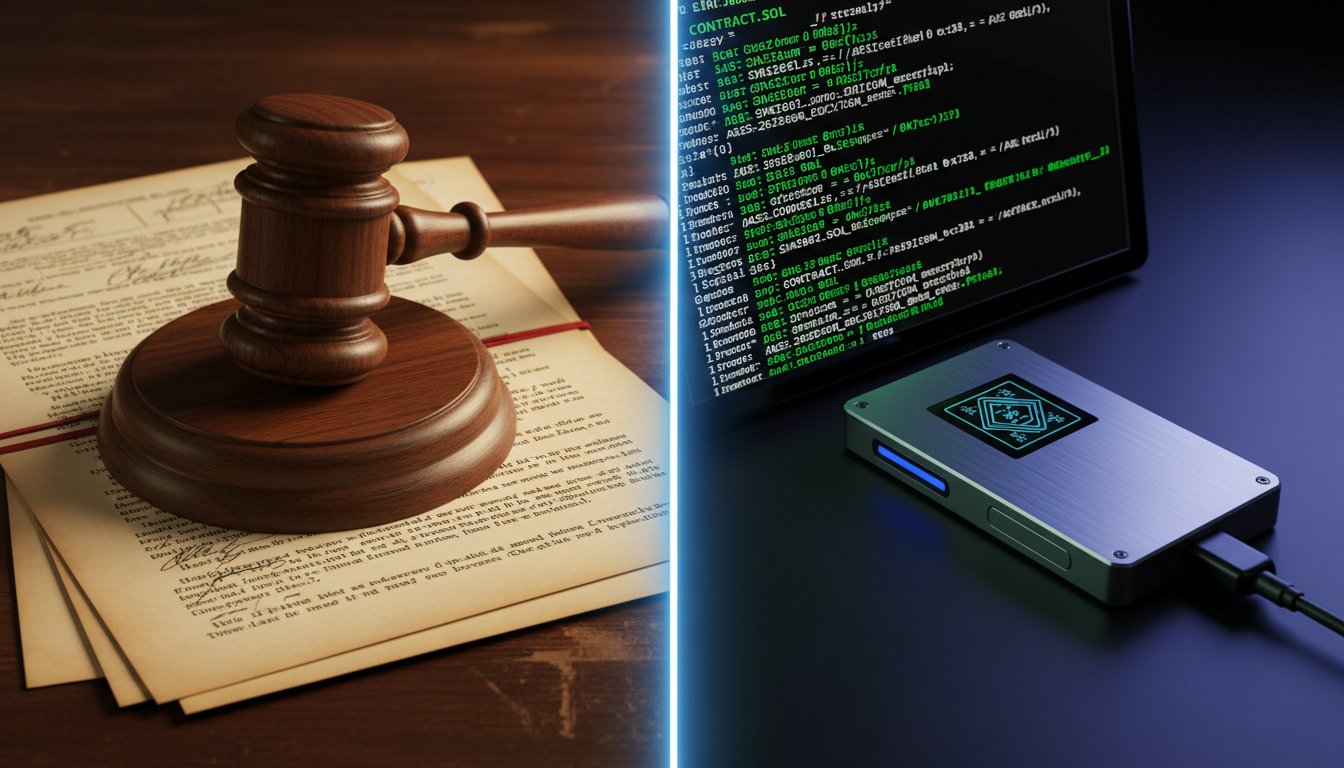
Meaningful Comparison: Traditional Probate vs. Cryptographic Access
Executors should separate legal ownership from technical recovery. The two processes often depend on different authorities.
| Operational Characteristic | Traditional Wealth (Bank/Stocks) | Digital / Crypto Wealth |
|---|---|---|
| Primary execution authority | Judges and financial institutions apply local law. | Platforms and protocols require account credentials or private keys. |
| Authentication bypassing | A bank may verify an executor and transfer funds. | A missing key or recovery factor may make access impossible. |
| Resolution timeline | Often measured in months through probate. | Immediate with the right access, or unavailable without it. |
| Asset abandonment risk | Funds may be transferred under unclaimed-property rules. | Self-custodied assets can remain dormant on the ledger. |
The Administrative Wall: Hitting the Limits of Legal Paper
Eight months later, Elena obtained a court order naming her executor of Marcus’s estate. She sent the order to his primary cryptocurrency exchange and requested access to the funds.
The exchange accepted the order but required a time-based authentication code from an app on Marcus’s encrypted device. Because the recovery factor was unavailable, the exchange could not complete the transfer. Nearly $240,000 remained inaccessible, a problem discussed in crypto estate planning failures.
Common Execution Mistakes Fiduciaries Make
Families can create new risks while trying to recover a digital estate:
- Listing primary passwords in public wills: Probate filings may become public. Do not place seed phrases or live passwords in a document that could expose them.
- Premature custody transfers: Giving beneficiaries active credentials too early reduces the owner’s control and increases the chance of loss or misuse.
- Ignoring basis records: The Internal Revenue Service expects estates and beneficiaries to maintain records for digital-asset transactions and cost basis. A recovery plan should include the relevant tax history.
- Relying on one safe-deposit box: A bank may restrict access after a death is reported. If the only backup is inside the box, heirs may not be able to retrieve it when needed.
Building a Cryptographic Digital Continuity Framework
A workable plan combines legal instructions, secure storage, and a tested process for releasing information. It should not place unencrypted keys in a paper file.
The Implementation Checklist
- Audit the digital footprint: Record the locations of hardware wallets, authenticators, backup devices, and relevant accounts.
- Separate legal documents from technical access: Use an attorney for the estate structure, but keep live keys and passwords out of the will and law firm’s ordinary files.
- Use a monitored release process: Consider encrypted escrow that checks for regular owner activity and releases instructions only after defined verification steps.
- Review cross-border obligations: Account for tax and reporting rules when assets or beneficiaries span countries, as described in these digital nomad inheritance traps.
- Educate beneficiaries: Make sure recipients can use the wallet, complete a test transaction, and follow the recovery instructions before they need them.
A Practical Approach to Digital Continuity
The goal is not to replace legal advice or probate. It is to connect the legal plan to the technical steps an heir must take. That means documenting accounts, protecting credentials, preparing beneficiaries, and testing the recovery process while the owner can still correct errors.
Services such as Cipherwill are designed to organize this continuity process. Cipherwill can help users store encrypted instructions and account information, identify beneficiaries, and define checks for releasing the information. The platform is intended to keep sensitive details protected while providing a controlled handover after verified inactivity or another chosen trigger. As with any estate plan, users should review the setup with qualified legal and tax professionals.
Frequently Asked Questions
Question: What exactly defines an invisible inheritance?
Answer: It is digital wealth that exists but is not documented or technically accessible to the intended heirs. Examples include cryptocurrency, neobank balances, and digital investments.
Question: Can a judge simply force my crypto exchange to unlock my funds if I die?
Answer: A court can appoint an executor and order a custodian to recognize that person’s authority. The exchange may still require available 2FA or other identity checks. A court order cannot create a missing recovery factor.
Question: What is the escheatment process for abandoned digital bank accounts?
Answer: After a period of inactivity, often three to five years, a custodian may report and transfer unclaimed funds under state law. Some investments may be liquidated before transfer. The timing and treatment depend on the account and jurisdiction.
Question: How does RUFADAA specifically help families manage digital assets?
Answer: RUFADAA gives qualifying fiduciaries a legal framework for requesting access to digital records. It may protect a custodian that releases information in accordance with the law. It does not bypass encryption or recover a missing blockchain key.
Question: Should I put my cryptocurrency long-form seed phrase inside my standard physical will?
Answer: No. Wills may become accessible during probate, so a seed phrase could be exposed. Keep the phrase in secure storage and use the will to identify the plan, not to publish the key.
Question: What actually happens if my fiduciary’s phone number abruptly changes before I die?
Answer: A recovery process that depends on one phone number may fail if that number is disconnected or reassigned. Keep contact details current and provide an alternate verification method. Test the process regularly.
Question: Can the IRS apply taxation to digital assets that my intended heirs cannot physically access?
Answer: Potentially, yes. Tax treatment depends on ownership, valuation, and the circumstances of the transfer. Inaccessibility does not by itself determine whether an asset belongs in the estate or whether reporting is required, so consult a tax professional.
Question: Why shouldn’t I merely distribute my unencrypted hardware passwords to my family right now?
Answer: Sharing active credentials too early increases the risk of theft, accidental loss, and localized device infections on untrusted computers. Use encrypted storage, limit access, and give beneficiaries clear instructions without exposing the credentials before they are needed.
By Cipherwill Editorial Team, Reviewed by Cipherwill Review Board, Trust & Security Review Team
Editorial contributor: Samarjeet Vohra
Review contributor: Ishani Debroy