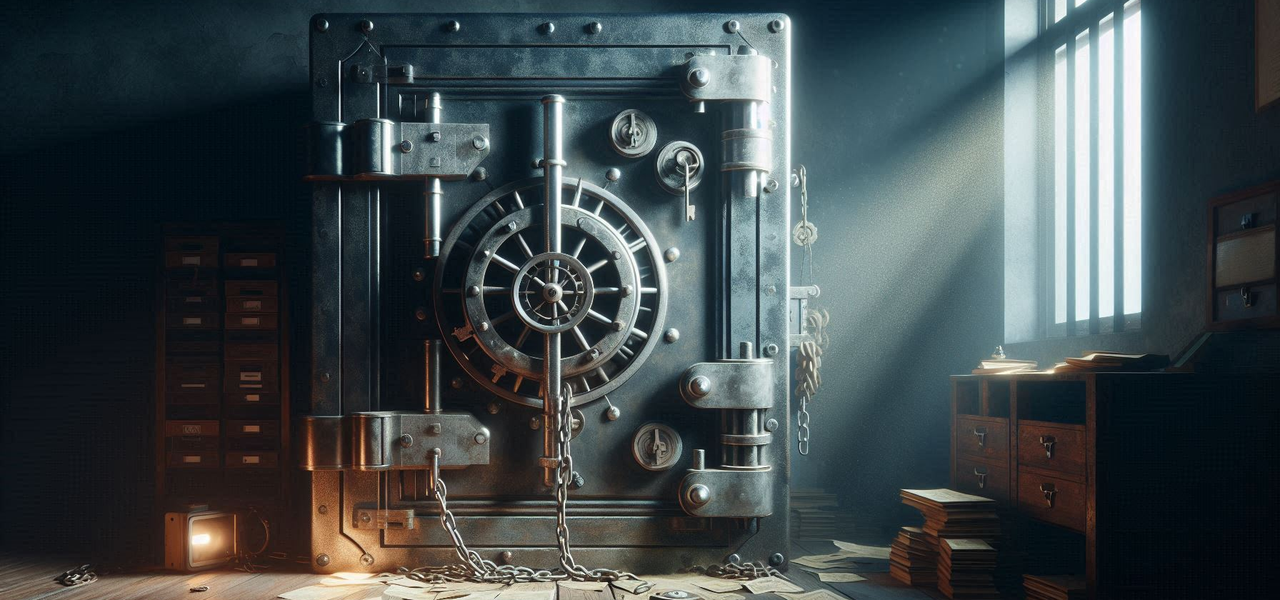
In an increasingly digital world, the notion of securing our most valuable information, assets, and even our digital identities has become paramount. We meticulously set up strong passwords, enable two-factor authentication, and encrypt sensitive documents, all with the commendable goal of protecting ourselves from unauthorized access and cyber threats. This emphasis on robust security measures is undoubtedly crucial for safeguarding our present.
However, this very dedication to locking everything down, while effective for immediate protection, inadvertently creates a complex and often overlooked challenge for the future. The same walls we build to keep intruders out can, under certain circumstances, also prevent legitimate access when it's most needed, leading to significant complications and distress for our loved ones and beneficiaries. The paradox lies in the fact that our best security practices today can become tomorrow's impenetrable barriers.
The Paradox of Digital Secrecy
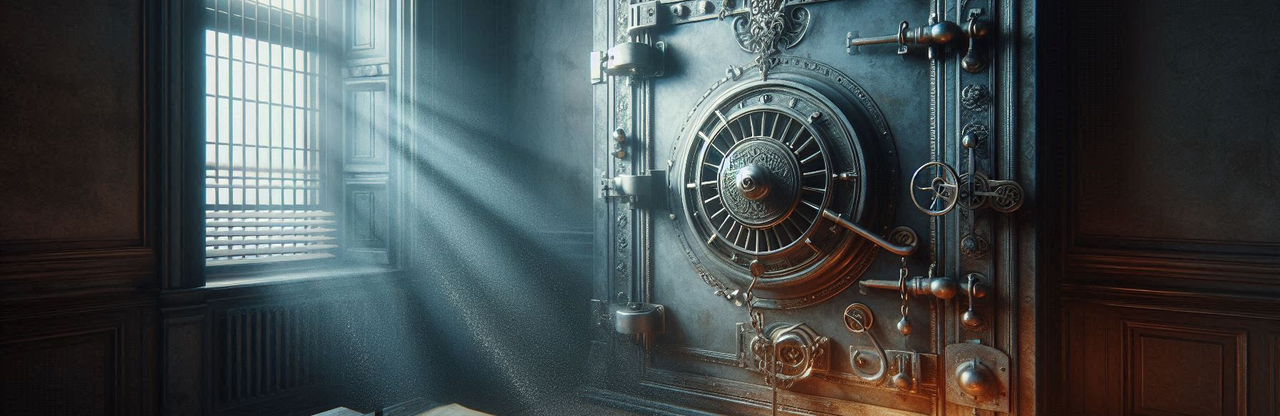
The digital age has ushered in an era where much of our lives, from financial records to cherished memories, exists behind layers of digital protection. This digital fortress, while essential for privacy and security, presents a unique dilemma when unforeseen events occur. What happens to these digital assets and accounts when the primary user is no longer able to provide access?

This isn't merely about forgotten passwords; it's about a fundamental shift in how we manage our legacies. Unlike physical possessions that can be easily located and transferred, digital assets are often intangible and inaccessible without specific credentials. The very systems designed to protect us can inadvertently become obstacles.
The Emotional and Financial Toll on Loved Ones
The inability to access a deceased loved one's digital accounts can inflict significant emotional distress during an already difficult time. Families might be locked out of sentimental photo albums, email accounts holding vital communications, or social media profiles that serve as digital memorials. This digital inaccessibility prolongs grief and prevents closure.
Beyond the emotional impact, there are tangible financial consequences. Unaccessed online banking accounts, investment portfolios, cryptocurrency wallets, or even subscription services can lead to financial loss or continued charges. The task of identifying and then attempting to access these accounts becomes a bureaucratic nightmare, adding stress to an already burdened family.
Legal and Administrative Hurdles
Navigating the legal landscape surrounding digital assets is a complex and often frustrating endeavor. Laws vary significantly across jurisdictions and are often slow to catch up with technological advancements. Obtaining court orders to access digital accounts can be a lengthy, expensive, and emotionally draining process for grieving families.
Service providers often have strict terms of service agreements that prioritize user privacy, even after death. This means that even with legal documentation, gaining access might still prove difficult or impossible. The lack of clear legal frameworks for digital inheritance leaves many families in a state of limbo, unsure of their rights or recourse.
The Risk of Irretrievable Loss
Perhaps the most profound risk of keeping everything locked is the permanent loss of invaluable digital content. This could include irreplaceable family photos and videos stored only in cloud services, personal creative works, or historical documents existing solely in digital format. Without access, these digital treasures can vanish forever.
Cryptocurrency holdings represent a particularly high-stakes example. If access keys or recovery phrases are not securely and accessibly shared, multi-million dollar fortunes can become permanently inaccessible. The digital realm offers no physical safe deposit box to pass down; the keys are purely informational and easily lost or forgotten.
The Challenge of Digital Estate Planning
Traditional estate planning primarily focuses on physical and financial assets. However, the concept of a "digital estate" is relatively new and often overlooked. It encompasses everything from social media profiles and email accounts to cloud storage, cryptocurrencies, and even online gaming assets. Planning for these requires a different approach.
Many individuals simply don't consider the need to plan for their digital assets, assuming that their traditional will covers everything. This oversight leaves a significant gap, creating a potential minefield for their heirs. The complexity of digital asset types and access methods necessitates a dedicated and detailed plan.
Strategies for Proactive Digital Legacy Management
To mitigate these risks, proactive digital legacy management is essential. This involves identifying all digital assets, documenting access information, and creating a clear plan for their transfer or deletion. It's not about compromising security but about establishing a secure and controlled method for future access.
One effective strategy is to utilize secure password managers that can share credentials under specific conditions, such as after a designated waiting period or upon verification of a death certificate. Regularly updating this information is crucial to ensure its continued accuracy and effectiveness.
Best Practices for Securing Your Digital Future
Implementing best practices for digital estate planning can significantly ease the burden on your loved ones. Start by creating an inventory of all your digital accounts, including usernames, strong passwords (stored securely), and details about what each account contains. This comprehensive list is the foundation of your digital legacy plan.
Consider using a digital vault service that specializes in secure storage and controlled release of sensitive information to trusted individuals. These services often offer robust encryption and protocols to ensure that your data is protected while also being accessible when needed.
- Create a Digital Asset Inventory: List all online accounts, cryptocurrencies, cloud storage, and significant digital files.
- Document Access Information: For each asset, note usernames, URLs, and where passwords are securely stored (e.g., a password manager).
- Designate Digital Executors: Appoint trusted individuals who will be responsible for managing your digital assets.
- Utilize Secure Password Managers: Employ tools that can securely store and, if necessary, share credentials with designated individuals.
- Establish Clear Instructions: Provide explicit instructions for each digital asset – whether it should be deleted, archived, or transferred.
- Review and Update Regularly: Digital assets and accounts change frequently, so periodically review and update your plan.
The Role of Technology in Digital Inheritance
Technology, which creates these digital access challenges, also offers solutions. Specialized platforms and services are emerging to help individuals plan and manage their digital legacies. These tools provide secure environments for storing critical information and mechanisms for its controlled release to designated beneficiaries.
These platforms often integrate with legal frameworks, allowing users to specify beneficiaries and conditions for access, much like a digital will. They offer a structured approach to a problem that was once entirely ad-hoc and fraught with uncertainty.
Cipherwill: A Comprehensive Solution
When facing the complexities of digital estate planning, finding a reliable and comprehensive service is paramount. Many individuals struggle with how to inventory their vast array of digital assets, ensure their security, and guarantee their accessibility to loved ones without compromising their privacy while alive. This is where a dedicated solution becomes invaluable.
Cipherwill stands out as a comprehensive service solution designed to address these very challenges, offering peace of mind by securely managing your digital legacy. It provides a structured platform for cataloging digital assets, storing credentials securely, and establishing clear instructions for their future management. Cipherwill simplifies the daunting task of digital estate planning, ensuring your digital footprint is handled according to your wishes, and preventing the hidden risks associated with keeping everything locked away and inaccessible.
Integrating Digital Assets into Traditional Estate Planning
While specialized digital legacy services are crucial, it's also important to integrate digital asset considerations into your broader traditional estate plan. Your will should explicitly reference your digital assets and the specific instructions you've provided elsewhere. This ensures legal recognition and reinforces your wishes.
Consult with an estate planning attorney who understands the nuances of digital inheritance. They can help you draft legal documents that acknowledge your digital executor and provide guidance on how to legally empower them to act on your behalf, navigating jurisdiction-specific laws.
Real-World Implications and Case Studies
Consider the case of a prominent cryptocurrency investor who passed away unexpectedly without a clear plan for their substantial digital holdings. Despite their family being aware of the assets, without the private keys or access credentials, those millions in digital currency became permanently lost, a stark reminder of the financial consequences.
Another example involves a family struggling to access their deceased mother's cloud storage, which contained years of family photos and videos. The service provider's strict privacy policy, combined with the lack of a digital will, meant these cherished memories were almost lost forever, adding immense emotional distress to their grief. For more insights on digital collectibles and inheritance, you might find this Cipherwill blog post helpful: NFTs and Digital Collectibles: Who Inherits Them?.
The Future of Digital Legacy
As our lives become increasingly intertwined with the digital realm, the importance of digital legacy planning will only grow. Future generations will likely have an even larger and more complex digital footprint, making proactive planning an absolute necessity. The legal and technological landscapes will continue to evolve, hopefully offering more streamlined solutions.
The conversation needs to shift from merely securing our digital lives to thoughtfully planning for their future accessibility. It's about empowering our loved ones, ensuring our wishes are honored, and preventing the unintended consequences of our digital security measures from becoming a burden or a source of irretrievable loss.
Conclusion: Unlocking Peace of Mind
Ultimately, the goal isn't to weaken our digital security but to create a bridge between robust protection and necessary accessibility. By acknowledging the hidden risks of keeping everything locked without a plan, we can take proactive steps to safeguard not just our data, but also our legacy and the well-being of those we leave behind.
Digital legacy planning is an act of foresight and care, ensuring that our digital lives, like our physical ones, can be transitioned smoothly and respectfully according to our intentions, providing peace of mind for both ourselves and our beneficiaries.
---
Frequently Asked Questions
Q: What exactly constitutes a "digital asset" in the context of estate planning?
A: A digital asset encompasses any electronic record with value or meaning, including online accounts (email, social media, banking, shopping), cloud storage (photos, documents), cryptocurrency holdings, domain names, intellectual property stored digitally, and even online gaming accounts or digital collectibles like NFTs.
Q: Why can't my executor simply use my traditional will to access my digital accounts?
A: Traditional wills primarily deal with tangible assets and often lack the specific clauses or legal authority required for digital assets. Furthermore, service providers' terms of service agreements and privacy laws often prevent third-party access, even with a will, requiring specific legal language or a digital estate plan.
Q: Is it safe to share my passwords with someone, even an executor?
A: Directly sharing passwords is generally not recommended due to security risks. Instead, use secure methods like a reputable password manager with emergency access features or a dedicated digital legacy platform that allows for controlled and conditional release of credentials to designated individuals.
Q: What happens to my cryptocurrency if I don't plan for it?
A: Without a clear plan, private keys, or recovery phrases, cryptocurrency holdings can become permanently inaccessible. Unlike traditional bank accounts, there's no central authority to appeal to for access, meaning the digital currency is effectively lost forever.
Q: Are there legal precedents for digital inheritance?
A: The legal landscape is still evolving. Some jurisdictions have enacted specific laws like the Revised Uniform Fiduciary Access to Digital Assets Act (RUFADAA) in the US, but coverage is not universal, and interpretation can vary. It's crucial to consult with an attorney knowledgeable in digital estate law.
Q: Can I just put my digital asset information in a physical safe deposit box?
A: While better than nothing, a physical safe deposit box might not be sufficient. It doesn't account for dynamic passwords or two-factor authentication, and it requires someone to know the box exists and how to access it. A digital solution offers more flexibility and security.
Q: How often should I update my digital legacy plan?
A: It's recommended to review and update your digital legacy plan at least annually, or whenever there are significant changes to your digital footprint (e.g., new accounts, large cryptocurrency investments, changes in relationships). This ensures all information remains current and accurate.
Q: What if I don't want my loved ones to access certain private digital content?
A: A robust digital legacy plan allows you to specify what should be deleted, what should be archived, and what should be shared. You can provide clear instructions for each digital asset, ensuring your privacy preferences are respected even after your passing.
Q: How do digital legacy services ensure the security of my information?
A: Reputable digital legacy services employ advanced encryption, multi-factor authentication, and robust security protocols to protect your data. They often have strict access policies, only releasing information under predefined conditions and after verifying the identity of the beneficiary.
Q: What is the first step I should take to start planning my digital legacy?
A: The very first step is to create a comprehensive inventory of all your digital assets. This includes identifying every online account, digital file, and cryptocurrency holding you possess. Once you have this list, you can begin to consider how each item should be handled.