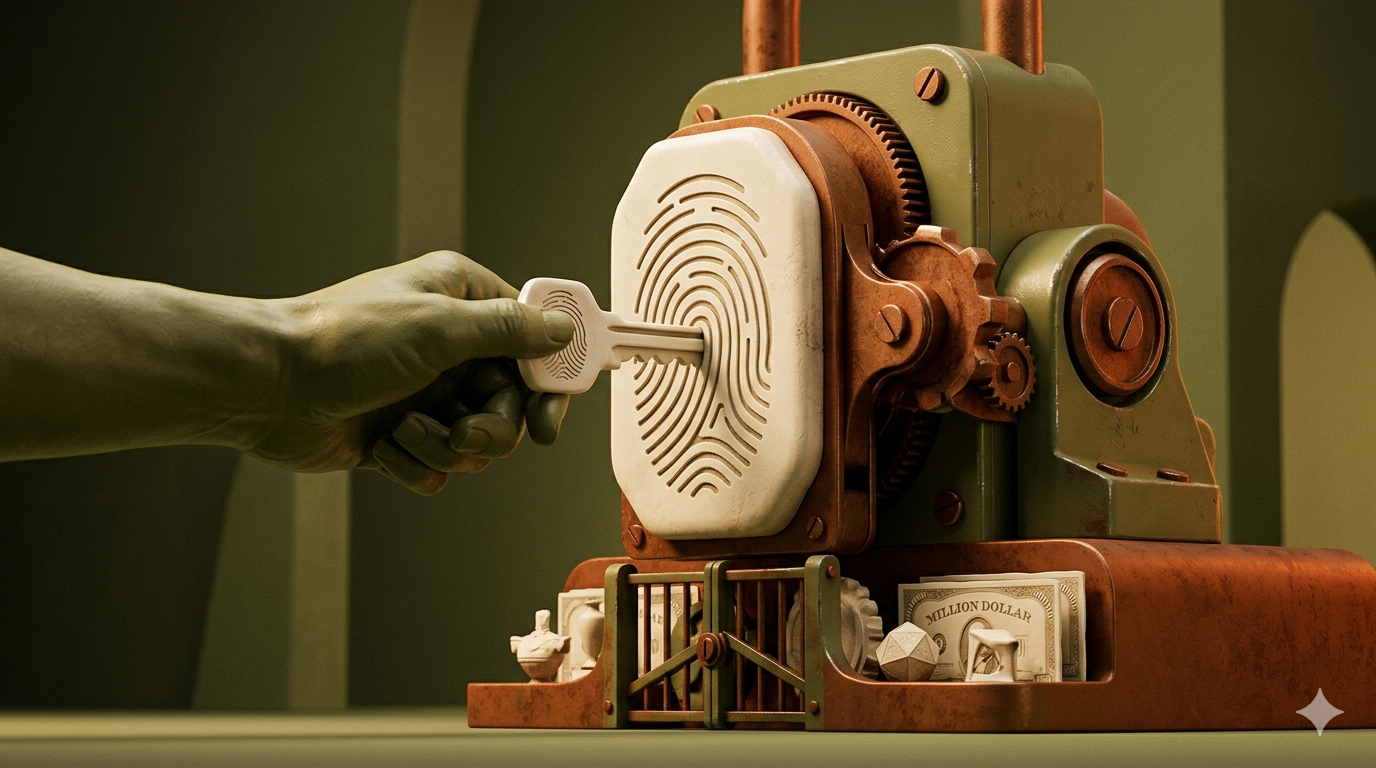
In a world where digital assets can be worth millions, a simple fingerprint scan or a missed line in a platform’s Terms of Service can lock an entire inheritance away forever. According to research from the Institute for Successful Longevity at Florida State University, the lack of proactive planning often leaves families unable to access the digital lives of their loved ones. If you own a monetized YouTube channel, online patents, or virtual world property, your heirs are at risk of losing everything to biometric lockouts and legal technicalities. This guide explains how to identify these traps and provides a clear path for inheriting digital intellectual property without the common heartbreaks.
By Cipherwill Editorial Team, Digital Legacy Research Desk Reviewed by Cipherwill Review Board, Trust & Security Review Team Last reviewed: April 2026 Editorial contributor: Iraan Qureshi Review contributor: Reyansh Mehta
Legal and Accuracy Caution: The laws governing digital assets, AI likeness, and posthumous privacy are evolving rapidly and vary significantly by jurisdiction. Platform terms of service and corporate policies are subject to change without notice. This guide provides general information and should not be construed as specific legal or financial advice. Always consult with a qualified professional in your specific region regarding digital estate planning.
Inheriting Digital Intellectual Property: A Comprehensive Guide to Securing Virtual Legacies
When you pass down a house, the deed is recorded in a local government office. When you pass down a car, the title is physical. Digital Intellectual Property (IP), however, exists in a "gray zone" of law and code. It is often governed more by private contracts with tech giants than by traditional inheritance laws.
The Invisible Wealth: Why Digital IP is Different from Physical Assets
Digital IP includes everything from the source code of a SaaS business to the trademarked brand of a social media influencer. It also covers online patents-proprietary algorithms, digital designs, or unique processes registered with global bodies but managed through digital portals. Unlike a physical book, digital IP often requires ongoing maintenance, hosting fees, and active credentials to remain valuable.
The Fragility of Online Ownership Rights
Ownership rights online are surprisingly fragile. Most people do not "own" their accounts; they license them. If the account holder dies, many platforms view the license as terminated. Without a specific strategy for inheriting digital intellectual property, these assets can disappear the moment a platform detects a change in user behavior or an expired credit card. This is why Digital Wills As A Gift Leaving Memories Not Just Money is becoming a vital concept for modern creators.
Mistake 1: Ignoring the Platform’s Terms of Service (ToS) for Monetized Channels
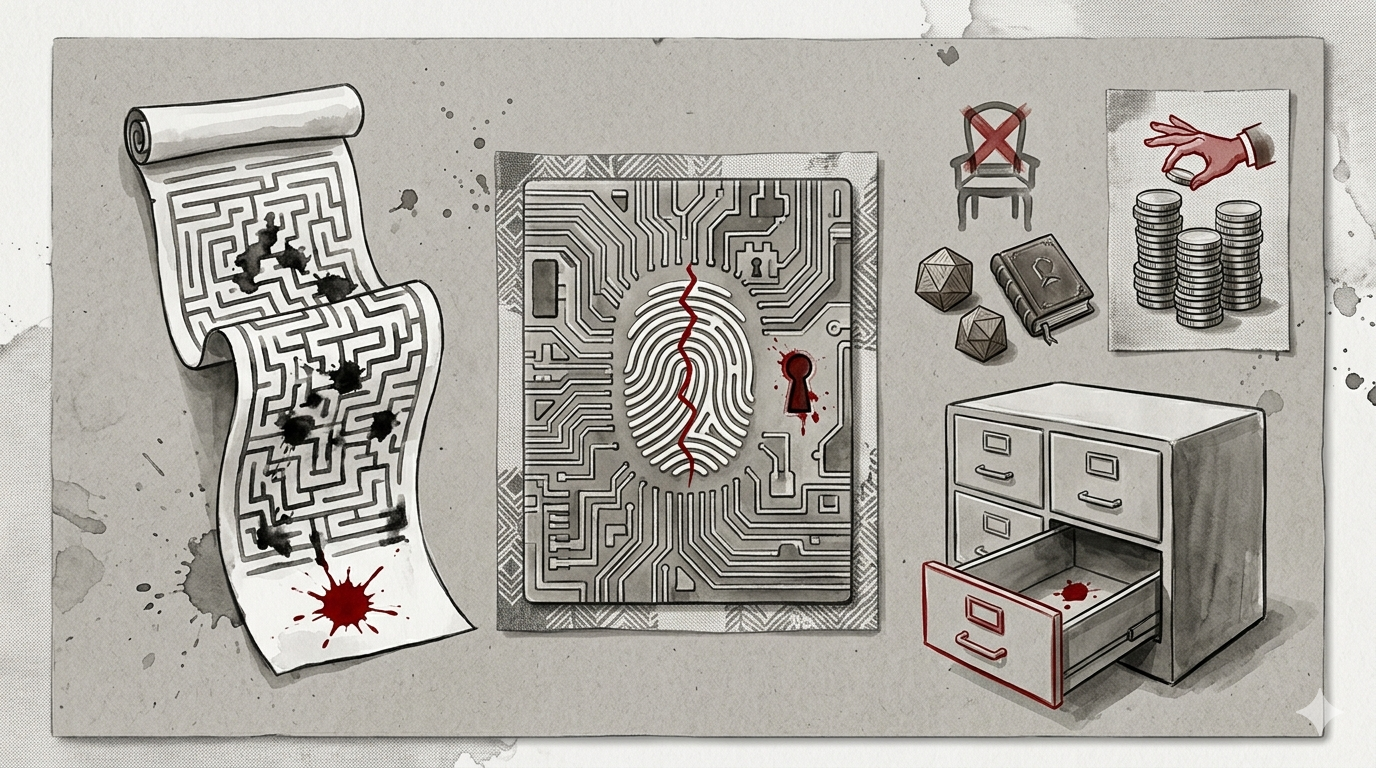
Many creators assume that because they built a business on a platform, they own the right to pass it on. This is one of the most dangerous digital estate planning mistakes.
The YouTube and AdSense Transfer Nightmare
Transferring monetized YouTube channel ownership is not as simple as giving your child the login. YouTube’s Terms of Service and Google AdSense policies are notoriously strict. AdSense accounts, which hold the actual revenue, are generally non-transferable. If an heir tries to take over a channel without following the platform's specific "Legacy Contact" or "Brand Account" transfer protocols, the account may be flagged for suspicious activity and permanently demonetized.
Why 'Handing Over Passwords' Isn't Legal Succession
Logging into someone else's account-even if they are a deceased parent-can technically violate the Computer Fraud and Abuse Act (CFAA) or similar global statutes. It also violates the ToS of most major platforms. To ensure a legal handover, you must use the platform's internal tools (like Google’s Inactive Account Manager) in conjunction with a formal will that names a digital trustee for online patents and media assets.
Mistake 2: The Biometric Dead-End in Hardware Security
We have moved toward a world of "passwordless" security. While FaceID and TouchID make our lives easier, they create a brick wall for heirs.
The Failure of FaceID and Fingerprint Access for Heirs
If your digital IP is stored behind a device that only opens with your retina or fingerprint, your heirs are in trouble. Law enforcement and tech companies rarely assist in bypassing biometric locks for estate purposes. This leads to the "biometric trap" where a million-dollar patent portfolio or a crypto-wallet is lost because the physical body of the owner is no longer there to unlock the hardware.
Planning a Hardware Security Module (HSM) Handover
For high-value assets, many professionals use a Hardware Security Module (HSM) or a physical security key (like a YubiKey). Inheriting biometric data access is nearly impossible, but handing over a physical HSM with a known PIN is achievable. Owners must document where these keys are kept and ensure the PIN is stored in a secure, offline location or a specialized digital vault. Understanding Dead Mans Switches In The Digital Age What You Need To Know can help automate the release of these sensitive PINs to the right person at the right time.
Mistake 3: Failing to Appoint a Specialized Digital Trustee
A traditional executor knows how to sell a house or close a bank account. They often have no idea how to manage a GitHub repository or renew a domain name that holds a valuable online patent.
Why Traditional Executors Struggle with Online Patents
Online patents and trademarks require periodic filings and "evidence of use." If an executor doesn't know these assets exist, or doesn't know how to access the USPTO (United States Patent and Trademark Office) electronic filing system, the patent can lapse. A digital trustee for online patents is someone with the technical literacy to maintain these assets during the probate process.
The Role of a Digital Guardian for Minor Children’s Assets
If a content creator dies and leaves their digital empire to a child, the legal complexity doubles. Digital guardianship for minor children involves managing the income from YouTube, Twitch, or Patreon while ensuring the child’s privacy and likeness are protected. Without a named digital guardian, the court may appoint a generic representative who might accidentally delete or mismanage the digital IP.
Mistake 4: Underestimating Virtual World Asset Tax Implications
Virtual worlds (the Metaverse) and high-value gaming accounts are no longer "just games." They are financial portfolios.
IRS Views on High-Value In-Game Currencies
The IRS and other tax authorities increasingly view "in-game" assets as taxable property. If you own "land" in a virtual world or a massive stockpile of liquidable in-game currency, these are virtual world asset tax implications that heirs must face. Failure to report these can lead to audits and heavy penalties.
Valuing Rare Digital Collectibles for Probate
How do you value a one-of-a-kind digital skin or a rare NFT? Unlike a stock with a clear ticker price, digital IP valuation is subjective. Heirs often fail to get these assets appraised, leading to a "leaking" estate where value is lost to taxes or poor sales. As noted in Your Living Trust Is Leaking Why Virtual Assets Are The New Probate Trap, virtual assets often bypass the protections of a standard trust if they aren't specifically titled.
Mistake 5: Lack of a Centralized Digital IP Inventory
The biggest reason digital IP is lost isn't a hack or a lawsuit-it's silence. If the heirs don't know an asset exists, they can't claim it.
The Risk of Abandoned Domains and Expired Patents
A domain name that hosts a profitable SaaS business might cost only $20 a year. If the auto-renewal fails because the owner's credit card was canceled upon death, the domain goes back to the open market. Within days, a "squatter" can buy it, effectively killing the business. This is why digital IP succession planning must include a live inventory of all expirables.
How Data Loss Destroys Digital Legacies
Digital IP is often stored in the cloud. If subscription fees aren't paid, services like AWS, Google Cloud, or Dropbox may delete the data after 30 to 60 days. Once that data is purged, the intellectual property is effectively destroyed. A Digital Will Template What To Put And What To Skip Simple can help you organize these accounts before it's too late.
Scenario: Startup Founder with Proprietary Cloud Code
Consider a startup founder who has developed a unique AI algorithm. The code is stored in a private GitHub repository, and the patent is managed through a portal secured by two-factor authentication (2FA) tied to the founder's phone.
If the founder passes away suddenly:
- The Phone Lock: The family cannot get past the FaceID on the founder's phone to receive the 2FA codes.
- The Repository: GitHub's standard policy may prevent the family from accessing private code without a court order, which takes months.
- The Result: By the time the family gets access, the "first-to-market" advantage of the algorithm is gone, and the cloud hosting account has been wiped due to non-payment.
This scenario highlights why relying on "they'll figure it out" is not a strategy. It requires a specific hardware security module handover plan and a digital trustee who knows where the "kill switches" and "backup keys" are located.
Comparison: Traditional Wills vs. Digital IP Succession Planning
| Feature | Traditional Will | Digital IP Succession Plan |
|---|---|---|
| Primary Focus | Real estate, cash, physical goods. | Access rights, encryption keys, ToS compliance. |
| Executor Role | Legal/Financial representative. | Technical/Digital Trustee. |
| Access Method | Court-issued letters of testamentary. | 2FA bypass, HSM handover, legacy contacts. |
| Valuation | Market appraisal (Fair Market Value). | Volatile digital market data/Usage rights. |
| Risk of Loss | Low (Assets are physical/recorded). | High (Data can be deleted in 30 days). |
Practical How-To: 5 Steps to Secure Your Digital IP Today
- Create a Digital Asset Inventory: List every monetized channel, domain, online patent, and virtual asset. Do not include passwords here; include the *location* of the assets.
- Assign a Digital Trustee: Choose someone tech-savvy. This person should be different from your main executor if your main executor isn't comfortable with 2FA or cloud management.
- Set Up Platform Legacy Tools: Go into Google, Facebook, and Apple settings today. Assign a legacy contact. For YouTube, ensure your channel is a "Brand Account" to make ownership transfer easier.
- Secure the "Master Key": If you use an HSM or a password manager, ensure the "Master Password" or physical key is accessible to your trustee via a secure vault or a dead man's switch.
- Update Your Legal Will: Ensure your will explicitly mentions "digital assets" and "intellectual property stored electronically." Use a digital estate planning guide to ensure the language is legally binding in your jurisdiction.
Digital IP Succession Checklist for Creators
| Asset Category | Action Required | Priority |
|---|---|---|
| Monetized Video | Convert to Brand Account; set up Inactive Account Manager. | Critical |
| Online Patents | Record login for USPTO/EPO portals in a secure vault. | High |
| Domain Names | Set to auto-renew with a long-term backup credit card. | High |
| Cloud Storage | Backup source code/designs to a physical encrypted drive. | Medium |
| Virtual Assets | Document "seed phrases" or private keys for blockchain assets. | Critical |
| SaaS/Sub-tools | List all "hidden" subscriptions (hosting, APIs). | Medium |
Original Practical Insight: The "Subscription Bridge" Strategy
One non-obvious risk in inheriting digital intellectual property is the "Credit Card Kill-Chain." When a person dies, banks typically freeze their credit cards. This immediately breaks the "bridge" to the digital IP (hosting, domain renewals, security tools).
The Strategy: Set up a dedicated "Digital Estate Credit Card" or a pre-paid account with a 2-year runway of funds, specifically and only for the recurring costs of your digital IP. Ensure your digital trustee is an authorized user or has the means to keep this card active. This prevents the "30-day deletion" window from closing while your family is still dealing with the funeral.
Caveats and Limits
Digital estate planning is not a "set it and forget it" solution.
- Platform Volatility: A platform can change its ToS tomorrow, making your current plan obsolete.
- Jurisdictional Limits: The Revised Uniform Fiduciary Access to Digital Assets Act (RUFADAA) provides some protections in the US, but international laws vary wildly.
- Encryption: If you lose your master encryption key, no court order in the world can recover your data. Technology often moves faster than the law.
FAQ
- How do I transfer ownership of a monetized YouTube channel?
The safest way is to move the channel to a "Brand Account." This allows multiple owners. You can then add your heir as a "Manager" or "Owner" while you are alive, making the transition seamless upon your death.
- Can I inherit my parents' biometric data access?
Generally, no. Companies like Apple and Samsung do not share biometric data (fingerprints/face scans) with heirs due to privacy laws. You must have the device passcode or a recovery key.
- What is a digital trustee for online patents?
This is a person named in your will or trust specifically tasked with managing digital assets. They handle the technical aspects, such as logging into patent portals and maintaining the "evidence of use" required to keep the patent active.
- Are virtual world assets subject to inheritance tax?
Yes, in many jurisdictions like the US and UK, if a virtual asset has a real-world cash value (like "skins" that can be sold or virtual land), it is considered part of the taxable estate.
- How do I manage digital guardianship for a minor's online earnings?
You should set up a trust specifically for the digital IP. The trust should name a "Digital Guardian" to manage the accounts and a "Financial Trustee" to manage the money until the minor reaches adulthood.
- What happens to a Hardware Security Module (HSM) when the owner dies?
If the heir has the physical device and the PIN, they can access the data. If the PIN is lost, the data is usually unrecoverable, as HSMs are designed to be tamper-proof and unhackable.
Conclusion
The transition from physical to digital wealth has created a gap in our legal systems. Inheriting digital intellectual property is no longer a niche concern for "techies"-it is a fundamental part of modern estate planning. To avoid the biometric trap and the loss of million-dollar assets, you must look beyond a traditional will. According to Hackard Law, failing to account for these assets can lead to permanent loss of family history and financial value.
Start by identifying your most valuable digital "keys," appointing a tech-literate digital trustee, and ensuring that no single fingerprint is the only way into your legacy. The cost of silence is the permanent deletion of your life's work. Take the first step today by creating a digital inventory and taking control of your virtual destiny.
*Freshness Note: This guide was last reviewed and updated in April 2026 to reflect the latest platform policies regarding legacy contacts and biometric security standards.*
About the Author and Reviewer
By Cipherwill Editorial Team, Digital Legacy Research Desk Reviewed by Cipherwill Review Board, Trust & Security Review Team Last reviewed: April 2026 Editorial contributor: Iraan Qureshi Review contributor: Reyansh Mehta
Legal and Accuracy Caution
Legal and Accuracy Caution: The laws governing digital assets, AI likeness, and posthumous privacy are evolving rapidly and vary significantly by jurisdiction. Platform terms of service and corporate policies are subject to change without notice. This guide provides general information and should not be construed as specific legal or financial advice. Always consult with a qualified professional in your specific region regarding digital estate planning.