
Managing the financial transition of a digital estate requires a strategic blend of legal frameworks and technical protocols to prevent the erosion of inheritance value. Families often face significant financial strain when attempting to recover encrypted data or navigate restrictive platform terms of service without a roadmap, leading to administrative delays that can last for months. This guide solves the problem of escalating administrative expenses by providing a structured security protocol to minimize digital asset estate planning costs, ensuring that crypto-assets and private data are transferred efficiently. As of April 2026, research indicates that the lack of a formal digital asset plan can lead to thousands of dollars in unnecessary probate fees and legal expenses millenialestateplanning.com.
By Cipherwill Editorial Team, Digital Legacy Research Desk Reviewed by Cipherwill Review Board, Trust & Security Review Team Last reviewed: April 2026 Editorial contributor: Myra Senapati Review contributor: Ishani Debroy
Legal and Accuracy Caution: The laws governing digital assets, AI likeness, and posthumous privacy are evolving rapidly and vary significantly by jurisdiction. Platform terms of service and corporate policies are subject to change without notice. This guide provides general information and should not be construed as specific legal or financial advice. Always consult with a qualified professional in your specific region regarding digital estate planning.
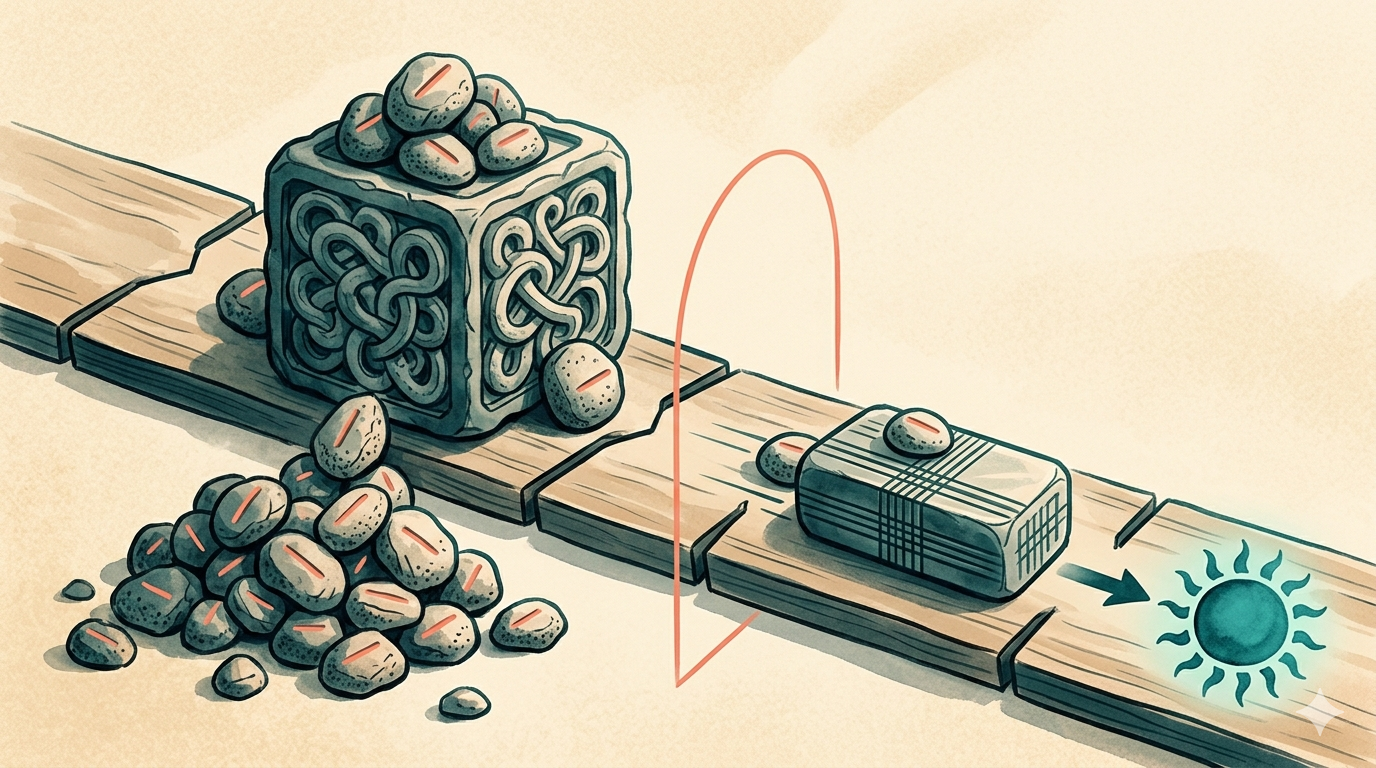
Optimizing digital asset estate planning costs through Security Protocols
The Hidden Cost of Digital Negligence in Probate
When an individual passes away without leaving a clear technical and legal path for their digital wealth, the estate enters a state of high-cost friction. Traditional executors are often comfortable with physical real estate and traditional financial accounts, but they frequently lack the specialized tools or knowledge required to handle encrypted assets or decentralized finance (DeFi) protocols.
Hourly Legal Rates vs. Encrypted Data Recovery
If heirs must hire a forensic data recovery specialist or an attorney to petition a technology corporation for account access, the billable hours can accumulate rapidly. Forensic recovery services may charge significant fees for an initial assessment, often with no guarantee of success. In contrast, a pre-planned protocol costs very little to maintain once established.
Many families realize too late that legal blind spots in traditional estate planning often include the failure to account for two-factor authentication (2FA) devices. Without the physical hardware token or a backup recovery code, even a valid will may be insufficient to gain account entry without a court order, which adds months of billable legal work to the probate process.

Why RUFADAA Compliance is Your Best Financial Defense
The Revised Uniform Fiduciary Access to Digital Assets Act (RUFADAA) is a vital piece of legislation that has been adopted in nearly every U.S. state as of April 2026. It provides the legal power to grant or limit an executor’s access to digital files. By explicitly naming a digital executor and referencing RUFADAA in estate documents, you can remove the legal ambiguity that forces lawyers to spend hours researching platform-specific terms of service. This compliance acts as a "green light" for tech companies, potentially reducing the need for expensive litigation to prove an heir’s right to access elaca.org.
The Multi-Sig Solution: Reducing Complexity for Fiduciaries
For those with significant cryptocurrency holdings, the "single private key" model represents a major risk. If that key is lost, the assets are generally unrecoverable. Multi-signature (multi-sig) wallets offer a way to distribute control without relying on a single point of failure or an expensive third-party custodian.
Coordinating Co-Signers Without Expensive Intermediaries
A multi-sig setup (such as a 2-of-3 wallet) allows a user to distribute keys among trusted parties, such as a spouse and a professional fiduciary. Upon the user's passing, the survivors can move the funds without needing to hire a specialized crypto-lawyer to "break" into a wallet. This decentralized approach can bypass the need for high-fee escrow services.
However, coordinating these co-signers requires a protocol. You must ensure they know they hold a key and understand how to use it. Without a clear set of instructions, co-signers might lose their keys, leading to the same intestate succession risk in digital asset transfers that affects traditional assets when no will is present.
Automating Legacy Fund Release via Smart Protocols
Smart contracts can be programmed to release funds to a specific address if a "heartbeat" or "dead man's switch" is not checked for a certain period. This automation reduces the administrative burden on the executor. Instead of the executor having to learn how to interact with a blockchain, the protocol handles the transfer to a known "heir wallet" automatically. This significantly lowers the technical management fees an estate might otherwise pay to a consultant.
Scenario: Startup Founder with Multi-Sig Assets
In this scenario, an anonymized Founder holds a significant portion of their net worth in a 2-of-3 multi-sig wallet. One key is on their hardware wallet, one is held by the company's Chief Technology Officer (CTO), and one is in private vaults or non-bank safety deposit boxes.
Without a protocol, if the Founder passes away, the CTO and the estate's Executor might end up in a legal battle over who has the right to "sign" for the funds. The Executor may not even know the third key exists in private vaults or non-bank safety deposit boxes. By using a formal protocol, the Founder:
- Documents the existence of the 2-of-3 structure in their will.
- Provides the Executor with the legal authority to claim the private vaults or non-bank safety deposit boxes.
- Leaves a clear "Operating Manual" that explains how the Executor and CTO should collaborate.
This prevents the estate from paying thousands in legal fees to determine ownership of the keys and ensures the assets do not sit idle while the market fluctuates.
Practical How-To: Setting Up Your Low-Cost Protocol
Follow these five steps to ensure your heirs are not overcharged by the probate system.
- Inventory Your Digital Wealth: List every account that has financial or sentimental value. Do not include passwords here, just the existence of the accounts.
- Update Your Will with RUFADAA Language: Ask your attorney to include a specific clause that grants your executor access to digital assets under the Revised Uniform Fiduciary Access to Digital Assets Act.
- Secure Your Seed Phrases: Use a physical medium like steel to prevent environmental damage and store it in highly secure private vaults. Tell your executor where it is, but not what is on it until the time is right.
- Establish a Technical Roadmap: Write a simple, jargon-free guide on how to use your hardware wallet or multi-sig setup. Test this guide with a non-technical person to ensure it works.
- Use a Digital Inheritance Tool: Specialized services can act as a bridge, ensuring that your instructions are delivered to the right people only after a verified event, avoiding the pitfalls of why password managers aren't enough for digital legacy planning.
Choosing the Right Physical Storage: Private Vaults vs. Safety Deposit Boxes
When evaluating physical storage options for your digital assets, it is crucial to recognize why private vaults are often preferable to traditional bank-owned safety deposit boxes. Bank facilities can severely complicate the probate process by freezing safety deposit boxes upon death or restricting access during standard branch hours. In contrast, non-bank private vaults specialize in high-security, compartmentalized storage with enhanced operational privacy, making them the optimal environment for securing hardware wallets and seed phrases without bureaucratic delays from a traditional financial institution.
Digital Asset Recovery Checklist
| Recovery Component | Low-Cost/DIY Method | High-Cost Probate Method |
|---|---|---|
| Seed Phrase Storage | Stamped stainless steel in private vaults or safety deposit boxes | Lawyer attempts to subpoena exchange |
| Device Access | PIN stored in a secure digital vault | Forensic "glitching" of the hardware chip |
| Legal Authority | RUFADAA-compliant language in Will | Court-ordered account representative |
| Transfer Logic | Multi-sig with trusted family keys | Professional custodian management fees |
| Instructional Guide | 1-page "Step-by-Step" for Heirs | Technical consultant hourly fees |
Fiduciary Access Without the Paperwork Nightmare
Managing digital property is not just about currency; it involves proprietary code, domain names, and social media accounts. Each of these has a different set of rules.
Granting Digital Property Rights Under Revised Uniform Acts
Under RUFADAA, you can provide "lawful consent" for a fiduciary to access the content of your communications. Without this specific consent, most platforms will only provide a log of interactions, not the actual content. This distinction is vital for business owners who have intellectual property tied up in email threads or private repositories. By granting this access upfront, you save your estate from the cost of filing discovery motions in court to see your own data thetaxadviser.com.
Streamlining Posthumous Management of Proprietary Code
For software developers or startup founders, their most valuable asset might be a GitHub repository or a cloud-based server. If these accounts are tied to a personal credit card that gets cancelled upon death, the accounts may be deleted for non-payment. A digital asset security protocol should include a plan for "maintenance capital"-a way for the executor to keep the lights on while the assets are being appraised or transferred. This prevents the total loss of value that happens when a digital service is terminated.
Comparison: DIY vs. Professional Management
| Feature | DIY (Protocol-Based) | Professional Custodian |
|---|---|---|
| Setup Cost | Low ($100 - $500 for tools) | High ($1,000+ setup fees) |
| Ongoing Fees | Zero to minimal | 0.5% - 2% of assets annually |
| Privacy | High (You control the keys) | Lower (Third party has data) |
| Complexity for Heirs | Moderate (Requires a roadmap) | Low (Handled by the firm) |
| Speed of Transfer | Fast (Immediate upon key access) | Slow (Subject to firm's probate desk) |
Caveats and Limits
While a security protocol reduces costs, it does not eliminate the need for a traditional will. Digital asset laws vary by jurisdiction. For example, some countries do not recognize the concept of a "digital executor" yet.
Furthermore, a protocol cannot bypass the terms of service of every platform. Some companies, like Apple or Google, have their own "Legacy Contact" features that may override what you put in your will hermancelaw.com. You must use these platform-specific tools in conjunction with your legal documents.
Original Practical Insight: The "Privacy-First" Disclosure
A common mistake is revealing the specific balance of your crypto wallets to your executor within the text of your will. Since a will becomes a public document during probate in many jurisdictions, you are essentially telling the world exactly how much crypto you have and where it is.
The Insight: Use your protocol to grant access to the location of the keys, but keep the value of the assets private. Your executor only needs to know how to move the funds to the estate's account; they do not need to broadcast your wallet addresses to the public record. This protects your heirs from targeted theft or "wrench attacks" after your death.
FAQ
- How much does digital asset estate planning typically cost?
A basic plan can cost between $200 and $1,000 if added to an existing estate plan. However, failing to plan can lead to forensic and legal fees exceeding $10,000, depending on the complexity of the assets.
- Can a traditional executor access my multi-sig wallet?
Only if you provide them with one of the keys or the instructions to coordinate with other co-signers. Without technical instructions, a traditional executor will likely be unable to interact with the blockchain.
- What is RUFADAA and how does it lower legal fees?
RUFADAA is a law that provides a legal framework for fiduciaries to manage digital assets. It lowers fees by providing a standardized path for access, which prevents lawyers from having to fight tech companies in court for account permissions.
- How do I ensure my heirs do not lose access to cold storage?
The best way is to provide a physical "Recovery Roadmap" that includes the location of the hardware wallet, the PIN (stored separately), and the 24-word seed phrase (stored in a fireproof safe).
- Are digital assets subject to probate fees?
Yes, in most jurisdictions, digital assets with financial value (like Bitcoin or domain names) are considered part of the probate estate and are subject to valuation and probate fees martinlawny.com.
- What happens to my hardware wallet if I do not leave a protocol?
It becomes an inaccessible "brick." Unless your heirs find the seed phrase and know what it is, the assets are effectively removed from circulation forever.
Conclusion
The "invisible tax" on digital estates is a significant risk, but it is entirely preventable through proactive planning. By combining RUFADAA-compliant legal documents with a robust technical protocol-such as multi-sig wallets and hardware recovery guides-you can protect your family from predatory legal fees and technical dead-ends. The first step is moving beyond the idea that a simple password list is sufficient. As noted by The Tax Adviser, the intersection of tax, law, and technology requires a proactive approach. Don't leave your digital legacy to chance; create your security protocol today to ensure your wealth stays with your family, not with forensic experts.
Freshness Note: This guide and its technical recommendations were last reviewed and updated in April 2026 to reflect the latest standards in multi-sig security and RUFADAA adoption.
About the Author and Reviewer
By Cipherwill Editorial Team, Digital Legacy Research Desk Reviewed by Cipherwill Review Board, Trust & Security Review Team Last reviewed: April 2026 Editorial contributor: Myra Senapati Review contributor: Ishani Debroy
Legal and Accuracy Caution
Legal and Accuracy Caution: The laws governing digital assets, AI likeness, and posthumous privacy are evolving rapidly and vary significantly by jurisdiction. Platform terms of service and corporate policies are subject to change without notice. This guide provides general information and should not be construed as specific legal or financial advice. Always consult with a qualified professional in your specific region regarding digital estate planning.