Many individuals believe that creating a will and designating beneficiaries covers all their estate planning needs. This conventional approach, while foundational, often overlooks critical aspects of modern life, leading to significant complications for loved ones. The rapid evolution of technology and changing family structures demands a more comprehensive and forward-thinking strategy to truly secure one's legacy.
The Overlooked Realm of Digital Assets
Traditional estate planning largely focuses on tangible assets like real estate, bank accounts, and physical heirlooms. However, in today's digital age, a significant portion of our lives, and indeed our wealth, exists online. Failing to address these digital assets can leave a substantial part of an estate in limbo, inaccessible to heirs.
This oversight can lead to frustrating and often impossible situations for executors attempting to manage everything from social media profiles to cryptocurrency holdings. The legal frameworks surrounding digital assets are still evolving, making proactive planning even more crucial. Without clear instructions, these assets can become permanently lost or remain a source of distress.

The Challenge of Intellectual Property and Online Content
Beyond financial digital assets, many individuals possess valuable intellectual property or generate income from online content. This can include blogs, e-books, software, digital art, and even popular social media channels. Traditional wills rarely contain provisions for the transfer or management of such complex digital creations.
Heirs may struggle to identify, access, or monetize these assets, potentially losing significant value. Copyrights, licensing agreements, and platform terms of service all play a role, adding layers of complexity that a standard will simply cannot address. A specialized approach is required to safeguard these unique forms of wealth.
Inadequate Provision for Blended Families and Non-Traditional Relationships
Modern families are incredibly diverse, often including stepchildren, long-term partners without legal marriage, and chosen family members. Traditional estate planning documents, designed for nuclear family structures, frequently fail to adequately provide for these complex relationships. This can result in unintended disinheritance or bitter legal disputes.
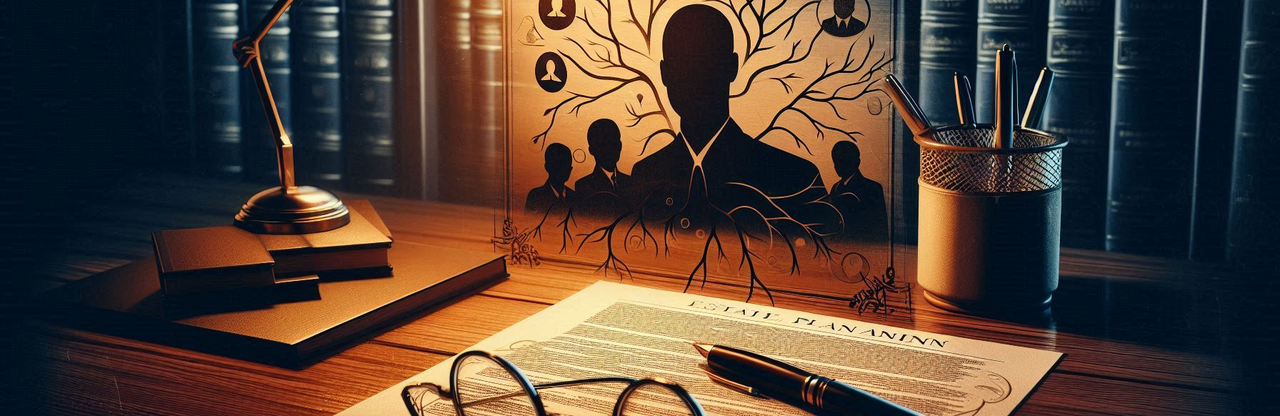
Relying solely on statutory inheritance laws can exclude individuals who were central to the deceased's life but lack a formal legal connection. Thoughtful, explicit provisions are essential to ensure that all loved ones are cared for according to the deceased's true wishes, avoiding significant emotional and financial distress.
The Pitfalls of Outdated Beneficiary Designations
Beneficiary designations on life insurance policies, retirement accounts, and investment portfolios often supersede a will. While convenient, these designations are frequently forgotten and not updated over time, leading to unintended outcomes. A divorce, death of a beneficiary, or birth of a new child can render these designations obsolete.
Failing to regularly review and update these critical documents can divert assets away from intended heirs, creating significant financial hardship and legal challenges. This administrative oversight is a common pitfall that can undermine even the most carefully crafted will. Regular audits are paramount to maintaining alignment with current wishes.
The Absence of a Digital Executor and Access Protocol
One of the most significant modern blind spots is the lack of a designated "digital executor" and a clear protocol for accessing online accounts. Without explicit instructions, usernames, and passwords, family members can spend countless hours trying to gain access to accounts, often without success due to privacy laws and platform security.
This can range from sentimental social media profiles to critical financial accounts and cloud storage. The emotional burden of not being able to access a loved one's digital life, coupled with the practical challenges, is immense. A clear plan is essential to ensure a smooth transition and avoid digital limbo. This is precisely where comprehensive services become invaluable. For those looking for a robust solution to manage their digital legacy, Cipherwill offers an intuitive platform. It helps users organize and secure their digital assets, ensuring they are accessible to designated individuals when needed, thereby preventing the significant distress caused by digital inaccessibility.
Overlooking Business Succession for Small Business Owners
For entrepreneurs and small business owners, their business is often their most valuable asset, yet business succession planning is frequently overlooked in traditional estate documents. A general will may not adequately address the complexities of transferring ownership, management, and operational control. This oversight can jeopardize the future of the business and the financial well-being of the owner's family.
Without a clear plan, the business could face forced liquidation, devaluation, or internal disputes, impacting employees, clients, and the family's financial security. A detailed succession plan, integrated with the overall estate plan, is crucial for ensuring continuity and preserving the value of the enterprise.
Neglecting Pet Care and Pet Trusts
Many people consider their pets to be cherished family members, yet traditional estate planning often provides minimal or no specific provisions for their care. Simply leaving a pet to a family member in a will can be insufficient, as it doesn't guarantee financial support for the pet's ongoing needs or ensure the chosen caregiver is able and willing to take on the responsibility.
A pet trust, or detailed instructions within a will, can legally designate a caregiver and allocate funds for the pet's welfare, ensuring they receive proper care throughout their life. This specialized planning prevents beloved animals from ending up in shelters or facing an uncertain future.
The Impact of Evolving Tax Laws and Jurisdictional Differences
Tax laws related to estates are constantly changing, and they vary significantly between jurisdictions. A static estate plan created years ago may no longer be tax-efficient or compliant with current regulations. This can lead to unexpected tax burdens for heirs, diminishing the value of the inheritance.
Furthermore, individuals with assets in multiple countries or even different states need to consider the jurisdictional complexities. What is valid in one place may not be in another, potentially leading to costly and time-consuming probate processes. Regular review by an expert is essential to adapt to these dynamic legal landscapes.
The Role of Living Documents and Regular Reviews
Many individuals view estate planning as a one-time event, creating documents and then forgetting about them. However, life is dynamic, and circumstances change. Marriages, divorces, births, deaths, acquisitions of new assets, and changes in financial status all necessitate updates to an estate plan. Without regular reviews, documents can quickly become outdated and ineffective.
Living documents, such as powers of attorney and healthcare directives, also need periodic review to ensure they reflect current wishes and remain legally valid. An estate plan should be seen as a living, evolving process, not a static collection of papers.
Strategies for a Future-Proof Estate Plan
To avoid these common pitfalls, a modern estate plan must be comprehensive and adaptable. It requires a holistic view that integrates traditional assets with digital ones, accounts for varied family structures, and anticipates future changes. Here are some best practices:
- Comprehensive Digital Asset Inventory: Create a detailed list of all online accounts, cryptocurrencies, cloud storage, and digital intellectual property. Include usernames, passwords (stored securely and separately), and instructions for access and management. For more on this, you might find the Cipherwill blog post on how to build a family digital will particularly helpful.
- Designate a Digital Executor: Appoint a trusted individual specifically for managing digital assets, distinct from your general executor if necessary, and provide them with the necessary tools and information.
- Regular Review and Updates: Schedule annual or biennial reviews of your entire estate plan, including wills, trusts, beneficiary designations, and digital asset instructions, to reflect life changes and legal updates.
- Specialized Trusts: Consider establishing specific trusts for pets, special needs beneficiaries, or complex digital assets and intellectual property.
- Business Succession Plan: Integrate a detailed business succession plan into your overall estate strategy, outlining ownership transfer, management, and operational continuity.
- Letter of Instruction: Complement legal documents with a non-binding letter of instruction, providing personal wishes, sentimental messages, and additional guidance for your executors and heirs.
- Professional Guidance: Engage with estate planning attorneys who specialize in modern estate planning, including digital assets and complex family structures, to ensure all bases are covered.
By proactively addressing these often-overlooked areas, individuals can create a truly robust and resilient estate plan. This not only safeguards their legacy but also provides peace of mind and minimizes stress for their loved ones during an already difficult time. Embracing a forward-thinking approach ensures that one's wishes are honored in their entirety, reflecting the complexities of contemporary life.
---
Frequently Asked Questions (FAQs)
Q: What exactly constitutes a "digital asset" in estate planning?
A: Digital assets encompass a wide range of online accounts, information, and property. This includes social media profiles, email accounts, cloud storage (photos, documents), cryptocurrency holdings, online banking and investment accounts, websites, blogs, domain names, digital intellectual property (e-books, music, software), and even loyalty program points. Essentially, anything you own or have access to online.
Q: Why can't my traditional will simply cover my digital assets?
A: Traditional wills are primarily designed for tangible property and financial accounts with clear legal titles. Digital assets, however, often don't have traditional titles, are governed by complex terms of service agreements, and are subject to privacy laws that restrict access. Without explicit instructions and designated access protocols, executors may be legally barred or technically unable to access these accounts, rendering a general clause in a will ineffective.
Q: What is a "digital executor" and why do I need one?
A: A digital executor is a person you designate to manage your digital assets after your passing, distinct from your general estate executor if you choose. They are given specific instructions and access information to handle your online presence, close accounts, transfer digital property, or preserve digital memories according to your wishes. This role is crucial because managing digital assets requires specific technical knowledge and legal understanding of online platforms.
Q: How do I ensure my cryptocurrency holdings are passed on securely?
A: Passing on cryptocurrency requires very specific planning due to its decentralized nature and reliance on private keys. You should document all wallet addresses, exchange accounts, and private keys/seed phrases. These critical pieces of information must be stored securely, ideally in an encrypted format, and entrusted to your digital executor with clear instructions on how to access and transfer them. Never store private keys directly in a will.
Q: What are the risks of not planning for digital assets?
A: The risks include permanent loss of valuable digital property (e.g., photos, documents, cryptocurrency), inability for heirs to close or manage social media accounts (leading to identity theft risk or memorialization issues), loss of income from online businesses or content, and significant emotional distress for family members struggling to access sentimental digital memories. It can also lead to legal complications and prolonged probate processes.
Q: Can I use a letter of instruction instead of updating my will for digital assets?
A: A letter of instruction (LOI) is a valuable, non-binding document that can provide detailed guidance, account lists, and wishes for your digital executor. However, it should complement, not replace, formal legal provisions within your will or a digital trust. A will can grant legal authority, while an LOI provides the practical details. It's often recommended to reference the LOI in your will to ensure its consideration.
Q: How often should I review my estate plan?
A: You should review your entire estate plan at least every 3-5 years, or immediately following significant life events such as marriage, divorce, birth or adoption of a child, death of a beneficiary or executor, significant changes in assets or liabilities, moving to a new state or country, or changes in tax laws. Regular reviews ensure your plan remains current and reflective of your wishes.
Q: What if I have assets in multiple countries?
A: If you have assets in multiple countries, your estate plan becomes significantly more complex. You may need separate wills or trusts drafted according to the laws of each jurisdiction where you hold substantial assets. It's crucial to consult with an estate planning attorney who specializes in international estate law to avoid conflicts of law, double taxation, and ensure proper asset distribution across borders.
Q: How can I protect my pets in my estate plan?
A: To protect your pets, you can establish a pet trust, which is a legally binding arrangement that provides for the care and maintenance of your animals after your passing. You can designate a trustee to manage funds, name a caregiver for your pet, and outline specific instructions for their care. Alternatively, you can include detailed provisions in your will, but a trust offers greater control and dedicated funding.
Q: Are there any specific considerations for blended families?
A: For blended families, it's critical to be very explicit in your estate planning documents to avoid ambiguity and potential disputes. Clearly define who you intend to benefit, whether it's biological children, stepchildren, or both, and specify the share each person receives. Consider using trusts to manage assets for different branches of the family, especially if there are minor children or individuals with special needs, and regularly communicate your intentions to avoid misunderstandings.