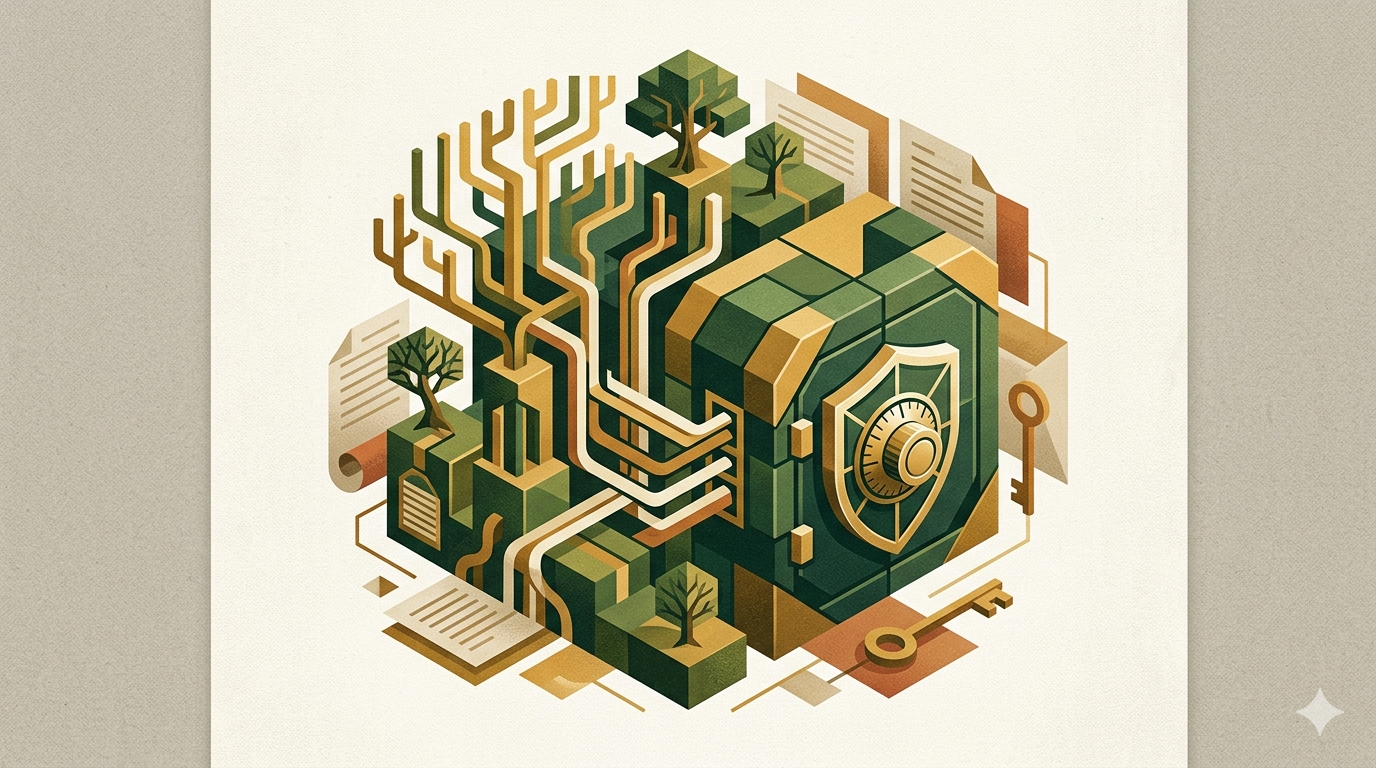
Managing the transition of sensitive genealogical records requires a proactive strategy to prevent unauthorized access to biological data and family histories. For individuals documenting their ancestry, the primary concern is that genetic information and private family notes often remain on servers indefinitely, creating a vulnerability for descendants if the account is not properly decommissioned or transferred. This guide solves the problem of unmanaged accounts by providing a framework for digital succession, ensuring that your biological history remains secure after you pass away. The urgency of this planning is underscored by the fact that as of June 2018, a security researcher discovered that credentials for over 92 million MyHeritage users were found on a private server, highlighting the massive scale of genealogy data at risk (Krebs on Security).
By Cipherwill Editorial Team, Digital Legacy Research Desk Reviewed by Cipherwill Review Board, Trust & Security Review Team Last reviewed: May 2026 Editorial contributor: Myra Senapati Review contributor: Reyansh Mehta
MyHeritage data privacy after death
The Vulnerability of Ancestry: Why Genealogy Data Outlives You
Most people view their MyHeritage account as a digital scrapbook, but it is actually a repository of the most sensitive data imaginable: your genetic code. Unlike a bank account that may be closed by an executor, or a social media profile that might eventually be deleted for inactivity, genealogy data has a unique permanence that makes it a target.
The Permanence of DNA Data in a Digital World
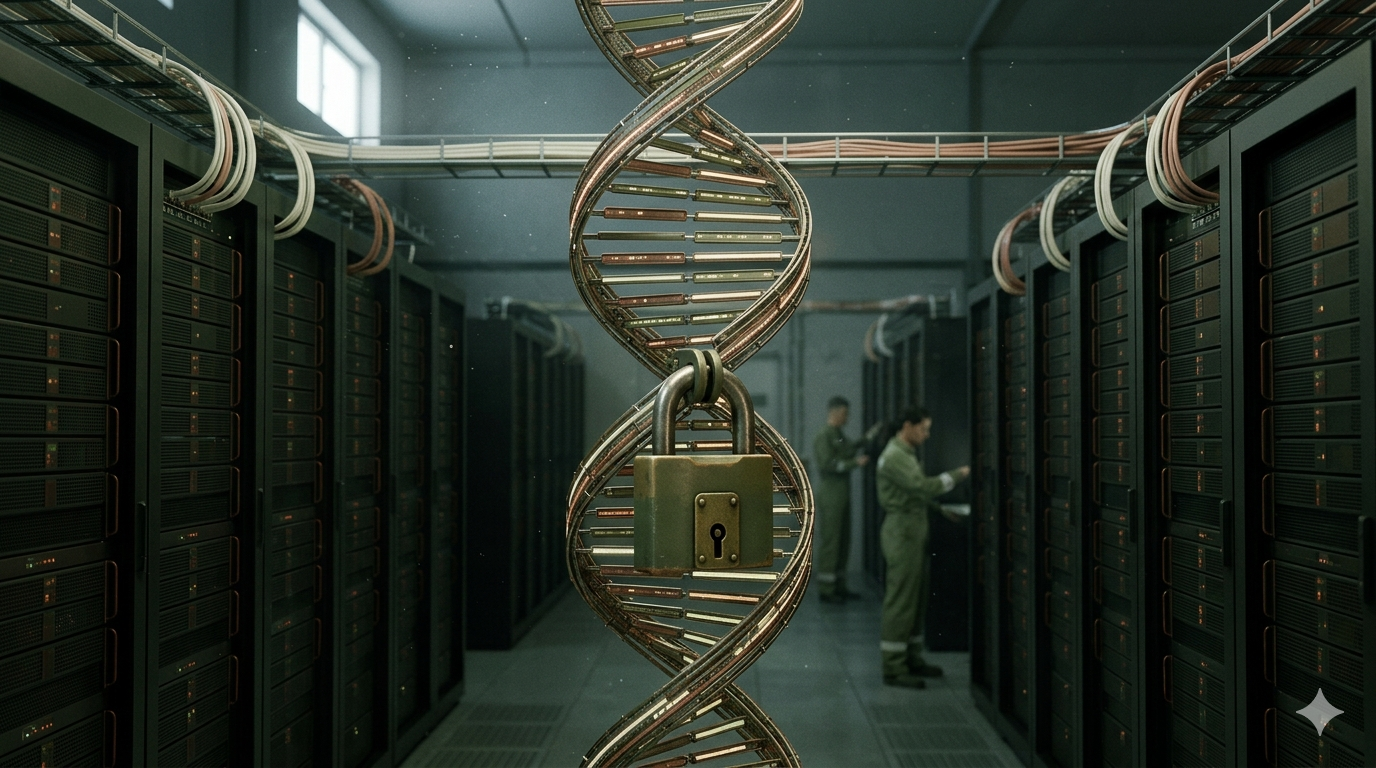
Your DNA is a static blueprint. While you can change your passwords or your physical address, you cannot change your genetic markers. When you upload a DNA sample to MyHeritage, you are creating a digital record that remains relevant for centuries. This data is not just about you; it contains biological information about your children, siblings, and distant cousins.
The risk of posthumous DNA privacy breaches is significant because genetic data does not expire. If an account is left unmanaged, that data sits on a server indefinitely. As biotechnology advances, the potential for this data to be misused-ranging from insurance discrimination against descendants to the unauthorized creation of "digital twins"-may increase. According to CNBC, the long-term risks of sharing DNA include the potential for law enforcement access and the sale of data to third parties, which may occur long after the original user has passed away.
How Inactive Accounts Become Targets for Identity Thieves
Inactive accounts are a primary target for cybercriminals. When a user passes away, their email address and passwords often remain active but unmonitored. Hackers use credential stuffing-using passwords leaked from other breaches-to gain access to these accounts. Once inside a deceased person's MyHeritage account, a bad actor can access full names, birth dates, and locations of living relatives, as well as raw DNA data files which can be downloaded for "Genetic Identity Theft."
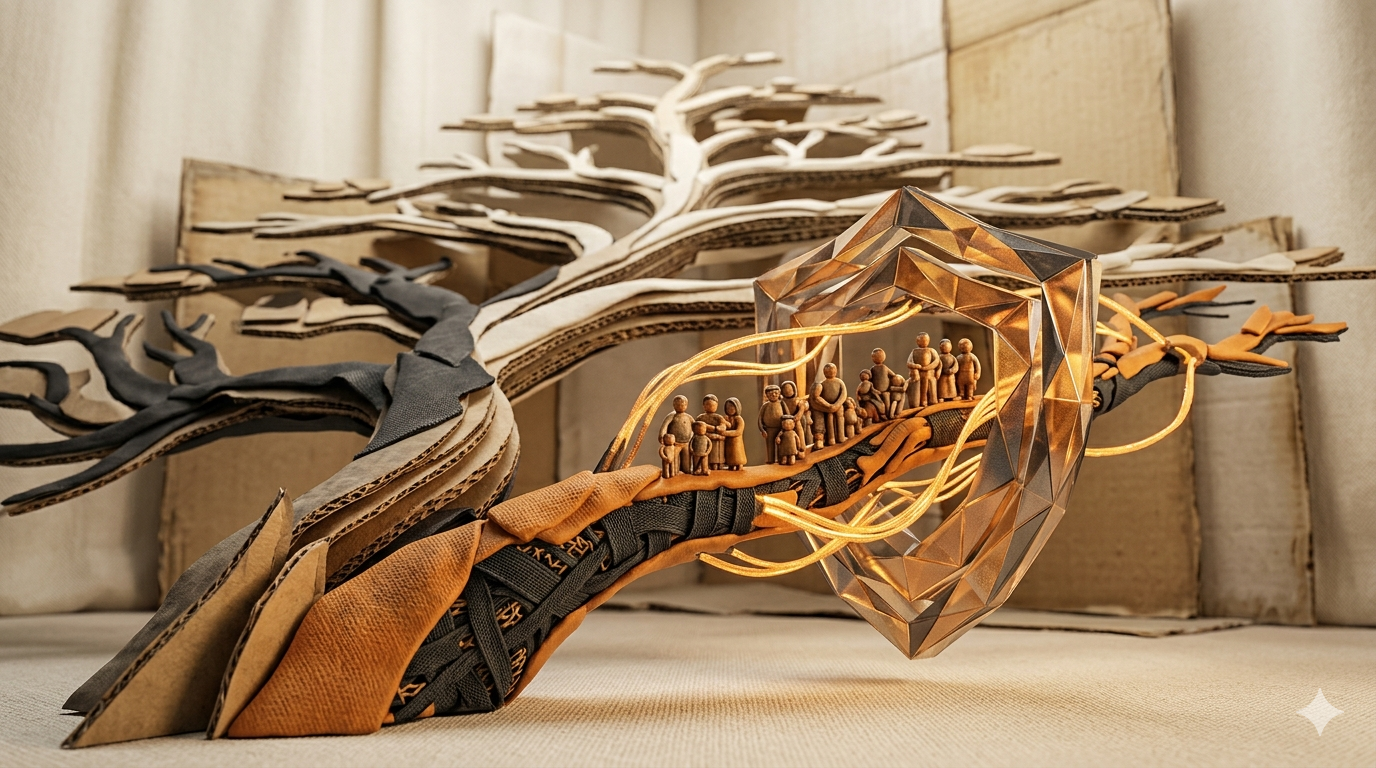
By future proofing your legacy tools and trends in digital inheritance, you can prevent your biological history from becoming a liability for your heirs.
Legal Frameworks for Your Digital Ghost
The legal landscape regarding who "owns" your DNA after death is complex and varies by region. While you may have a traditional will, it often fails to cover the specific nuances of genetic databases and genealogy platforms.
RUFADAA and Executor Rights
The Revised Uniform Fiduciary Access to Digital Assets Act (RUFADAA) has been adopted by most U.S. states as of May 2026. It provides a legal framework for executors to manage digital assets. However, RUFADAA generally prioritizes the service provider’s Terms of Service (TOS) and any explicit instructions you leave within the platform.
If you haven't used a platform's internal legacy tool, an executor may only get "catalogue" access (a list of communications) rather than full access to the content. This makes digital legacy management essential, as relying solely on a traditional court order can be slow and expensive.
MyHeritage Terms of Service vs. Privacy Laws
MyHeritage’s policies are designed to protect user privacy, which can make it harder for your chosen heirs to manage your account. According to MyHeritage’s security documentation, the platform emphasizes user control. However, once a user is deceased, the platform typically requires a death certificate and proof of kinship to even discuss account access.
There is often a conflict between state laws that want to grant executors access and the platform’s privacy contract. This is why a digital will vs traditional will comparison is so vital; a digital will provides the specific technical permissions that a standard legal document might lack.
Scenario: A Genealogy Hobbyist with Sensitive Family Secrets
Consider a retired researcher who has spent 15 years building a massive family tree on MyHeritage. In their "Private Notes" section, they have documented sensitive information about non-paternity events (NPEs) and health struggles of relatives.
If this researcher passes away without a clear succession plan, several risks emerge:
- The Exposure Risk: The account remains online. Eventually, a data breach exposes the private notes, causing emotional distress to living relatives.
- The Conflict Risk: Two different children both claim the right to manage the "official" family tree, leading to a digital feud that MyHeritage support cannot legally resolve without a court order.
- The Loss Risk: The subscription lapses, and over time, the account is deactivated or the tree is locked, losing 15 years of research that the family intended to preserve.
By appointing a specific digital successor and leaving a clear "Instruction Letter" in a digital vault, the researcher ensures that only one trusted person handles the sensitive notes and the DNA data remains under family control.
Practical How-To: 5 Steps to Secure Your MyHeritage Legacy
Follow these steps to ensure your MyHeritage account succession is handled according to your wishes.
- Enable Two-Factor Authentication (2FA): Navigate to your account settings and enable 2FA. This is your first line of defense against posthumous hacking. MyHeritage provides specific guidance on securing your account with 2FA.
- Appoint a Site Manager: In MyHeritage, you can invite a family member to be a "Site Manager." This gives them administrative rights to the tree while you are still alive, ensuring they aren't locked out later.
- Document Your DNA Preferences: Write a clear statement on whether you want your DNA results to be deleted or transferred to a specific heir. Store this in your digital estate plan.
- Export Your Data Annually: Download your GEDCOM (family tree) file and your raw DNA data. Store these on an encrypted drive. This ensures that even if the website disappears, your work is safe.
- Set Up a Digital Successor: Use a digital inheritance platform to securely pass your login credentials and your "Instruction Letter" to your chosen digital executor. Understanding the psychology behind dead mans switch technology can help you realize why automated triggers are safer than manual ones.
Comparison: Posthumous Privacy Options
| Option | Pros | Cons | Best For |
|---|---|---|---|
| Account Deletion | Maximum privacy; zero risk of future data breaches. | All genealogical research is lost forever. | Those with high privacy concerns and no heirs interested in genealogy. |
| Site Manager Invite | Seamless transition; family can continue research. | Manager has full access to private notes immediately. | Families who collaborate closely on research today. |
| Digital Executor | Controlled access; instructions are only released upon death. | Requires setup of an external service. | Individuals who want to keep data private until they pass. |
| Inactivity Deletion | Automatic; no action required. | Unreliable; MyHeritage policies on inactivity can change. | Not recommended as a primary strategy. |
Original Practical Insight: The "De-identification Strategy"
A common dilemma in digital estate planning is the choice between total deletion (which destroys research) and total preservation (which risks privacy). We recommend a "De-identification Strategy." Instead of instructing an executor to delete everything, provide instructions to:
- Change the account name to a pseudonym.
- Remove specific birth dates and exact locations for all living individuals in the tree.
- Strip the "Private Notes" field of any PII (Personally Identifiable Information).
This preserves the "matches" for your relatives-which can be vital for their own health and heritage research-while stripping away the identity markers that hackers use for fraud. This middle path balances the family's need for data with the individual's need for security.
Caveats and Limits
It is important to understand that no digital legacy plan is foolproof.
- Platform Changes: MyHeritage may change its Terms of Service at any time, potentially altering how they handle deceased accounts.
- Jurisdiction: If you live outside the U.S., RUFADAA does not apply, and you must rely on local privacy laws like the GDPR in Europe.
- DNA Ownership: While you own your "account," the physical sample you sent to the lab is often governed by different disposal policies. Always check the MyHeritage DNA privacy policy for the most current information on sample destruction.
- Genetic Privacy: As noted by the Elder Law Center of Brevard, genetic data is unique because it is shared; your decision to keep or delete data affects the privacy of your biological relatives.
MyHeritage Posthumous Privacy Checklist
| Action Item | Frequency |
|---|---|
| Update 2FA Phone/Email | Yearly |
| Download Raw DNA Data | Once / After Updates |
| Export GEDCOM File | Every 6 Months |
| Review "Site Manager" Permissions | Yearly |
| Update Digital Will | After Major Life Events |
| Clear "Private Notes" of Sensitive PII | Ongoing |
FAQ
- What happens to my MyHeritage account when I die?
If no one has your password or is a designated Site Manager, the account remains active but "orphaned." Over time, it may be categorized as inactive, but the data usually remains on the servers unless a formal deletion request is made by an heir with a death certificate.
- Can my family access my DNA results after my passing?
Only if they have your login credentials or if you have previously shared the results with them through the "DNA Sharing" feature. MyHeritage generally does not grant access to DNA results to third parties without significant legal documentation.
- Does RUFADAA apply to genealogy websites like MyHeritage?
Yes, in U.S. states where it has been passed, RUFADAA provides a legal path for executors to manage digital assets. However, the law usually defers to the "online tool" provided by the platform or the specific instructions in a digital will.
- How do I appoint a digital executor for my DNA data?
You should name a "Digital Executor" in your legal will and provide them with the technical means to access the account via a secure digital vault. This person should be distinct from your financial executor if they are more tech-savvy.
- Can MyHeritage delete my data automatically after a period of inactivity?
While some platforms are moving toward inactivity deletion, MyHeritage's business model relies on long-term data storage for family trees. Do not rely on automatic deletion to protect your privacy.
- Is it possible to lock my family tree from being edited after I'm gone?
You can set your tree permissions to "Read Only" for all members except the Site Manager. Instructing your Digital Executor to change these settings is the best way to "freeze" your research in time.
Conclusion: Securing Your Biological History
Your DNA is the most personal data you will ever own, and its value only grows after you are gone. Leaving a MyHeritage account unmanaged is more than just a missed opportunity for your heirs; it is a significant privacy risk that could affect your family for generations. By taking action today-enabling 2FA, downloading your data, and appointing a digital successor-you ensure that your legacy is one of discovery, not a digital liability. As biotechnology and data mining capabilities evolve, the importance of securing this genetic record becomes paramount to protecting the privacy of your descendants (MyHeritage Privacy). Don't let your biological history become a vulnerability to the next major data breach. Start your digital estate plan today to keep your DNA legacy safe and in the right hands.
About the Author and Reviewer
By Cipherwill Editorial Team, Digital Legacy Research Desk Reviewed by Cipherwill Review Board, Trust & Security Review Team Last reviewed: May 2026 Editorial contributor: Myra Senapati Review contributor: Reyansh Mehta
Legal and Accuracy Caution
Legal and Accuracy Caution: The laws governing digital assets, AI likeness, and posthumous privacy are evolving rapidly and vary significantly by jurisdiction. Platform terms of service and corporate policies are subject to change without notice. This guide provides general information and should not be construed as specific legal or financial advice. Always consult with a qualified professional in your specific region regarding digital estate planning.