
Why Digital Estate Planning Matters
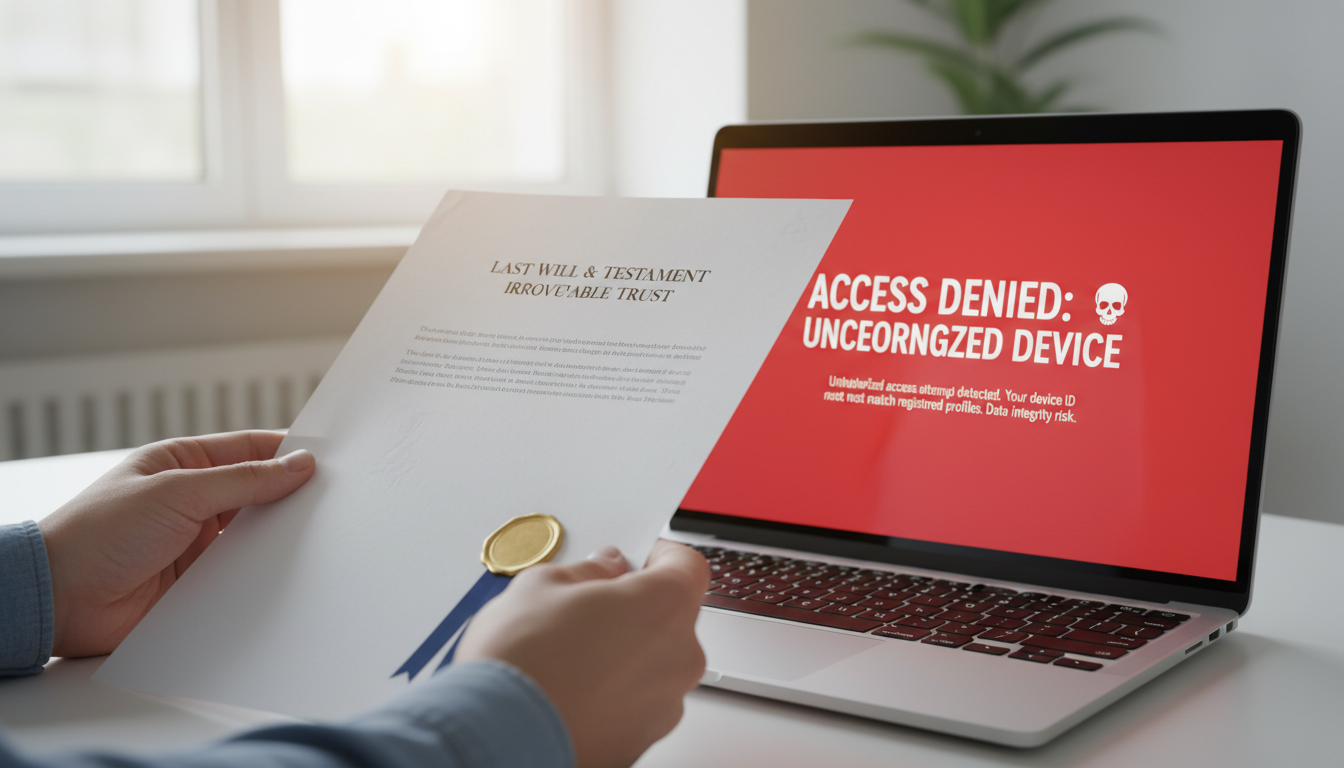
Elena had a carefully prepared living trust, but it did not give her immediate access to her late father’s digital accounts. His consultancy records, cryptocurrency holdings, and family photos were protected by a smartphone, hardware security keys, and account-specific recovery processes.
As court-appointed executor, Elena submitted the death certificate to a cloud provider. The provider asked for additional authorization before releasing business documents. Her experience showed the difference between owning a digital asset and having the practical means to access or manage it.
RUFADAA and Access to Digital Assets
Digital estate administration involves both probate law and the terms of each service provider. Many online accounts grant a limited license rather than transferable ownership. Providers may also require specific documentation before sharing account content.
The Revised Uniform Fiduciary Access to Digital Assets Act (RUFADAA) provides a framework adopted, with variations, by many states. It can help a fiduciary manage digital property and request certain records. The deceased person’s online instructions, estate documents, and the provider’s terms may affect the order of authority. State law also matters. For example, Minnesota addresses digital assets in Minnesota Statutes § 521A.01.
RUFADAA does not guarantee unrestricted access to private communications or account content. A clear authorization in an estate plan or a provider’s legacy tool may make the process easier. Executors should consult qualified counsel before attempting to access an account or device.
Helpful background is available in these RUFADAA legal analyses and digital legacy planning guidelines.
Traditional and Digital Executor Duties
The table below shows how familiar estate tasks can differ when assets and records are stored online.
| Traditional executor task | Digital estate equivalent |
|---|---|
| Present letters testamentary to a bank. | Document ownership, locate wallet information, and follow an exchange’s estate process. |
| Secure a property and change its locks. | Review active sessions, devices, recovery methods, and account permissions. |
| Notify utility providers and stop recurring charges. | Review statements for software subscriptions, domains, storage, and other online services. |
Three Digital Estate Risks to Review
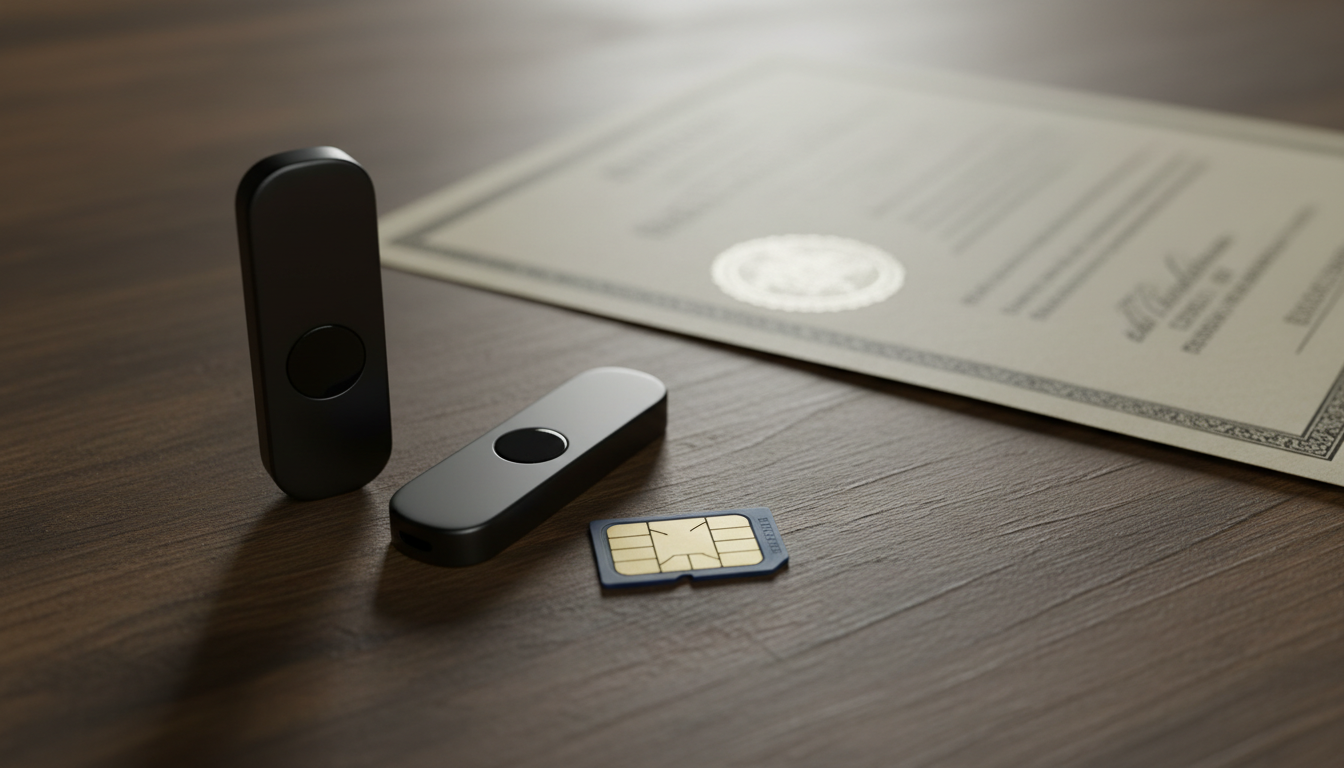
- Device lockouts and data loss: Repeated incorrect PIN attempts can trigger security delays or, on some devices, an erase setting. Do not guess credentials or reset a device before checking for backups and obtaining professional advice.
- Automated financial activity: DeFi positions, trading accounts, and other services may continue operating after death. Some positions can be liquidated if collateral or margin requirements are not met. Review these risks with a qualified financial or legal professional.
- Loss of phone-based authentication: SMS codes may be tied to the deceased person’s mobile number. Canceling or changing the line too soon can make account recovery more difficult.
In Elena’s case, a family member canceled the mobile plan while trying to reduce expenses. Later, a business email provider requested a code sent to that number. The family could not complete that recovery step without further provider review. Keeping the number active for a limited period may help, but the executor should confirm the arrangement with the carrier and counsel.
Common Mistakes Digital Executors Should Avoid
- Letting devices lose power: A restart may require the device passcode instead of a biometric method. Keep relevant devices charged and avoid unnecessary restarts.
- Requesting memorialization too early: Memorialization can change how a social profile is managed. Review the provider’s process before submitting a request if messages, business contacts, or linked services may be needed.
- Copying data to an untrusted computer: Use a qualified digital-forensics or information-security professional when handling encrypted drives, business systems, or sensitive records. Preserve the original evidence and document each step.
A Practical 48-Hour Digital Executor Checklist
The first two days should focus on preservation, documentation, and professional guidance. Avoid deleting, resetting, or transferring accounts until you understand the consequences.
- Secure devices and records: Collect phones, computers, external drives, hardware wallets, and security keys. Photograph their condition and keep them in a safe location. Keep necessary devices charged when appropriate.
- Preserve the mobile number: Ask the carrier about keeping or transferring the line under the estate’s control. Do not assume that porting to VoIP will preserve every verification method.
- Maintain essential services: Review payment methods for cloud storage, domains, email, and business software. Keep necessary services funded while checking the provider’s retention policy.
- Find the access plan: Look for a password manager, estate instructions, recovery codes, hardware-wallet information, and trusted contacts. Do not share seed phrases or passwords through ordinary email.
- Create an inventory: Record accounts, assets, recurring payments, devices, and deadlines. Coordinate with the estate attorney, tax adviser, and relevant providers.
How to Build a Digital Succession Plan
A digital estate plan should identify assets, explain access procedures, and name the people responsible for each task. It should also address account privacy, cryptocurrency custody, business data, devices, and recurring services.
A secure planning service can help organize these instructions without placing sensitive credentials in the will itself. Cipherwill is one option for documenting digital inheritance instructions and arranging controlled delivery of information to designated recipients. Review any service’s security model, recovery process, and legal limitations before relying on it.
Frequently Asked Questions
Question: Are digital assets recognized in probate?
Answer: Many digital assets can be included in an estate, but access depends on state law, the account agreement, and the available authorization.
Question: What should an executor do first?
Answer: Secure devices and records, preserve the mobile number, maintain essential services, and contact the estate attorney before changing accounts.
Question: Can a provider delete a deceased person’s profile?
Answer: Some providers may deactivate, memorialize, or delete accounts under their policies. Review the provider’s terms and submit the required documentation.
Question: Does a paper will transfer cryptocurrency?
Answer: A will can identify an intended beneficiary, but it does not provide the private keys needed to move cryptocurrency. Store access instructions securely and separately.
Question: Why avoid canceling a mobile plan immediately?
Answer: The number may receive account-recovery codes. Ask the carrier and estate counsel about preserving control until recovery tasks are complete.
Question: How should an executor handle a locked biometric phone?
Answer: Do not attempt repeated guesses or bypass tools. Look for the passcode and backups, then consult the manufacturer, a qualified technician, or legal counsel.
Question: What is RUFADAA?
Answer: RUFADAA is a state-level framework that addresses fiduciary access to digital assets. Its requirements vary by state and do not guarantee access to every account or private communication.
By Cipherwill Editorial Team, Reviewed by Cipherwill Review Board, Trust & Security Review Team
Editorial contributor: Samarjeet Vohra
Review contributor: Tavish Bhonsle