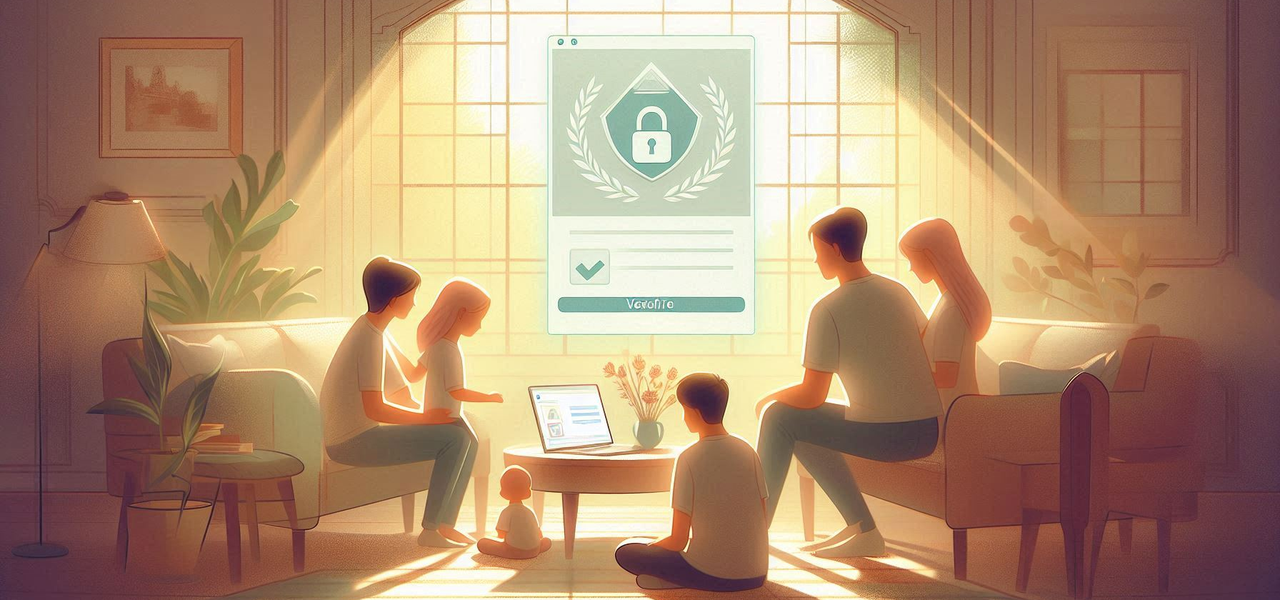
The digital age has brought unprecedented convenience, but it also presents unique challenges when a loved one passes away. Navigating the aftermath of a death now often involves a complex web of online accounts, digital assets, and virtual identities. For families grieving and simultaneously trying to manage these digital footprints, proving a death online can feel like an overwhelming and often intrusive process.
This journey requires a delicate balance of efficiency, security, and respect for privacy. Understanding the necessary steps, potential pitfalls, and available tools is crucial for ensuring that this sensitive task is handled appropriately. This guide aims to demystify the process, offering practical advice and highlighting best practices for managing a deceased loved one's digital legacy safely and securely.
The Landscape of Digital Afterlife Management
When someone passes, their digital life doesn't simply vanish; it persists across numerous platforms. From social media profiles and email accounts to online banking and cloud storage, these digital presences require careful attention. Families must contend with everything from memorializing social media profiles to accessing critical financial information stored online.

The sheer volume and variety of digital assets make this a daunting task. Each platform has its own policies and procedures for handling deceased users' accounts, which can vary significantly. This lack of standardization often adds to the stress during an already difficult time, making a structured approach essential for effective management.
Understanding the Importance of Official Documentation
The cornerstone of proving a death online, or in any official capacity, is the death certificate. This legal document is issued by governmental authorities and serves as irrefutable proof of a person's passing. Without it, most online services and financial institutions will not proceed with any requests regarding a deceased user's account.
It is advisable to obtain multiple certified copies of the death certificate. While many platforms may accept scanned copies for initial requests, some will require certified physical copies for verification. Having these readily available will streamline the process significantly, preventing unnecessary delays and repeated requests.

Navigating Platform-Specific Policies and Procedures
Every major online platform, be it social media, email service, or financial institution, maintains specific protocols for handling deceased users' accounts. These policies dictate what information is required, how requests should be submitted, and what actions can be taken. It's imperative to research these policies for each relevant platform.
For instance, Facebook offers options to memorialize an account or request its removal, while Google allows for the closure of accounts or transfer of data through its Inactive Account Manager. Understanding these nuances before initiating contact can save considerable time and frustration, ensuring compliance with each platform's unique requirements.
Strategies for Secure Information Gathering
Before attempting to access or manage any online accounts, families must first gather as much relevant information as possible. This includes usernames, passwords, and any associated email addresses. Often, this information is stored in various places, from handwritten notes to digital password managers.
It's crucial to approach this information gathering with extreme caution. Avoid using insecure methods like sharing passwords via unencrypted email. If possible, consolidate all known login details into a secure, encrypted document or a reputable password manager that can be accessed by authorized individuals.
Risks Associated with Online Access and Impersonation
Attempting to access a deceased loved one's online accounts without proper authorization carries significant legal and security risks. Many terms of service explicitly prohibit unauthorized access, and doing so could lead to legal repercussions. Furthermore, gaining unauthorized access can expose sensitive personal data to potential breaches.
Impersonation is another serious concern. While the intention might be to manage accounts respectfully, misrepresenting oneself as the deceased can have unintended consequences. It's always best to follow the official channels provided by each platform to avoid legal issues and maintain the integrity of the deceased's digital identity.
Best Practices for Digital Estate Management
Establishing a clear and organized approach is key to managing a digital estate effectively. This involves creating a comprehensive inventory of all online accounts, digital assets, and important contacts. Such an inventory serves as a roadmap for those responsible for settling the digital affairs.
- Create a Digital Asset Inventory: List all online accounts, including social media, email, banking, cloud storage, and any subscriptions. Note down associated usernames and the platform's policy regarding deceased users.
- Designate a Digital Executor: Appoint someone trustworthy to manage digital assets in a will or digital estate plan. This individual should have clear instructions and legal authority.
- Securely Store Login Information: Utilize a reputable password manager to store login credentials. Share the master password or access instructions only with the designated digital executor.
- Understand Legal Rights and Permissions: Familiarize yourself with local laws regarding digital assets and access to accounts after death. These laws can vary significantly by jurisdiction.
The Role of Digital Estate Planning Tools
In anticipation of these challenges, proactive digital estate planning has become indispensable. Tools and services designed specifically for this purpose can significantly ease the burden on grieving families. These solutions allow individuals to organize their digital assets and specify their wishes regarding their online presence after they pass.
Such platforms enable users to create a comprehensive inventory of their digital assets, securely store login credentials, and designate beneficiaries or digital executors. This foresight ensures that loved ones have the necessary information and authority to manage digital affairs smoothly and according to the deceased's wishes. This proactive approach eliminates much of the guesswork and stress for families during an already difficult time.
This is precisely where a comprehensive service solution like Cipherwill becomes invaluable. Cipherwill offers a secure and streamlined platform for individuals to manage their digital legacy, including cryptocurrencies, NFTs, and traditional online accounts. By using Cipherwill, you can create a clear roadmap for your digital assets, ensuring that your loved ones have the necessary access and instructions to handle your online presence according to your wishes, all while maintaining the highest levels of security and privacy.
Utilizing Trusted Third-Party Services (e.g., Cipherwill)
When dealing with complex digital assets, particularly cryptocurrencies and NFTs, the process of proving ownership and facilitating transfer can be exceptionally intricate. Traditional methods often fall short in these specialized areas, leaving families in a difficult position. This is where dedicated services tailored to digital asset management become essential.
Cipherwill, for example, specializes in handling these unique challenges, providing a secure vault for digital asset information and a clear protocol for access by designated beneficiaries. Such services ensure that even highly technical assets are managed according to the deceased's wishes, providing peace of mind for both the individual planning their estate and their future heirs. For more insights on this specific topic, consider reading How to Handle Crypto and NFT Assets in a Digital Will on the Cipherwill blog.
Enhancing Security and Privacy in the Process
Maintaining security and privacy throughout this process is paramount. When handling sensitive personal information, it's crucial to use secure communication channels and reputable services. Avoid sharing login details over unsecured networks or public Wi-Fi. Always verify the authenticity of any requests for personal information.
Furthermore, be mindful of the privacy implications for the deceased. Respect their wishes regarding the dissemination of personal information and photos. If an account is memorialized, ensure that privacy settings are adjusted to reflect the family's preferences and the deceased's legacy appropriately.
Real-World Examples and Case Studies
Consider the case of a family trying to access a loved one's cloud storage where cherished family photos were backed up. Without prior instructions or a digital will, they faced significant hurdles, needing multiple certified death certificates and navigating complex terms of service. The process took months, adding to their grief.
Another example involves cryptocurrency assets. A young man passed away suddenly, leaving behind a substantial crypto portfolio. Because he hadn't shared his wallet keys or left instructions, his family was unable to access these assets, resulting in a permanent loss. These scenarios underscore the critical need for proactive digital estate planning and the use of specialized tools.
The Emotional Aspect and Self-Care
Beyond the technical and legal complexities, it's vital to acknowledge the profound emotional toll this process can take. Grieving families are already under immense stress, and dealing with digital affairs can exacerbate feelings of loss and frustration. It's important to approach this task with patience and self-compassion.
Don't hesitate to seek support from trusted friends, family, or professional grief counselors. Breaking down the task into smaller, manageable steps can also help alleviate overwhelming feelings. Remember that it's okay to take breaks and prioritize emotional well-being throughout this challenging period.
Future-Proofing Your Digital Legacy
The digital world is constantly evolving, making it essential to regularly update digital estate plans. As new platforms emerge and old ones change their policies, staying informed and adapting your plan ensures its continued relevance. Consider reviewing your digital asset inventory and instructions annually or whenever significant life changes occur.
Educating family members about the importance of digital estate planning is also crucial. Encouraging open conversations about digital legacies can foster a proactive approach within families. This forward-thinking mindset will ultimately ease the burden on loved ones and ensure that digital assets are handled according to your wishes.
Conclusion
Navigating the digital afterlife of a loved one is undeniably a complex and emotionally charged undertaking. However, by understanding the necessary steps, leveraging official documentation, adhering to platform-specific policies, and utilizing specialized tools, families can manage this process safely and respectfully. Proactive digital estate planning, ideally with the aid of comprehensive solutions, significantly mitigates future challenges. This thoughtful approach not only secures a loved one's digital legacy but also provides much-needed peace of mind during a time of immense grief.
---
FAQ
Q: What is the very first step a family should take to manage a deceased loved one's online accounts?
A: The absolute first step is to obtain multiple certified copies of the death certificate. This document is universally required by all online platforms and financial institutions to confirm the death and initiate any account management processes.
Q: Is it legal to access a deceased person's email or social media account if I know the password?
A: Generally, no. Accessing a deceased person's accounts, even with a known password, without proper legal authorization (like a digital executor or court order) can violate terms of service, privacy laws, and potentially lead to legal repercussions for unauthorized access.
Q: How many certified death certificates should I order?
A: It's recommended to order at least 5-10 certified copies. Many institutions will require a physical certified copy, and having several on hand will prevent delays as you manage various accounts and assets simultaneously.
Q: What if I can't find any login information for my loved one's online accounts?
A: If no login information is available, you will need to rely on the official death certificate and the specific "deceased user" policies of each platform. Most services have a process for family members to request account memorialization or closure with proper documentation, even without login details.
Q: Can a digital will help with accessing cryptocurrency or NFT assets?
A: Yes, a well-drafted digital will or estate plan explicitly outlining cryptocurrency wallets, exchange accounts, private keys, and NFT ownership, along with clear instructions for a designated digital executor, is crucial for accessing and transferring these complex digital assets.
Q: What are the risks of using a shared password document for digital assets?
A: Shared password documents, especially if not securely encrypted and stored, pose significant security risks. They can be vulnerable to unauthorized access, hacking, or loss, potentially compromising all listed accounts. Using a reputable, secure password manager is a much safer alternative.
Q: How long does it typically take to close or memorialize all of a deceased person's online accounts?
A: The timeline varies widely depending on the number of accounts, the responsiveness of each platform, and the completeness of the documentation provided. It can range from a few weeks for simple cases to several months for complex digital estates involving numerous platforms and assets.
Q: Should I delete all of my loved one's social media accounts immediately?
A: Not necessarily. Consider the emotional impact and the deceased's wishes. Many platforms offer memorialization options that preserve the account as a tribute, allowing friends and family to share memories without full access. Deleting an account is often irreversible.
Q: What is a "digital executor" and why is it important?
A: A digital executor is an individual legally appointed (often in a will or digital estate plan) to manage a deceased person's digital assets and online accounts. This role is crucial because it grants legal authority to interact with online services, bypassing many of the access hurdles families without such designation face.
Q: Are there any services that can help manage the digital afterlife process systematically?
A: Yes, there are specialized digital estate planning services and platforms designed to help individuals organize their digital assets and wishes in advance. These services can securely store information and provide a structured approach for designated family members to follow after a death, significantly easing the burden.