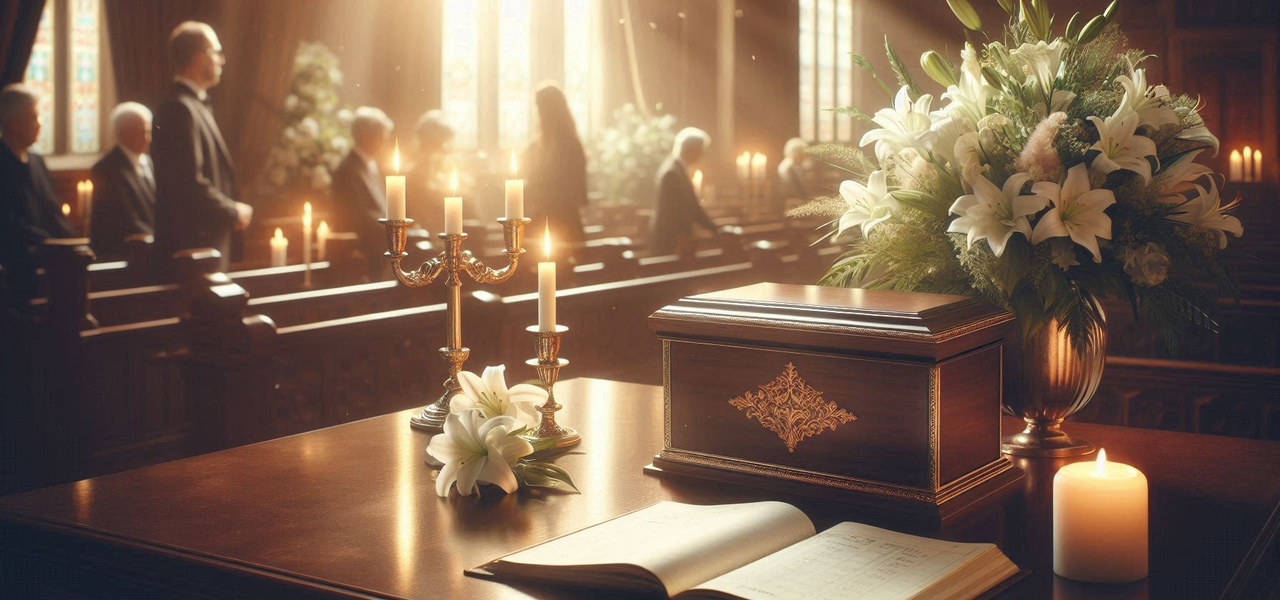
The act of making a charitable contribution often carries a deep personal significance, reflecting one's values and desire to make a positive impact. When an individual passes away, the handling of these donations, whether pre-arranged or made in their memory, becomes a crucial aspect of their legacy. This process involves navigating legal frameworks, organizational policies, and often, emotional considerations from grieving families. Understanding how these contributions are managed can provide comfort and ensure the deceased's philanthropic intentions are honored.
The initial steps often involve identifying whether the donations were established during the individual's lifetime or are being made posthumously. Lifetime donations might include ongoing pledges, recurring gifts, or specific bequests outlined in a will. Posthumous donations, conversely, are typically made by family and friends in memory of the deceased, often directed to a cause they championed. Each scenario presents unique administrative challenges and requires distinct approaches for proper execution.
Understanding Pre-Arranged Philanthropy
Many individuals meticulously plan their charitable giving as part of their estate. This often involves specific bequests in their will, designating a certain amount of money, assets, or even a percentage of their estate to a chosen charity. These pre-arranged donations are legally binding and must be honored by the executor of the estate. The clarity of these instructions is paramount to avoid disputes and ensure swift distribution.

Another common form of pre-arranged giving is through beneficiary designations on life insurance policies, retirement accounts, or even bank accounts. By naming a charity as a beneficiary, these assets can transfer directly to the organization upon death, bypassing the often lengthy probate process. This method offers efficiency and ensures the donor's wishes are fulfilled without delay.
The Role of the Executor and Estate Planning
The executor of an estate plays a pivotal role in ensuring that all charitable donations, both pre-arranged and those made in memory, are handled correctly. Their responsibilities include identifying all assets, settling debts, and distributing the remaining estate according to the will. For charitable bequests, the executor must communicate with the designated organizations and facilitate the transfer of funds or assets.
Effective estate planning is the cornerstone of seamless charitable giving after death. A well-drafted will explicitly detailing charitable intentions minimizes ambiguity and potential legal challenges. Including clear instructions for digital assets, which often hold significant personal and financial value, is also increasingly important. For guidance on structuring these instructions, see How to Write Simple Access Instructions for Your Loved Ones.

Navigating In-Memoriam Donations
In-memoriam donations are a heartfelt way for friends and family to honor a loved one's legacy. These contributions are typically collected at memorial services or through online platforms designated by the family. The family usually specifies a particular charity or cause that was meaningful to the deceased, ensuring the donations align with their values.
Managing these donations requires careful coordination. The family often appoints a designated person to collect and track these contributions, ensuring accurate records are kept. This individual then communicates with the chosen charity to arrange for the transfer of funds and to request acknowledgement letters for the donors. Transparency and meticulous record-keeping are essential for this process.
Legal and Tax Implications
Donations made after someone passes away can have significant legal and tax implications for the estate and the beneficiaries. Charitable bequests can reduce the taxable estate, potentially lowering estate taxes. It is crucial for the executor to understand these implications and consult with legal and financial professionals.
The specific tax benefits can vary depending on the type of donation and the jurisdiction. For instance, direct bequests to qualified charities are generally exempt from estate taxes. However, complex arrangements like charitable remainder trusts or charitable lead trusts require expert advice to ensure compliance and maximize benefits.
Communicating with Charitable Organizations
Effective communication with charitable organizations is vital throughout the donation process. The executor or family representative should establish contact early to inform them of the donation and understand their specific requirements. Many charities have dedicated staff to assist with planned giving and in-memoriam contributions.
This communication ensures the donation is properly received, acknowledged, and applied according to the donor's wishes. It also helps the organization understand the context of the gift, allowing them to express appropriate gratitude to the family and acknowledge the deceased's legacy.
Potential Challenges and Risks
Handling donations after someone passes away can present several challenges. Ambiguous instructions in a will can lead to disputes among beneficiaries or difficulties in identifying the intended charity. Lack of proper record-keeping for in-memoriam donations can result in lost funds or unacknowledged contributions.
Another risk involves the mismanagement of digital assets, which increasingly hold substantial value and contain critical information about financial accounts, online giving platforms, and digital legacies. Without clear access instructions, executors can face significant hurdles in fulfilling philanthropic wishes. This is where comprehensive digital estate planning becomes indispensable. When faced with the complexities of managing digital assets and ensuring your philanthropic wishes are honored, a robust solution is needed. Cipherwill offers a comprehensive service solution designed to simplify digital estate planning, providing secure storage and clear access instructions for vital online accounts and documents. Cipherwill ensures that your digital legacy, including charitable intentions, is handled seamlessly and according to your precise wishes, offering peace of mind for you and your loved ones.
Best Practices for Seamless Donation Handling
To ensure a smooth process, several best practices should be followed. These include having a clear, up-to-date will that explicitly outlines all charitable intentions. For in-memoriam donations, designate a single point of contact within the family to manage contributions and communications.
- Detailed Will: Ensure your will clearly specifies beneficiaries, amounts, and any conditions for charitable donations.
- Beneficiary Designations: Utilize direct beneficiary designations for life insurance and retirement accounts to charities.
- Digital Asset Planning: Document access instructions for all online accounts, including giving platforms.
- Record Keeping: Maintain meticulous records of all donations, both made and received, for transparency and tax purposes.
- Professional Advice: Consult with estate attorneys and financial advisors to navigate legal and tax complexities.
Ethical Considerations and Transparency
Ethical considerations are paramount when managing donations after death. This includes ensuring that the deceased's wishes are respected and that all funds are directed to the intended causes. Transparency with family members and beneficiaries is crucial to avoid misunderstandings and build trust.
Charitable organizations also have an ethical responsibility to use donations as specified and to acknowledge gifts appropriately. They often provide detailed reports on how funds are utilized, which can offer comfort to grieving families knowing their loved one's legacy is making a tangible difference.
The Impact of Technology and Online Platforms
The rise of technology has significantly impacted how donations are handled. Online fundraising platforms have made it easier for families to collect in-memoriam donations from a wider network of friends and acquaintances. These platforms often streamline the collection and distribution process.
However, technology also introduces new challenges, particularly concerning digital assets and online accounts. Ensuring access to these accounts, which may contain records of past donations or instructions for future giving, is critical. Secure platforms that manage digital legacies are becoming increasingly important.
Real-World Examples and Their Lessons
Consider the example of a beloved community leader who left a significant portion of their estate to a local library. Through clear instructions in their will and a proactive executor, the donation was swiftly processed, allowing the library to expand its programs. This highlights the importance of precise planning.
Conversely, a family struggled to honor a loved one's wish to support an obscure animal rescue due to vague instructions and lack of contact information. This underscores the need for specificity and easily accessible information for all beneficiaries, including charitable organizations.
Acknowledging the Legacy
Ultimately, the handling of donations after someone passes away is about honoring their legacy and ensuring their philanthropic spirit continues. Whether through direct bequests or in-memoriam gifts, these contributions reflect the values and passions of the deceased.
The careful and respectful management of these donations provides solace to grieving families, knowing that their loved one's generosity will continue to make a positive impact. It reinforces the lasting power of giving and the enduring influence of an individual's life.
---
Frequently Asked Questions
Q: What happens if a will doesn't specify a charity for a donation?
A: If a will is vague or doesn't explicitly name a charity, the executor will typically have to seek clarification from the courts or the deceased's family. This can lead to delays and potential disputes, emphasizing the need for clear instructions.
Q: Can family members change the designated charity after someone passes away?
A: Generally, no. If a charity is explicitly named in a legally binding document like a will, the family cannot unilaterally change it. However, if the will is ambiguous or no specific charity is named, the family might have input in selecting one.
Q: Are in-memoriam donations tax-deductible for the donors?
A: Yes, in-memoriam donations made to qualified charitable organizations are typically tax-deductible for the individual donor. The charity will usually provide an acknowledgement letter that serves as a receipt for tax purposes.
Q: How long does it typically take for a charitable bequest to be distributed?
A: The timeline for distributing a charitable bequest can vary significantly. It depends on the complexity of the estate, the probate process, and any legal challenges. It can range from a few months to several years.
Q: What if the designated charity no longer exists?
A: If the designated charity no longer exists, the executor will usually apply the legal doctrine of "cy pres." This allows a court to direct the funds to a similar charity that aligns with the original charitable intent of the deceased.
Q: Do digital assets play a role in posthumous donations?
A: Increasingly, yes. Digital assets can include online giving accounts, cryptocurrency holdings, or even intellectual property that could be donated. Clear instructions for accessing these digital assets are crucial for fulfilling philanthropic wishes.
Q: What is the difference between a bequest and a beneficiary designation for charity?
A: A bequest is a gift made through a will and goes through the probate process. A beneficiary designation (e.g., on a life insurance policy) allows assets to pass directly to the charity upon death, bypassing probate.
Q: How can I ensure my charitable wishes are honored without a formal will?
A: While a will is the most robust method, you can use beneficiary designations on certain accounts. However, relying solely on informal instructions or verbal agreements is risky and often unenforceable.
Q: What records should be kept for in-memoriam donations?
A: It's essential to keep a detailed list of all donors, their contact information, the amount donated, and the date of the donation. This ensures proper acknowledgement and provides a clear audit trail.
Q: Can a charity refuse a donation made in someone's memory?
A: While rare, a charity can refuse a donation if it conflicts with their mission, values, or if there are legal or ethical concerns associated with the funds. They typically communicate such decisions transparently.