As of April 2026, data from major regulatory bodies indicates that nearly 15% of asset transfer claims are delayed or rejected due to clerical errors in beneficiary documentation, according to research on the duty of brokerage firms. These small mistakes, such as a misspelled middle name or an outdated ID number, can leave your family unable to access your stock portfolio for months or even years. This guide explains how to identify a nominee mismatch in brokerage accounts and the exact steps required to correct these errors before they trigger a legal crisis.
By Cipherwill Editorial Team, Digital Legacy Research Desk Reviewed by Cipherwill Review Board, Trust & Security Review Team Last reviewed: April 2026 Editorial contributor: Myra Senapati Review contributor: Ishani Debroy
Legal and Accuracy Caution
Legal and Accuracy Caution: The laws governing digital assets, AI likeness, and posthumous privacy are evolving rapidly and vary significantly by jurisdiction. Platform terms of service and corporate policies are subject to change without notice. This guide provides general information and should not be construed as specific legal or financial advice. Always consult with a qualified professional in your specific region regarding digital estate planning.

The Invisible Wall: How a Single Letter Error Freezes Assets
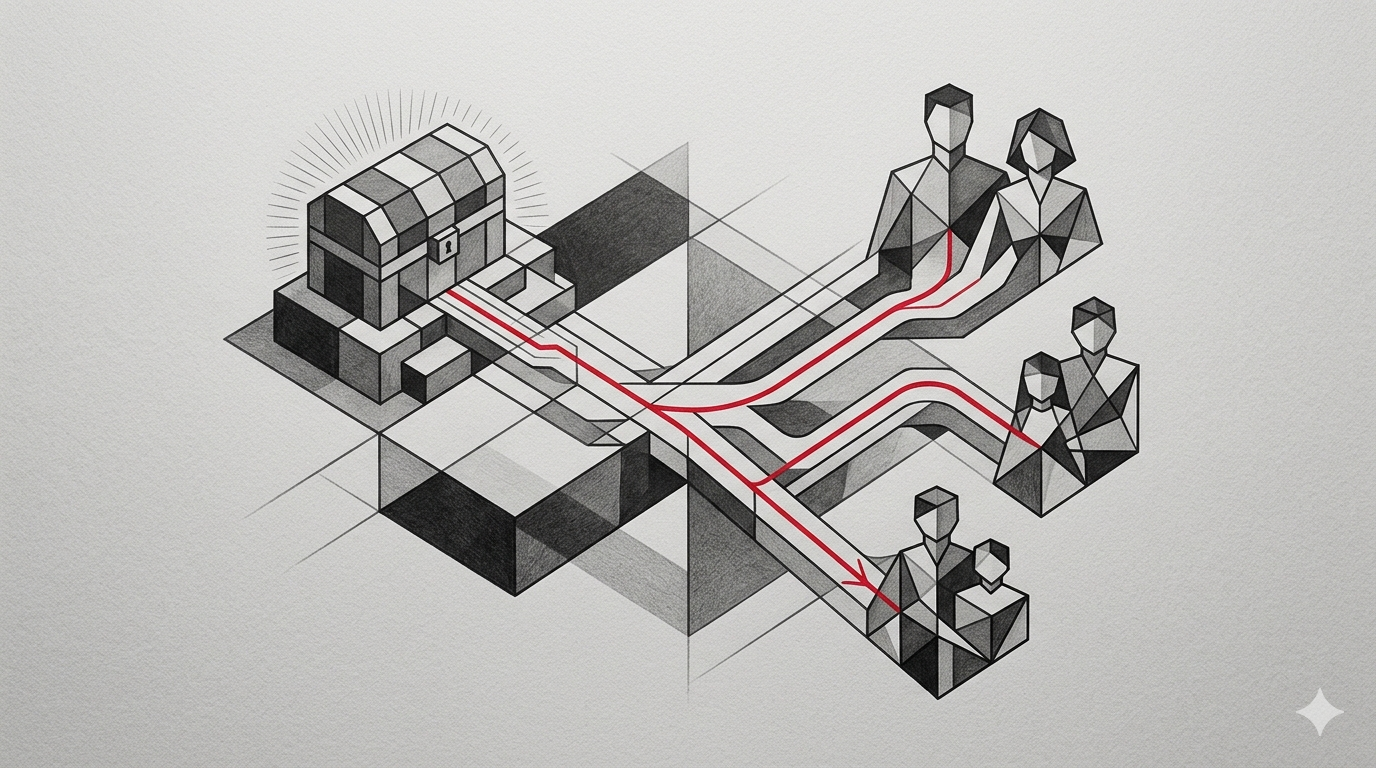
When you open an online brokerage or demat account, the "Nominee" section often feels like a checkbox to be rushed through. However, financial institutions view this data with extreme rigidity. A nominee is the person designated to receive the assets in the event of the account holder's death, acting as a bridge between the firm and the ultimate beneficiaries. If the name on the brokerage record does not perfectly match the name on the nominee’s government-issued ID, the brokerage can be legally obligated to "freeze" the transfer process to prevent fraud.
Common Causes of Nominee Name Discrepancies
Most mismatches aren't the result of intentional deception; they are the byproduct of life changes and clerical haste. Common triggers include:
- Marriage and Name Changes: A spouse is named as a nominee using a maiden name, but their legal ID is later updated to a married name.
- Abbreviated Names: Using "Joe" instead of "Joseph" or "A.J. Smith" instead of "Andrew John Smith."
- Transposition Errors: Swapping first and last names during the digital onboarding process.
- Typographical Errors: A single misplaced letter in a surname that went unnoticed for a decade.
- Outdated Documentation: The nominee’s ID used during the initial setup has expired or been replaced by a different form of identification with slightly different formatting.
The Difference Between a Nominee and a Beneficial Owner
It is a common misconception that a nominee automatically becomes the owner of the stocks. In many jurisdictions, a nominee is legally considered a "trustee" or a custodian. Their role is to receive the assets from the broker and then distribute them to the legal heirs mentioned in a Will.

As noted by The Economic Times, a nominee may be overridden by a legal heir if there is a conflict. Understanding this distinction is vital because a name mismatch gives the brokerage a reason to demand a "Succession Certificate" or "Letter of Administration" from a court. This legal requirement can cost thousands in legal fees and take over a year to resolve, even if the family is in complete agreement about who should get the money.
The Legal Domino Effect of Incorrect Beneficiary Data
When a brokerage detects a nominee mismatch in brokerage accounts, they don't just ask for a quick fix. They trigger a compliance protocol designed to protect the firm from liability. If the person claiming the assets cannot prove they are the person named on the account, the brokerage may treat the account as "intestate" (having no valid beneficiary instructions).
Why KYC Discrepancies Trigger Lengthy Probate Requirements
Know Your Customer (KYC) laws have tightened globally. If a nominee’s name is "Robert Smith" on the brokerage portal but "Robert P. Smith" on the death certificate and the claimant's ID, the system flags a discrepancy. To clear this, the broker often requires a court-validated document to prove the two names refer to the same person. This moves the case from a simple administrative transfer into the realm of probate court.
This is why planning your digital estate in under 30 minutes is so critical; it allows you to spot these technical hurdles while you are still able to sign the necessary correction forms.
RUFADAA and Your Digital Right to Seamless Transitions
The Revised Uniform Fiduciary Access to Digital Assets Act (RUFADAA) has been adopted by the majority of U.S. states to give fiduciaries legal authority over digital accounts. However, RUFADAA primarily deals with *access* to the account data, not necessarily the *ownership* of the underlying financial assets.
While RUFADAA helps your executor get into your email to find your brokerage statements, the brokerage firm’s own "Terms of Service" and "Transfer on Death" (TOD) rules usually take precedence regarding the money itself. If the nominee data is wrong, even a RUFADAA-authorized executor may face an uphill battle. This highlights why what we leave behind online matters more than we think; the digital record is the "truth" the bank relies upon.
Scenario: A Retiree with an Outdated Demat Account
Consider the case of a retired engineer who opened a trading account in 2005. At the time, the account holder named a daughter as the nominee using her maiden name. Twenty years later, the daughter has married and changed her legal surname.
When the account holder passes away, the daughter approaches the brokerage with her current ID and the death certificate. The brokerage refuses the transfer because the names do not match. She is told she must obtain a "Succession Certificate" from the high court. Because the account holder lived in a different state than the daughter, the legal process involves hiring out-of-state counsel, publishing notices in local newspapers, and waiting for a court date. What should have been a 14-day transfer turns into a 14-month legal process, all because of a name that wasn't updated after a wedding. This type of life insurance claim delay due to incorrect nominee details is a common parallel in the financial services industry.
Step-by-Step: Correcting Your Online Brokerage Nominee Details
Correcting a nominee name error is significantly easier while the account holder is alive. Once the holder passes away, the "correction" usually requires a court order. Follow these steps to audit and fix your records today.
- Log in to your Profile/Settings: Navigate to the "Nominee" or "Beneficiary" section of your online portal.
- Request a "Nominee Summary": Some platforms don't show the full details on the dashboard; you may need to download a specific PDF summary or account opening form.
- Compare with Primary ID: Place the nominee's current, valid government ID next to the screen. Check for every single character, including middle initials and suffixes (Jr., Sr., III).
- Check the Percentage: Many accounts allow multiple nominees. Ensure the "Share %" adds up to exactly 100%. A math error here can also freeze the account.
- Verify Contact Info: Ensure the nominee's email and phone number are current, as many brokers now use 2FA or digital "consent links" during the transfer process.
- Submit e-Sign Correction: Use the platform's modification tool to update the name and upload the supporting ID.
Practical Audit Checklist for Brokerage Nominees
| Audit Point | Action Required | Verification Source |
|---|---|---|
| Name Match | Ensure name matches ID character-for-character | Passport or Driver's License |
| Relationship | Verify relationship status is accurate (e.g., Spouse, Child) | Birth or Marriage Certificate |
| Allocation % | Confirm total nominee shares equal 100% | Brokerage Dashboard |
| Contact Data | Update email and mobile for 2FA claim alerts | Nominee's current devices |
| ID Expiry | Check if the ID on file has expired | Government Database/Physical ID |
Comparison: Online vs. Physical Correction
| Feature | Online Update (e-Sign) | Physical Form (Courier) |
|---|---|---|
| Speed | 24–72 Hours | 7–15 Business Days |
| Reliability | High (Instant validation) | Medium (Risk of mail loss) |
| Requirements | Active Mobile/Email of Nominee | Wet-ink signatures |
| Cost | Usually Free | Courier/Notary fees |
Beyond the Name: Advanced Succession Strategies
Fixing a name is a great first step, but a robust estate plan looks at the broader picture. If you have a significant portfolio, relying solely on a nominee can be risky. It is vital to manage family plan access before death to avoid total loss.
The Role of Multi-Sig and Joint Ownership in Brokerage Access
For high-value accounts, some investors use "Multi-Signature" or joint-tenant structures with "Rights of Survivorship." This allows the surviving owner to take full control without the "Nominee" process at all. Additionally, creating a Digital Will ensures that your heirs know exactly which brokerages you use. One of the top mistakes to avoid when writing a digital will is failing to list the specific account numbers and the corresponding nominee for each.
Coordinating Your Brokerage Nominee with Your Last Will
To avoid a "nominee vs. legal heir" dispute, your Last Will and Testament should explicitly mention your brokerage accounts. It should state: *"I have named [Name] as the nominee for Brokerage Account [Number], and it is my intent that they receive these assets as the absolute beneficiary."* This alignment prevents disgruntled relatives from claiming the nominee was only a temporary trustee. As noted by [FINRA](https://finra.org/investors/insights/plan-ahead-transfer-your-brokerage-account-assets-death), keeping these designations current is a fundamental part of financial health.
Original Practical Insight: The "Penny Test" for Nominees
A non-obvious but highly effective way to ensure your succession plan works is the "Penny Test." While you cannot send a penny to a nominee through a brokerage, you can perform a "Simulated Claim."
Contact your brokerage's support via their official chat or email and ask: *"If I were to pass away today, what specific ID does my nominee [Full Name] need to present to match the record on file?"* Often, the support agent will reveal that the system has a slightly different name format than what you see on your user dashboard. This proactive inquiry uncovers "back-end" mismatches that a standard audit might miss.
Caveats and Limits
- Jurisdiction Matters: In some countries, the nominee *is* the absolute owner. In others, they are just a trustee. Always check local inheritance laws.
- Platform Policies: Some online-only brokers have very limited customer service. If there is a mismatch, you may be stuck dealing with an automated bot that cannot process complex name corrections.
- Tax Implications: Correcting a nominee doesn't trigger taxes, but the eventual transfer of assets might. Ensure your nominee is aware of potential "Inheritance Tax" or "Capital Gains" liabilities.
- Joint Accounts: If an account is "Jointly Held," the nominee only comes into play after *both* holders have passed away.
- Global Standards: International investors should note that IOSCO standards influence how brokers handle client asset protection and transfers.
FAQ: Nominee Mismatch in Brokerage Accounts
- What happens if my nominee's name is spelled wrong in my brokerage account?
The brokerage firm will likely reject the transfer claim after your death. Your heirs will then have to provide additional legal proof, such as an affidavit or a court-issued succession certificate, to prove the nominee's identity.
- Can a legal heir override a nominee in a brokerage account dispute?
Yes, in many jurisdictions, a nominee is a "trustee" for the legal heirs. If your Will names someone else as the beneficiary of the stocks, the legal heir can claim the assets from the nominee through the court system.
- How do I fix a nominee mismatch in an online demat account?
Log in to your broker's portal, navigate to "Add/Modify Nominee," and enter the correct details. You will usually need to e-sign the request using a government-linked digital signature or OTP.
- Why is my brokerage asking for a succession certificate despite having a nominee?
This usually happens when there is a name mismatch, the nominee has predeceased the account holder, or the "nomination" was not properly witnessed or filed in the broker's back-end system.
- Does RUFADAA apply to online stock brokerage accounts?
Yes, RUFADAA allows your executor to access the *records* and *communications* of your brokerage account, but the actual transfer of funds is governed by the broker’s Transfer on Death (TOD) agreement and state financial laws.
- Will a name mismatch lead to my brokerage account being frozen?
It won't be frozen while you are alive and active, but it will be effectively frozen when a claim is made. The broker will refuse to move the shares or cash until the legal identity of the claimant is resolved to their satisfaction.
Conclusion: Act Before the System Locks You Out
A single typo in a brokerage account is a significant risk for your estate plan. As of April 2026, the shift toward automated, AI-driven compliance means that human "common sense" is rarely used to overlook small spelling errors. If the data doesn't match, the transfer stops.
The risk of legal delays and the loss of asset value during a market downturn while an account is frozen is too high to ignore. Take 15 minutes this week to log in, audit your nominee details, and ensure they match your loved ones' current legal IDs perfectly. By aligning your digital nominees with your physical Will and utilizing tools like Cipherwill to document these details, you ensure that your wealth moves to the next generation without the interference of a probate court. For further guidance, review securing digital assets and online accounts during probate to understand the broader legal landscape.
Last reviewed: April 2026 The information in this guide reflects the current regulatory environment regarding RUFADAA and digital asset succession as of the review date.
About the Author and Reviewer
By Cipherwill Editorial Team, Digital Legacy Research Desk Reviewed by Cipherwill Review Board, Trust & Security Review Team Last reviewed: April 2026 Editorial contributor: Myra Senapati Review contributor: Ishani Debroy
Legal and Accuracy Caution
Legal and Accuracy Caution: The laws governing digital assets, AI likeness, and posthumous privacy are evolving rapidly and vary significantly by jurisdiction. Platform terms of service and corporate policies are subject to change without notice. This guide provides general information and should not be construed as specific legal or financial advice. Always consult with a qualified professional in your specific region regarding digital estate planning.