The average individual now maintains over 100 digital accounts, yet approximately 90% of traditional estate plans fail to include specific instructions for these virtual assets. For many families, this oversight results in a "digital black hole" where sentimental photos, financial balances, and even household utility controls vanish behind encrypted lock screens. This guide provides a comprehensive framework to secure your virtual legacy, prevent the permanent loss of data, and ensure that heirs are not legally or technically barred from accessing your life’s work.
By Cipherwill Editorial Team, Digital Legacy Research Desk Reviewed by Cipherwill Review Board, Trust & Security Review Team Last reviewed: April 2026 Editorial contributor: Iraan Qureshi Review contributor: Reyansh Mehta
Legal and Accuracy Caution: The laws governing digital assets, AI likeness, and posthumous privacy are evolving rapidly and vary significantly by jurisdiction. Platform terms of service and corporate policies are subject to change without notice. This guide provides general information and should not be construed as specific legal or financial advice. Always consult with a qualified professional in your specific region regarding digital estate planning.
The Hidden Crisis of the Digital Black Hole
When a person passes away in April 2026, they leave behind a complex trail of data stored in the cloud, on social media, and within smart devices. If these assets are not addressed in a formal legal document, they may enter a state of "digital limbo." In this scenario, the data exists on a server, but no living person possesses the legal or technical authority to access it.
Why Traditional Executors Face Technical Barriers
Most traditional executors are equipped to handle physical real estate and bank accounts. However, they frequently encounter obstacles with digital property. Without explicit authorization in a will, technology companies may refuse to grant access to an executor, often citing privacy regulations such as the Electronic Communications Privacy Act (ECPA).
Even when presented with a death certificate, major platforms may deny access because their Terms of Service (TOS) agreements frequently stipulate that accounts are non-transferable. This legal friction means that even if a decedent intended for a spouse to inherit their photo library, the platform’s contract might technically prohibit the transfer of account ownership.

The Financial Impact of Orphaned Subscriptions
"Ghost subscriptions" represent a growing financial drain on modern estates. These are recurring monthly charges for streaming services, professional software, and cloud storage that continue to debit a bank account long after the owner has passed. If an executor cannot log in to cancel these services, the estate can lose significant funds while waiting for the probate process to close the associated bank accounts.
Beyond recurring costs, there is the risk of losing high-value professional data. For a creative professional, losing access to a cloud-based portfolio could terminate their professional legacy. For a family, losing access to a primary cloud storage account could result in the permanent deletion of decades of memories due to platform-specific account inactivity policies.
Identifying Your High-Value Digital Inventory
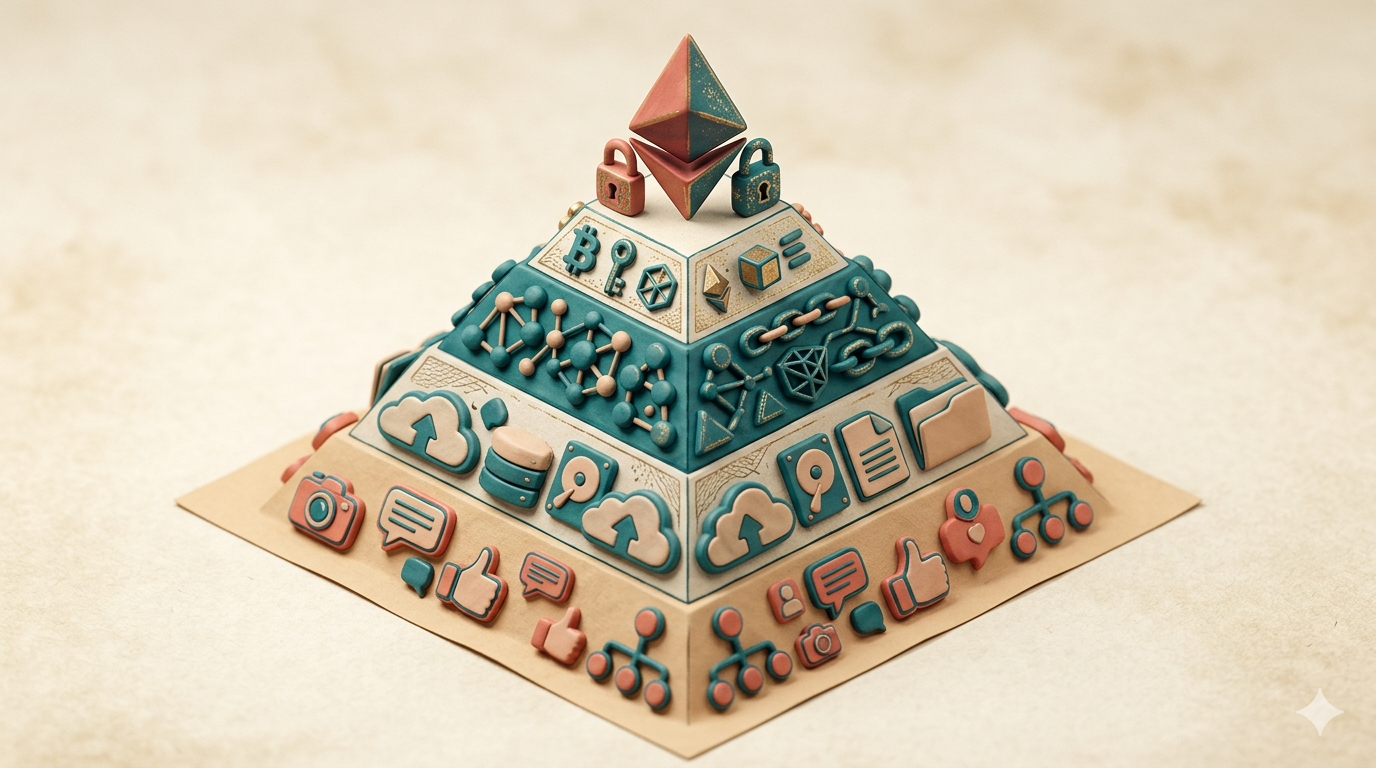
To protect your assets, you must first categorize what you own. Digital assets generally fall into four categories: personal, financial, social, and professional. You can plan for digital asset planning by creating a comprehensive inventory that covers everything from primary email accounts to smart home hubs.
Categorizing Virtual Wealth
- Financial Assets: This includes cryptocurrency wallets, digital payment balances, online brokerage accounts, and betting platforms.
- Sentimental Assets: Photos on cloud drives, videos on hosting sites, and personal correspondence.
- Intellectual Property: Domain names, monetized blogs, and unpublished manuscripts stored in cloud documents.
- Social Media: Profiles on professional and social networks which may hold significant personal or brand value.
The Value of Creative Portfolios
Many individuals overlook professional software accounts. If you are a designer or creator, accounts like Adobe Creative Cloud or Canva hold the source files for your life’s work. These are repositories of intellectual property. Inheriting these subscriptions can be complex because licenses are often tied to an individual, though the content created within them is usually part of the estate. Ensuring heirs have the credentials and legal right to download this content is a vital part of protecting digital assets in a will.
Appointing a Digital Executor
A traditional executor may be skilled in physical asset liquidation but may struggle with Two-Factor Authentication (2FA) prompts or hardware security keys. This is why estate planners often recommend appointing a "Digital Executor" or a tech-savvy co-executor.
Essential Duties of a Digital Fiduciary
A digital executor is typically responsible for:
- Accessing and archiving digital media.
- Closing or memorializing social media profiles.
- Managing or transferring cryptocurrency and digital wallets.
- Ensuring "ghost subscriptions" are cancelled to preserve estate liquidity.
- Wiping personal data from hardware before it is sold or donated.
Legal Hurdles: Terms of Service vs. Inheritance Law
The primary challenge a digital executor faces is the conflict between platform policies and state law. In the United States, the Revised Uniform Fiduciary Access to Digital Assets Act (RUFADAA) provides a legal framework for this. It allows executors to access digital assets if the deceased gave explicit consent in their will.
However, as noted by the Financial Planning Association, platform-specific tools (such as legacy contact features) often override instructions in a will. This necessitates setting up these platform tools in addition to drafting a formal will.
Securing the Smart Home and IoT Ecosystem
A modern risk in estate planning is the "smart home lockout." If the individual who manages the household's smart ecosystem passes away, surviving family members may find themselves unable to adjust climate controls, unlock doors, or view security footage.
Transferring Admin Rights
Most smart home devices are tied to a single "Master Admin" email address. If that email account is inaccessible, the devices become difficult to manage. You should document which email serves as the "hub" for these devices and ensure your digital executor knows how to transfer administrative rights to a survivor.
Preventing Family Lockout
Smart locks are particularly sensitive if the primary user is the only one with "Owner" status. If the system glitches, the family could be physically locked out of their residence. It is a practical necessity to maintain a physical backup key in a known location and to share "Admin" status with a spouse or adult child.
Step-by-Step Security for Digital Inheritance
Writing passwords directly into a physical will is a security risk, as wills often become public record after probate. Instead, use a secure method to bridge the gap between legal instructions and technical data.
The Role of Zero-Knowledge Encryption
The most secure way to pass on access is through a service that utilizes Zero-Knowledge encryption. This ensures that only you and your designated heirs can ever view the data. By using a digital vault, you can store recovery keys and instructions that are only released once your death is verified. You can learn how digital wills can secure your online assets after death to understand this hybrid approach.
Why Plain Text Passwords are a Risk
Storing passwords on a physical list in a desk drawer can lead to identity theft if discovered by unauthorized parties. Furthermore, passwords change frequently; a static list in a will is likely to be outdated by the time it is needed.
Scenario: The Household Administrator and the Smart Home
Consider an anonymized scenario involving a "Household Administrator" who manages all digital billing and the smart home ecosystem. This individual uses a single email for the thermostat, security cameras, and the auto-pay for utility bills.
If this individual passes away without a digital estate plan:
- The Lockout: The surviving partner cannot adjust the home temperature or view security feeds because they lack the "Master Admin" login.
- The Data Loss: Two-factor authentication (2FA) codes are sent to the deceased's locked smartphone, preventing the partner from logging into utility websites to change billing details.
- The Financial Drain: Subscriptions for software the partner does not use continue to bill the joint account for months.
By including these assets in a digital plan, the administrator could have designated the partner as a co-admin and provided recovery keys for the primary email account in a secure vault.
Practical How-To: 5 Steps to Execute Now
- Inventory Your Assets: List your hardware, social media, creative accounts, and financial logins. Use a checklist for a digital will to organize this process.
- Set Up Platform Legacy Tools: Utilize "Inactive Account Manager" settings on major search engines and appoint "Legacy Contacts" on social media platforms.
- Appoint a Digital Executor: Formally name a tech-literate individual in your will to handle digital assets.
- Secure Your Recovery Keys: For encrypted drives or cryptocurrency, you must safely store recovery keys for your digital assets.
- Provide Legal Consent: Include a clause in your will that explicitly grants your executor permission to access your digital accounts under RUFADAA or relevant local statutes.
Comparison: Methods of Passing Digital Access
| Method | Security Level | Ease of Update | Legal Standing |
|---|---|---|---|
| Passwords in Physical Will | Very Low (Public Record) | Difficult | Weak (TOS Conflicts) |
| Paper List in Home Safe | Medium | Difficult | None |
| Platform-Specific Tools | High | Easy | Strong (Platform Level) |
| Encrypted Digital Vault | Very High | Very Easy | Strong (When Linked to Will) |
Caveats and Limits
Digital estate planning is an ongoing process rather than a one-time task.
- Platform Variability: Every company maintains different rules. Procedures for one cloud provider may not apply to another.
- Jurisdiction: Laws vary significantly by country. While RUFADAA is common in the US, other regions may have stricter privacy laws that prevent heirs from accessing data.
- Encryption: If you use high-level encryption and lose the recovery key, legal paperwork cannot bypass the mathematical barriers of the encryption.
Original Practical Insight: The "Legacy Admin Email" Strategy
A vital but often overlooked strategy is the creation of a "Legacy Admin Email." Instead of tying your smart home, subscriptions, and utilities to your personal, private email account, tie them to a dedicated household email address.
By providing a spouse or digital executor with administrative access to this specific account, they can manage the household and finances without needing to access your private correspondence. This preserves your privacy while ensuring their functional security.
FAQ
- What happens to my social media accounts when I die?
Most platforms allow accounts to be memorialized or deleted. If no option is selected, the account may remain active but inaccessible until the family provides legal proof of death.
- Can I leave my streaming subscriptions to my children?
Technically, most subscriptions are non-transferable licenses. While heirs may continue using a logged-in device, they cannot legally inherit account ownership.
- How do I ensure my family can access photos on a locked phone?
Modern smartphones are highly encrypted. You should use features like Apple's "Legacy Contact" or share your passcode with a trusted person.
- What is a digital executor?
A digital executor is a person named in a will to manage an online presence and data, specifically handling assets like cryptocurrency or cloud storage.
- How do I include cryptocurrency in a traditional will?
Do not include private keys in the will itself. Instead, mention the existence of the assets and point the executor to a secure "Letter of Instruction" or digital vault.
- What happens to my smart home devices if I am the only admin?
Family members may be locked out of controlling the home. To prevent this, add a second "Admin" to your smart home applications today.
- How can I prevent identity theft of a deceased family member?
A digital executor should close social media accounts and notify credit bureaus of the death to prevent "ghosting" or fraudulent account creation.
Conclusion
The failure to include digital assets in an estate plan is a significant modern risk that can lead to permanent data loss and financial leakage. From orphaned subscriptions to locked smart homes, the "digital black hole" poses a real threat to a family's stability. According to recent legal analysis, failing to account for these assets can complicate probate for months your-advocates.org.
By appointing a digital executor, utilizing platform-specific legacy tools, and securing recovery keys in an encrypted vault, you can ensure your virtual life is preserved. Start by auditing your digital inventory today; your legacy is too important to be left behind an inaccessible password.
Freshness Note: This guide was last reviewed and updated in April 2026 to reflect the latest changes in digital asset laws and platform inheritance policies.
About the Author and Reviewer
By Cipherwill Editorial Team, Digital Legacy Research Desk Reviewed by Cipherwill Review Board, Trust & Security Review Team Last reviewed: April 2026 Editorial contributor: Iraan Qureshi Review contributor: Reyansh Mehta
Legal and Accuracy Caution
Legal and Accuracy Caution: The laws governing digital assets, AI likeness, and posthumous privacy are evolving rapidly and vary significantly by jurisdiction. Platform terms of service and corporate policies are subject to change without notice. This guide provides general information and should not be construed as specific legal or financial advice. Always consult with a qualified professional in your specific region regarding digital estate planning.