Managing an estate that spans multiple countries often results in permanent account lockouts and the loss of valuable intellectual property because global inheritance standards remain fragmented. As of April 2026, the legal landscape for international estates continues to be complex, particularly since the U.S. Department of the Treasury established its 2022 framework for international engagement on digital assets without creating a unified global inheritance standard. This cross border digital succession guide solves these complexities by providing a structured approach to managing global digital assets, ensuring that heirs can navigate conflicting jurisdictional laws and platform-specific policies.
By Cipherwill Editorial Team, Digital Legacy Research Desk Reviewed by Cipherwill Review Board, Trust & Security Review Team Last reviewed: April 2026 Editorial contributor: Myra Senapati Review contributor: Ishani Debroy
Legal and Accuracy Caution: The laws governing digital assets, AI likeness, and posthumous privacy are evolving rapidly and vary significantly by jurisdiction. Platform terms of service and corporate policies are subject to change without notice. This guide provides general information and should not be construed as specific legal or financial advice. Always consult with a qualified professional in your specific region regarding digital estate planning.
Cross Border Digital Succession Guide
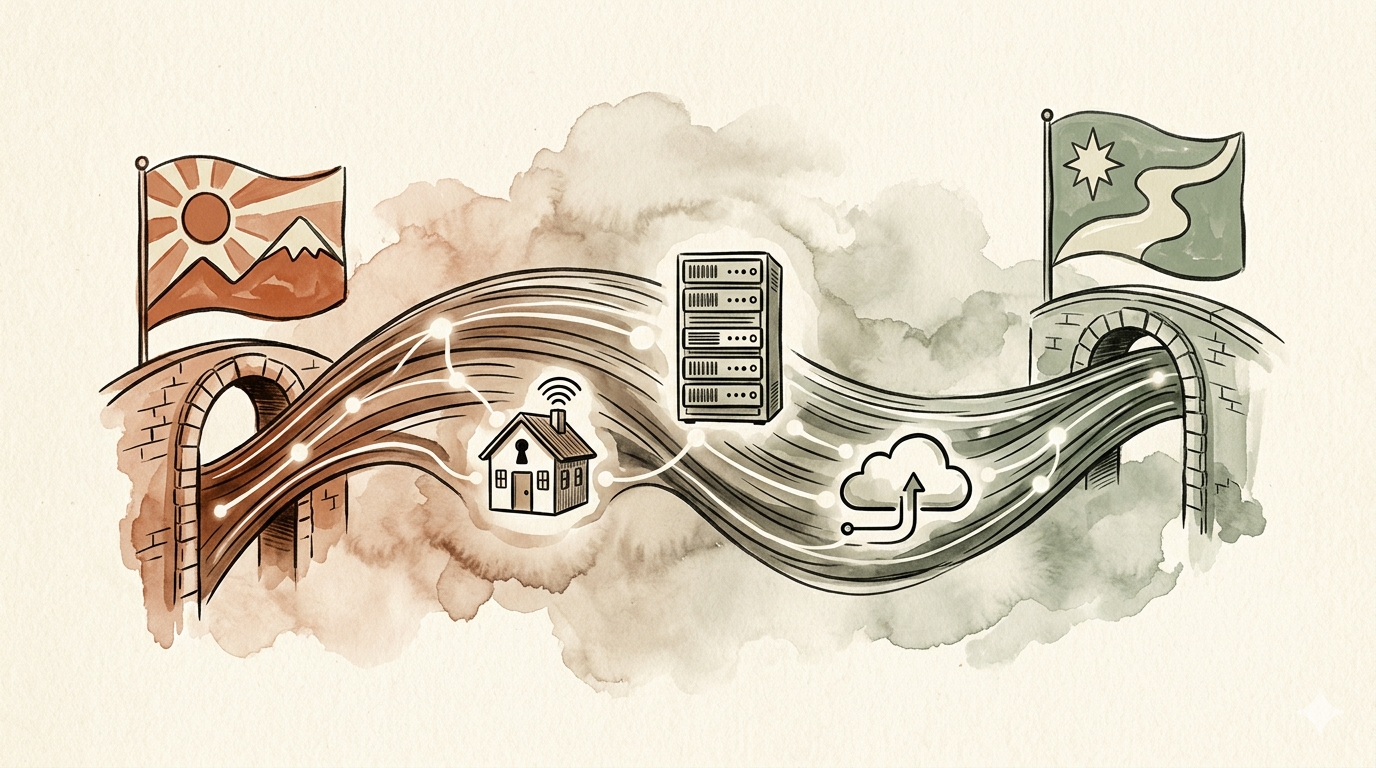
The Global Jurisdictional Trap: Why Borders Still Matter Online
While the internet feels borderless, the laws governing who owns your data are strictly tied to geography. When a person dies holding assets in multiple countries, their heirs can run into a jurisdictional trap. A digital account created in the United States may be subject to different privacy laws than one created in the European Union, even if the user lived in both places.
Understanding Digital Asset Inheritance Laws Across Continents
Digital asset inheritance laws are not unified. In the United States, the Revised Uniform Fiduciary Access to Digital Assets Act (RUFADAA) provides a framework for executors to access accounts. However, in Europe, the European Union’s Succession Regulation focuses on the "habitual residence" of the deceased, which can lead to conflicts if the digital service provider is based in a different country, such as Ireland or the United States.
These laws determine whether your family is viewed as a "rightful owner" or an "unauthorized hacker." Without a clear legal link, platforms may refuse to provide access to avoid violating privacy statutes like the GDPR in Europe or the Electronic Communications Privacy Act (ECPA) in the U.S.
RULONA and the Rise of Remote Electronic Notarization
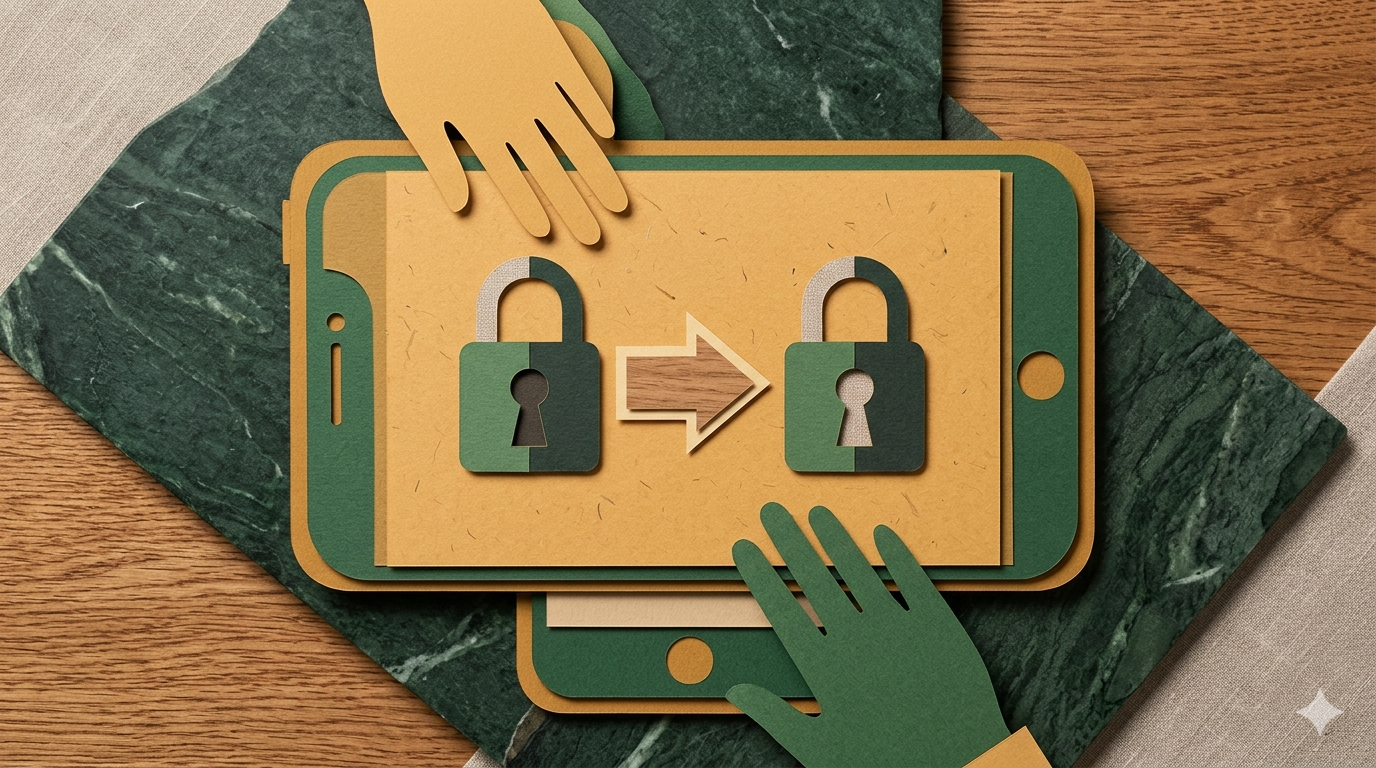
One of the biggest hurdles in international succession is getting legal documents recognized across borders. The Revised Uniform Law on Notarial Acts (RULONA) has paved the way for Remote Online Notarization (RON) in many U.S. states. This allows a person living abroad to notarize their digital will or power of attorney electronically.
RULONA ensures that an electronic signature carries the same weight as a physical one, which is vital for a cross border digital succession guide. However, you must verify if the country where the assets are located recognizes RON. While the U.S. is moving toward digital-first notarization, some civil law jurisdictions still require a physical "apostille" to validate foreign documents.
Hardware and Infrastructure: Transferring the Physical-Digital Hybrid
Modern estates are no longer just paper and gold; they are made of "smart" hardware. From thermostats to security cameras, these devices are tied to personal accounts. If the account owner passes away, the physical house might become unmanageable.
How to Transfer Smart Home Ownership Without a Factory Reset
A common mistake is assuming that heirs can simply "take over" a smart home. Most systems are designed for a single primary administrator. If that administrator is gone, the standard advice from tech support is often a factory reset.
A factory reset can be a disaster for digital succession. It wipes out customized settings, energy-saving schedules, and, most importantly, historical data like security footage or family photos stored on local hubs. To avoid costly lockouts and manage assets, you may need to set up "Family Sharing" or "Co-Admin" roles while you are still alive. This ensures that the secondary user has full administrative rights to change billing and ownership without triggering a data wipe.
Securing IoT Locks and Security Cameras for the Next Generation
IoT (Internet of Things) devices present a physical safety risk. If a primary account holder dies and the account is locked, the heirs might find themselves unable to change the digital codes on their own front door.
For international properties-such as a vacation home in Spain or a rental in Thailand-this becomes even more complex. You must ensure that the local property manager or a trusted family member has "emergency access" credentials. Relying on a single password is dangerous; this is why password managers aren't enough for digital legacy planning. If the password manager requires a 2FA code sent to a phone that is also locked, the entire system fails.
Intellectual Property and Code: The Developer’s Legacy
For software engineers, researchers, and creators, their most valuable assets are often stored in repositories or generated by AI. These assets have both financial and sentimental value, but they are governed by complex Terms of Service (ToS).
GitHub Repository Succession: Protecting Open Source Contributions
GitHub is the heart of the modern developer's legacy. If a developer dies without a plan, their private repositories may become inaccessible, and their contributions to open-source projects may stall.
To manage GitHub repository succession planning, GitHub allows users to appoint a "Successor." This person can manage public repositories, transfer them to a new owner, and archive projects. This is a critical step for anyone with a significant digital footprint in the tech industry. Without this, your code-which could represent years of work-might be deleted after a period of inactivity.
Managing Posthumous AI Likeness and Digital Voice Rights
A new frontier in digital estate planning for IoT and creative assets is the management of AI likeness. With the rise of deepfakes and AI voice cloning, people are now concerned about how their "digital ghost" will be used after they die.
Posthumous AI likeness management involves legal instructions on whether your voice or image can be used to train new AI models. This is particularly relevant for influencers, actors, and public figures. In many jurisdictions, "publicity rights" can end at death, meaning companies could theoretically use your likeness without permission unless you explicitly transfer those rights to a trust or a specific heir.
Scenario: A Software Architect with Assets in Three Countries
Consider an anonymized case of a software architect who was born in India, worked in the United States, and owned a rental property in Germany.
- The Conflict: Their primary email and GitHub were registered in the U.S., their bank accounts were in India, and their smart home system was in Germany.
- The Problem: When they passed away in early 2026, the German property manager couldn't access the IoT locks because the 2FA was tied to a U.S. phone number. The Indian bank required a physical death certificate notarized by an embassy, but the U.S. executor only had a digital copy.
- The Result: The German tenants were locked out of the house for three days, and the GitHub repositories-containing proprietary code for a startup-were frozen, causing the startup to lose a funding round.
This scenario illustrates why a cross border digital succession guide must address the intersection of physical hardware, digital accounts, and international law.
The Financial Reality of Digital Estates
Digital assets are not just files; they often represent significant monetary value. From cryptocurrency to high-value gaming accounts, the IRS and other tax authorities are increasingly looking at digital estates as a source of revenue.
Digital Asset Valuation for Estate Tax: IRS Compliance Secrets
The IRS treats digital assets as property. This means they must be valued at their "fair market value" on the date of death. Digital asset valuation for estate tax can be incredibly difficult for non-liquid assets like NFTs or niche cryptocurrencies.
If you fail to accurately value these assets, your heirs could face penalties or be forced to sell the assets just to pay the tax bill. A living trust explained can often help mitigate some of these issues by moving ownership out of your individual name, but the valuation requirement remains.
EULAs and the Battle for High-Value Gaming Skins
Many people do not realize that they do not actually "own" their digital library or in-game items. Most End User License Agreements (EULAs) state that you have a "non-transferable license" to use the software.
When a gamer dies with an account worth thousands of dollars in "skins" or rare items, the platform may legally be allowed to shut the account down rather than transferring it to an heir. Preventing tech lockouts after death in the gaming world requires "legacy" planning that often works around the EULA, such as sharing account credentials within a family unit before death occurs.
Step-by-Step: How to Prevent a Global Tech Lockout
Follow these five steps to ensure your international digital legacy is secure:
- Map Your Digital Footprint: List every account that has financial value, sentimental value, or controls physical hardware across all countries.
- Appoint Platform-Specific Successors: Use built-in tools like GitHub Successors, Google Inactive Account Manager, and Apple Legacy Contacts.
- Coordinate 2FA Access: Ensure your heirs can access your physical SIM card or authenticator app. Without this, even with a password, they will be locked out.
- Draft a Digital Codicil: Create a document that specifically mentions your digital assets and how they should be handled. Ensure this is notarized using RULONA-compliant remote notarization if you are living abroad.
- Review International Tax Treaties: Consult with a professional to see if your digital assets will be subject to double taxation between your country of residence and the country where the platform is based.
Comparison: Digital Wills vs. Traditional Wills for Cross-Border Assets
| Feature | Traditional Will | Digital Succession Plan |
|---|---|---|
| Primary Focus | Real estate, cash, physical items. | Passwords, IoT, Code, AI Rights. |
| Cross-Border Ease | Difficult; requires probate in each country. | Easier if platform-specific tools are used. |
| Speed of Access | Months to years (Probate). | Minutes to days (Legacy Contacts). |
| Security | Public record after probate. | Private and encrypted. |
| Cost | High legal fees. | Low to moderate (Platform tools + simple ways to finish your digital will fast). |
Caveats and Limits
It is important to understand that no digital succession plan is 100% foolproof.
- Platform Discretion: Even with a legal will, a tech company may refuse access based on their own internal Terms of Service.
- Changing Laws: The legal landscape for AI likeness and crypto is changing frequently as of April 2026.
- Encryption Barriers: If data is end-to-end encrypted and you haven't shared the key, no court order in the world can recover that data.
Original Practical Insight: The "Legacy SIM" Strategy
One non-obvious recommendation for international families is the "Legacy SIM" strategy. Most 2FA (Two-Factor Authentication) is tied to a phone number. When someone dies, their phone plan is often canceled, and the number is eventually reassigned. Once that number is gone, accessing accounts becomes nearly impossible.
The Insight: Instead of a personal number, move your primary 2FA to a low-cost, prepaid global SIM or a VoIP service that can be managed by multiple family members. This prevents the "phone lockout" which is a primary cause of digital estate failure in cross-border cases.
Cross-Border Digital Asset Checklist
| Asset Category | Key Action Item | International Consideration |
|---|---|---|
| Cloud Storage | Set up Legacy Contact (Apple/Google) | Data may be stored in a different jurisdiction than your residence. |
| Cryptocurrency | Secure seed phrases in a multi-sig wallet | Tax treaties vary; cross-border estates may trigger double taxation. |
| Smart Home | Assign a secondary administrator | Physical access to the property may be required for hardware resets. |
| Social Media | Choose memorialization vs. deletion | Privacy laws like GDPR may restrict heir access to private messages. |
| Domain Names | Set to auto-renew with a backup card | ICANN regulations apply globally, but registrar policies vary. |
FAQ
- How do I transfer smart home ownership without a factory reset?
You must add your heir as a "Co-Owner" or "Administrator" within the specific app (e.g., Google Home, Amazon Alexa, or Apple HomeKit) while you are still alive. This allows them to remove your account and take full control without wiping the device's memory.
- Can I legally inherit a GitHub repository?
Yes, but it is much easier if you are named as a "Successor" in the GitHub account settings. Without this, your heirs may need to provide a court order and proof of death to GitHub’s legal department, which can take months.
- What is RULONA and why does it matter for my digital will?
RULONA (Revised Uniform Law on Notarial Acts) allows for remote electronic notarization. This is vital for international residents because it allows you to legally sign and notarize estate documents from anywhere in the world, making them more likely to be accepted by global tech platforms.
- How does the IRS value non-liquid digital tokens for estate tax?
The IRS generally uses the "Fair Market Value" on the date of death. For non-liquid assets like NFTs, this may involve looking at the last sold price of similar items or hiring a specialized digital appraiser to avoid overvaluation traps.
- Can heirs claim ownership of an AI-generated likeness?
This depends on the jurisdiction. Some regions are beginning to recognize "post-mortem publicity rights," but in many places, you must explicitly transfer these rights to a trust or individual in your will to prevent the likeness from entering the public domain.
- What happens to cross-border digital assets if I die intestate (without a will)?
If you die without a will, your assets are distributed according to local "intestacy laws." For digital assets, this often means they remain locked forever, as platforms are legally prohibited from giving access to anyone who isn't a court-appointed representative.
Conclusion: Securing Your Global Legacy
The risk of a "tech lockout" is a modern reality that can cost families significant financial loss and years of emotional distress. As we have seen in this cross border digital succession guide, the intersection of international law and tech policy is a minefield. To protect your legacy, you must move beyond simple password lists. You need a strategy that includes platform-specific successors, 2FA redundancy, and a legally sound digital codicil. Start by mapping your most critical international accounts today and appointing legacy contacts. Taking these small steps now will ensure that your digital life remains an asset to your family, rather than a locked burden.
*Freshness Note: This guide was last updated and reviewed in April 2026 to reflect the latest international digital asset frameworks and remote notarization standards.*
About the Author and Reviewer
By Cipherwill Editorial Team, Digital Legacy Research Desk Reviewed by Cipherwill Review Board, Trust & Security Review Team Last reviewed: April 2026 Editorial contributor: Myra Senapati Review contributor: Ishani Debroy
Legal and Accuracy Caution
Legal and Accuracy Caution: The laws governing digital assets, AI likeness, and posthumous privacy are evolving rapidly and vary significantly by jurisdiction. Platform terms of service and corporate policies are subject to change without notice. This guide provides general information and should not be construed as specific legal or financial advice. Always consult with a qualified professional in your specific region regarding digital estate planning.