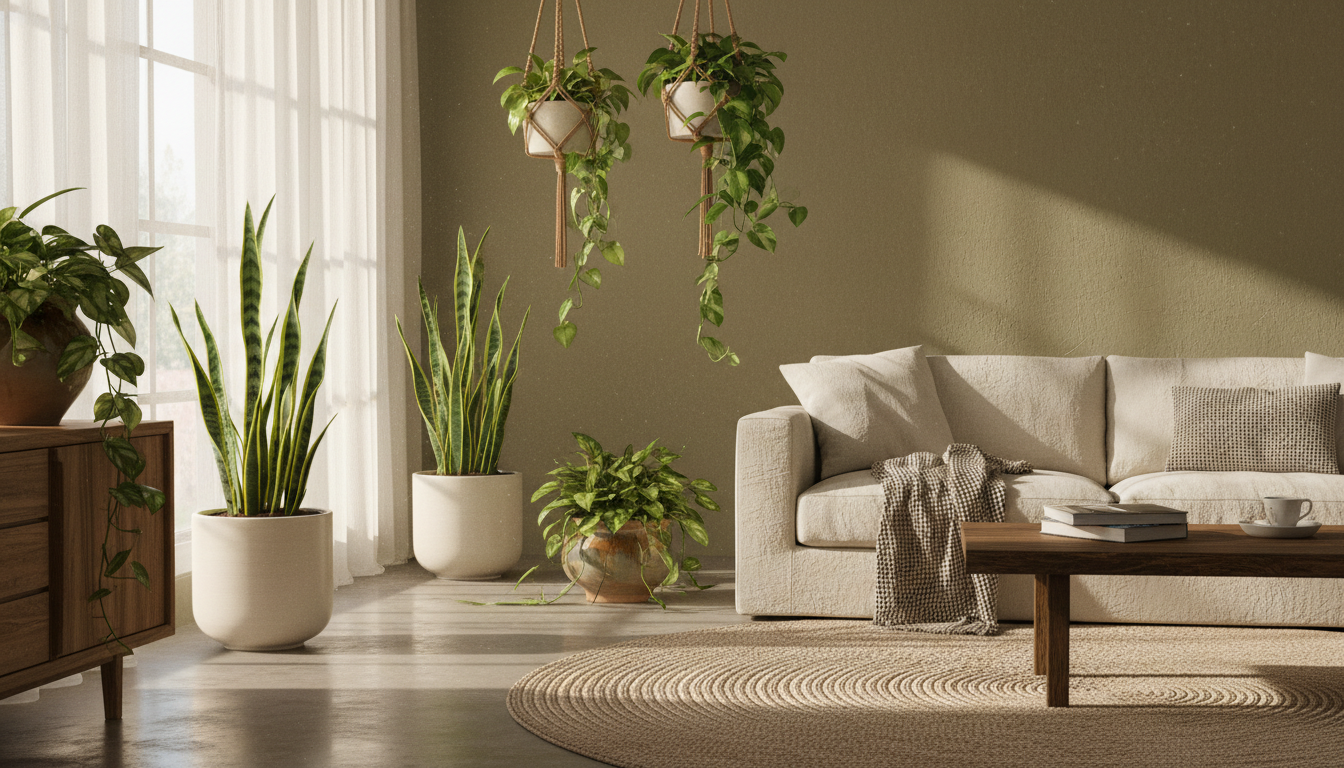
Want to bring a little green into your home without signing up for a complicated care routine? These 10 easy-to-grow houseplants are forgiving, beginner-friendly choices. Some can handle missed waterings, while others grow well in lower light or quickly recover from small mistakes.
The best plant for you depends on your home and your habits. Before buying, look at how much light you have, how often you are home, and whether pets or small children can reach the leaves. A plant that fits your space is much easier to keep healthy than one chosen only for its appearance.
Choose a Plant That Fits Your Routine
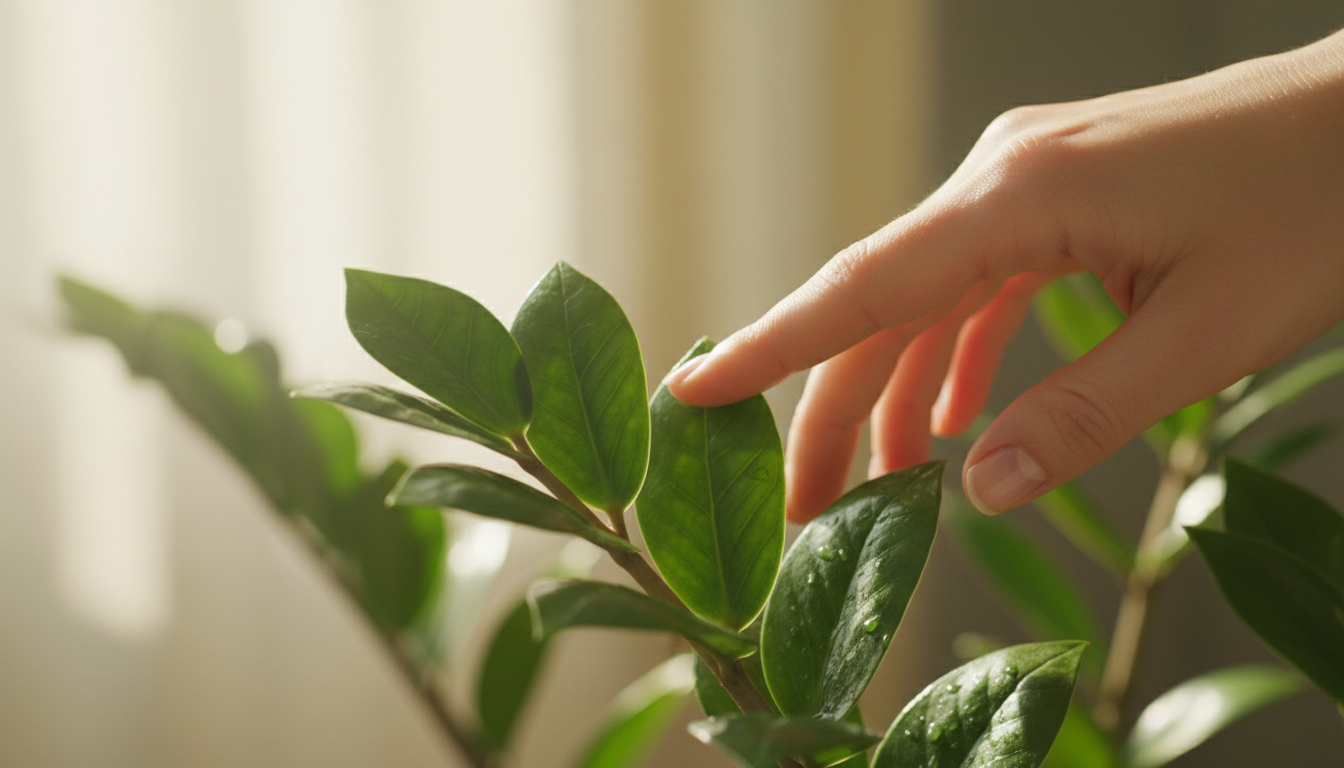
Frequent travelers or people in dim apartments should lean toward ZZ Plants and Snake Plants rather than demanding varieties such as Fiddle Leaf Figs or Calatheas. The lesson is simple: start with a plant that matches your home and your time, not just the one that looks best in a photograph.
10 Easy-to-Grow Houseplants for Complete Beginners
These plants are generally forgiving, but none is completely maintenance-free. Good drainage, suitable light, and checking the soil before watering will take you a long way.
1. Snake Plant (Dracaena trifasciata, formerly Sansevieria trifasciata)
Snake Plants have upright, sturdy leaves and tolerate a wide range of indoor conditions. They do well in low to bright indirect light, although brighter light usually encourages stronger growth. Let the soil dry out completely before watering; this may take two to four weeks, depending on the season and pot size. Too much water is a bigger danger than too little.
2. ZZ Plant (Zamioculcas zamiifolia)
The ZZ Plant is one of the best choices for people who sometimes forget to water. Its thick underground rhizomes store water, and its glossy leaves stay attractive with little attention. Place it in low to bright indirect light and water only after the soil has dried out. A pot that stays wet for too long can cause root or rhizome rot.
3. Golden Pothos (Epipremnum aureum)
Golden Pothos is a fast-growing vine that can trail from a shelf or climb a support. It prefers moderate to bright indirect light, though it can tolerate lower light; its gold coloring may be less noticeable there. Water when the top one to two inches of soil feel dry. Slightly drooping leaves can indicate thirst, but do not wait for severe wilting.
4. Spider Plant (Chlorophytum comosum)
Spider Plants grow quickly and often produce small plantlets, or “pups,” on long stems. You can leave the pups attached or root them in water or soil to make new plants. Give yours bright, indirect light and water when the top inch of soil feels dry. Brown tips can result from dry air, inconsistent watering, salt buildup, or sensitivity to fluoride; filtered or rainwater may help in some homes.
5. Peace Lily (Spathiphyllum)
Peace Lilies have dark green leaves and elegant white flowers. They prefer moderate, indirect light and evenly moist soil. Check the top inch of soil every few days and water when it feels dry, rather than waiting for the plant to collapse. Wilting is a sign that the plant is already stressed, not a care routine to repeat. Make sure excess water can drain away.
6. Cast Iron Plant (Aspidistra elatior)
The Cast Iron Plant is a slow-growing option that handles shade and ordinary indoor conditions well. Its dark, leathery leaves are tough, and it does not need frequent repotting. Let the top inch or two of soil dry before watering, and protect it from harsh direct sun, which can scorch the leaves.
7. Rubber Plant (Ficus elastica)
Rubber Plants make a strong visual statement with thick, glossy green or burgundy leaves. They grow best in bright, indirect light and well-draining soil. Water when the top one to two inches are dry, and rotate the pot occasionally so the plant grows evenly. Wiping the broad leaves with a damp cloth helps remove dust.
8. Chinese Evergreen (Aglaonema)
Chinese Evergreens come in many shades of green, silver, pink, and red. They tolerate low to moderate indirect light, though brighter indirect light helps colorful varieties keep their pattern. Water when the top inch or two of soil dries out, and keep the plant away from cold drafts and heating or air-conditioning vents.
9. Jade Plant (Crassula ovata)
Jade Plants are compact succulents with fleshy leaves and a small, tree-like shape. They need several hours of bright light, ideally near a sunny window. Let the soil dry completely before watering, then soak it thoroughly and allow excess water to drain. If the plant becomes tall and stretched out, it probably needs more light.
10. Monstera deliciosa (Swiss Cheese Plant)
Monstera deliciosa is a forgiving choice if you want a larger, tropical-looking plant. It grows best in bright, indirect light and appreciates a support such as a stake or moss pole as it gets bigger. Water when the top two inches of soil are dry, using a pot with a drainage hole. Give it room to grow, and it can become an impressive centerpiece.
Quick Comparison: Light and Water
The table below includes all 10 plants in this guide. Watering intervals are starting points, not fixed rules. Your plant may need water sooner or later depending on light, temperature, humidity, pot size, and soil.
| Plant | Best light | Typical starting point |
|---|---|---|
| Snake Plant | Low to bright indirect | Every 2–4 weeks; soil fully dry |
| ZZ Plant | Low to bright indirect | Every 3–4 weeks; soil fully dry |
| Golden Pothos | Moderate to bright indirect | Every 1–2 weeks; top 1–2 inches dry |
| Spider Plant | Bright indirect | About weekly; top inch dry |
| Peace Lily | Moderate indirect | Every 5–10 days; top inch dry |
| Cast Iron Plant | Low to moderate indirect | Every 2–3 weeks; top 1–2 inches dry |
| Rubber Plant | Bright indirect | Every 1–2 weeks; top 1–2 inches dry |
| Chinese Evergreen | Low to moderate indirect | Every 1–2 weeks; top 1–2 inches dry |
| Jade Plant | Bright light | Every 2–3 weeks; soil fully dry |
| Monstera deliciosa | Bright indirect | Every 1–2 weeks; top 2 inches dry |
Check for Pet Safety Before You Buy
Several plants on this list are not safe for cats and dogs if chewed. Golden Pothos, Snake Plants, Peace Lilies, Chinese Evergreens, Rubber Plants, Jade Plants, ZZ Plants, and Monsteras can cause problems ranging from mouth irritation and drooling to stomach upset. Keep them out of reach and check each species with the ASPCA's plant database.
Spider Plants and Cast Iron Plants are generally listed as non-toxic to cats and dogs. Boston Ferns are another commonly chosen pet-safe option, but pets can still become ill from eating large amounts of any plant. Ask your veterinarian if you are concerned.
Repotting Without Making Things Harder
Many nursery plants arrive in thin plastic pots with a commercial mix, often made from peat, coco coir, perlite, or a combination of materials. These mixes can work well in a nursery, but they may dry at a different rate in your home. You do not need to repot immediately. Let the plant adjust for a week or two unless the soil is staying soggy, roots are escaping badly, or the pot is damaged.
- Choose a slightly larger pot: Pick one about one to two inches wider than the current pot, with at least one drainage hole.
- Match the pot to the plant: Terracotta is porous and helps drought-tolerant plants such as Snake Plants, ZZ Plants, and Jades dry more quickly. Glazed ceramic and plastic hold moisture longer, which can suit thirstier plants but requires more careful watering.
- Use a suitable mix: Regular indoor potting mix works for many plants. Add perlite or pumice for succulents and other plants that need especially fast drainage. Do not use garden soil indoors.
- Keep the plant at the same depth: Loosen circling roots gently, place the plant in the center, fill around it, and water once. Do not pack the soil tightly or cover the stem.
Common Beginner Mistakes
The most common mistake is watering on a calendar instead of checking the soil. Overwatering does not mean giving a plant too much water at once; it usually means watering too often or leaving the roots in soggy soil. Yellow leaves, a sour smell, and persistently wet soil can be warning signs of trouble.
A Simple Weekly Check
- Feel the soil: Push a finger one to two inches into the soil, or use a wooden skewer to check deeper in a large pot.
- Water thoroughly when needed: Add water until some runs from the drainage hole, then empty the saucer after about 15–30 minutes.
- Look at the leaves: Check for pests, yellowing, crispy edges, or sudden changes.
- Check the light: Rotate the pot occasionally if one side is leaning toward the window.
Frequently Asked Questions
Question: What is the easiest indoor plant to keep alive?
Answer: ZZ Plants and Snake Plants are among the easiest choices because they tolerate low light and long gaps between waterings. They still need a pot with drainage and should not be kept in wet soil.
Question: How often should a beginner water houseplants?
Answer: Check the soil rather than following a strict schedule. Water when the depth recommended for your plant feels dry, then let excess water drain. Snake Plants and ZZ Plants may go two to four weeks between waterings, while Peace Lilies often need water more frequently.
Question: Do indoor plants actually improve residential air quality?
Answer: Early NASA studies found that plants can remove volatile organic compounds (VOCs) in sealed environments. However, modern research suggests you would need a very large number of plants to make a noticeable difference in typical home air quality.
Question: Why are the edges of my Spider Plant turning brown?
Answer: Brown tips can come from dry air, inconsistent watering, fertilizer salts, or sensitivity to fluoride in tap water. Check the soil and watering routine first. If the problem continues, try filtered or rainwater and flush the soil occasionally with clean water.
Question: Should I repot a new plant immediately?
Answer: Usually not. Let it adjust for a week or two unless the soil stays soggy, the pot has no drainage, roots are severely crowded, or the plant is in poor condition. Repotting is less stressful when the plant has had time to settle in.
Question: Which plants on this list are safer for cats and dogs?
Answer: Spider Plants and Cast Iron Plants are generally listed as non-toxic to cats and dogs. Always check the current ASPCA database before buying a plant, and keep pets from eating large quantities of any greenery.
A simple plant-care note on your phone can record the plant's name, light needs, and last watering date. Keeping those details together makes it easier to build a consistent routine and spot changes early.
By Cipherwill Editorial Team
Reviewed by the Cipherwill Review Board
Editorial contributor: Vedant Kulshreshtha
Review contributor: Ishani Debroy